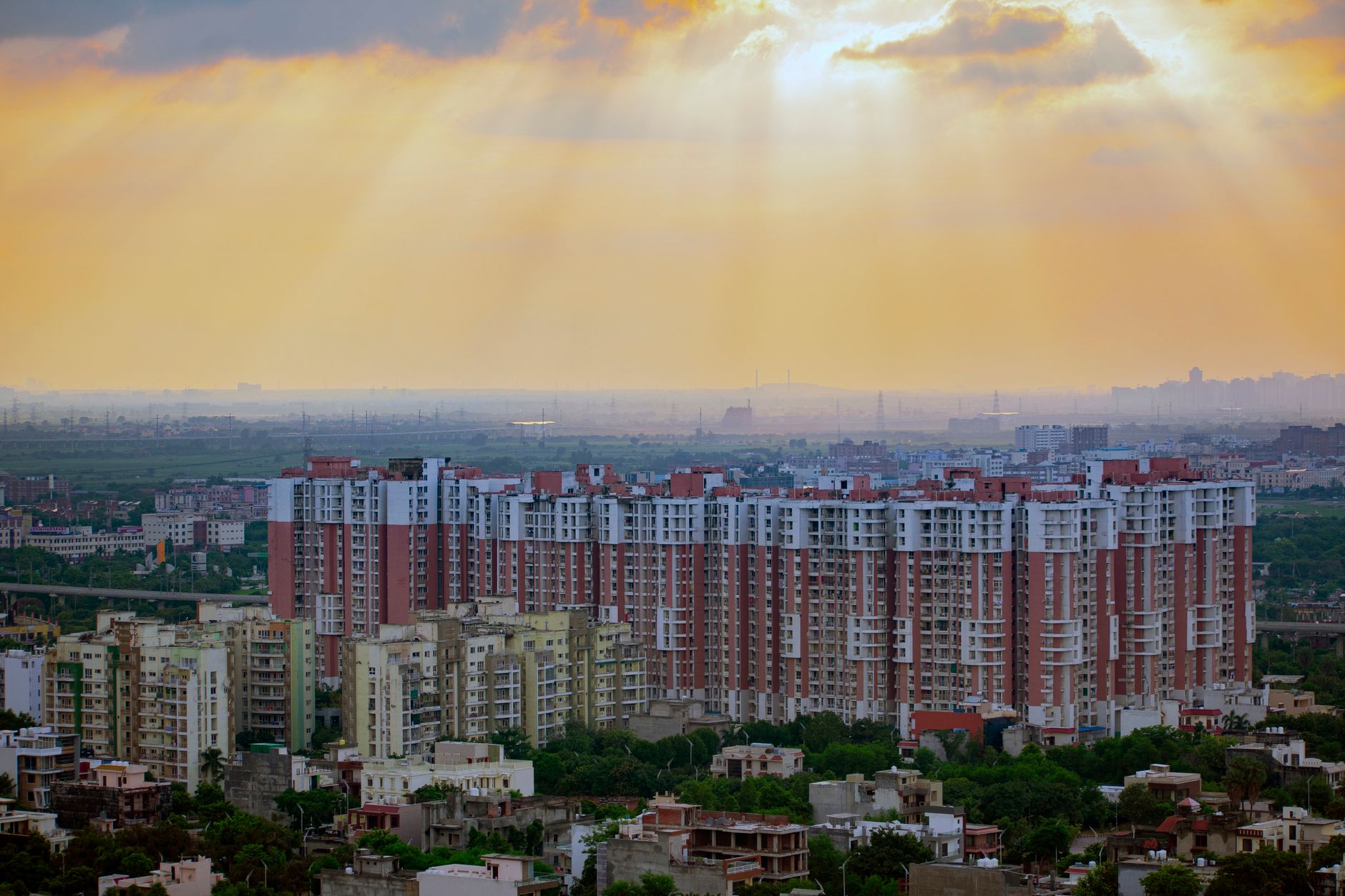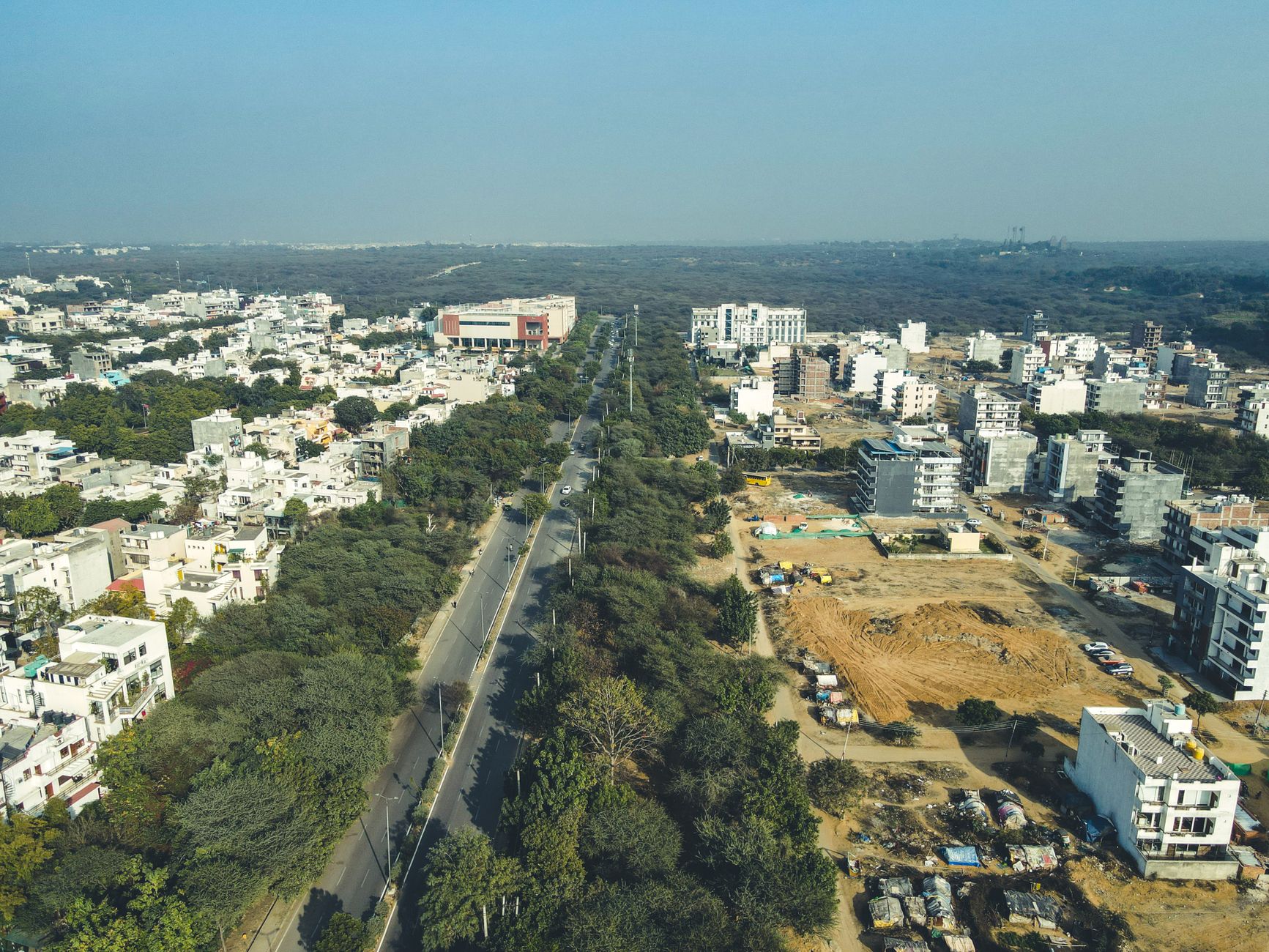
India's real estate sector has witnessed remarkable growth in recent years, with luxury apartments and commercial complexes transforming city skylines across the country. However, beneath this glittering surface lies a troubling reality: affordable housing remains severely inadequate, creating a widening gap between supply and demand for homes that ordinary Indians can actually afford.
The Scale of the Housing Deficit
India's urban housing shortage is staggering, with estimates suggesting a deficit of nearly 10 million units in cities and towns. The vast majority of this shortage—approximately 96 percent—affects families in the Economically Weaker Section (EWS) and Lower Income Group (LIG) categories. These are households earning less than Rs 6 lakh annually, who find themselves priced out of the formal housing market despite government initiatives aimed at increasing supply.
The problem extends beyond mere numbers. As India's urban population continues to grow rapidly, driven by migration from rural areas in search of employment opportunities, the demand for affordable housing intensifies. Cities like Mumbai, Delhi, Bengaluru, and Hyderabad attract thousands of new residents monthly, yet the housing stock available to accommodate them at affordable price points remains woefully insufficient.
Why Developers Prefer Premium Projects
The real estate boom has largely bypassed affordable housing for several structural reasons. Developers naturally gravitate toward mid-range and luxury segments where profit margins are substantially higher. A premium apartment in a metropolitan area can yield returns of 25-30 percent, while affordable housing projects typically offer margins of just 8-12 percent.
Land costs in urban areas have skyrocketed, making it financially challenging to construct homes at price points accessible to lower-income buyers. When developers acquire expensive land parcels, they must maximize returns by building upscale properties rather than affordable units. This economic logic, while understandable from a business perspective, exacerbates the housing crisis for those who need it most.
Additionally, the approval processes, regulatory compliance, and construction timelines are similar whether building luxury or affordable housing. Developers understandably choose projects that offer better financial outcomes for the same administrative effort.
Government Initiatives and Their Limitations
The Pradhan Mantri Awas Yojana (PMAY), launched in 2015, represents the government's flagship effort to provide "Housing for All." The scheme offers interest subsidies and direct financial assistance to eligible beneficiaries. While PMAY has sanctioned millions of homes, implementation challenges persist.
Funding constraints, land availability issues, and bureaucratic delays have slowed progress. Many sanctioned projects face completion delays, leaving beneficiaries in limbo. Furthermore, the definition of "affordable" varies significantly across cities—what qualifies as affordable in tier-2 cities may still be out of reach for many families in metropolitan areas where job opportunities are concentrated.
State governments have introduced incentives like reduced stamp duties, premium FSI (Floor Space Index), and fast-track approvals for affordable housing projects. However, these measures have yielded mixed results, as the fundamental economics of affordable housing development remain challenging.
The Social and Economic Impact
The affordable housing shortage has far-reaching consequences beyond the immediate discomfort of inadequate shelter. Families spend disproportionate shares of their income on rent, leaving less for education, healthcare, and savings. This perpetuates poverty cycles and limits upward mobility.
The proliferation of informal settlements and slums in Indian cities reflects this housing crisis. Millions live in substandard conditions without proper sanitation, water supply, or security of tenure. These settlements often face the threat of demolition, creating uncertainty and social instability.
From an economic perspective, inadequate housing affects workforce productivity. Long commutes from affordable peripheral areas to employment centers result in lost time and increased transportation costs. This inefficiency affects both individual workers and the broader economy.
Finding Solutions
Addressing India's affordable housing crisis requires multifaceted approaches. Increasing land availability through better urban planning and converting government-owned land for affordable housing could help reduce costs. Streamlining approval processes and creating dedicated fast-track mechanisms for affordable projects would encourage developer participation.
Innovative financing models, including rental housing schemes and public-private partnerships, could expand options beyond ownership-based solutions. Technology adoption in construction, such as prefabricated modules and alternative building materials, may reduce costs while maintaining quality.
Ultimately, making affordable housing financially attractive to private developers while ensuring accessibility for target beneficiaries remains the central challenge. Without bridging this gap, India's real estate boom will continue to benefit only a privileged minority while millions remain without adequate shelter.