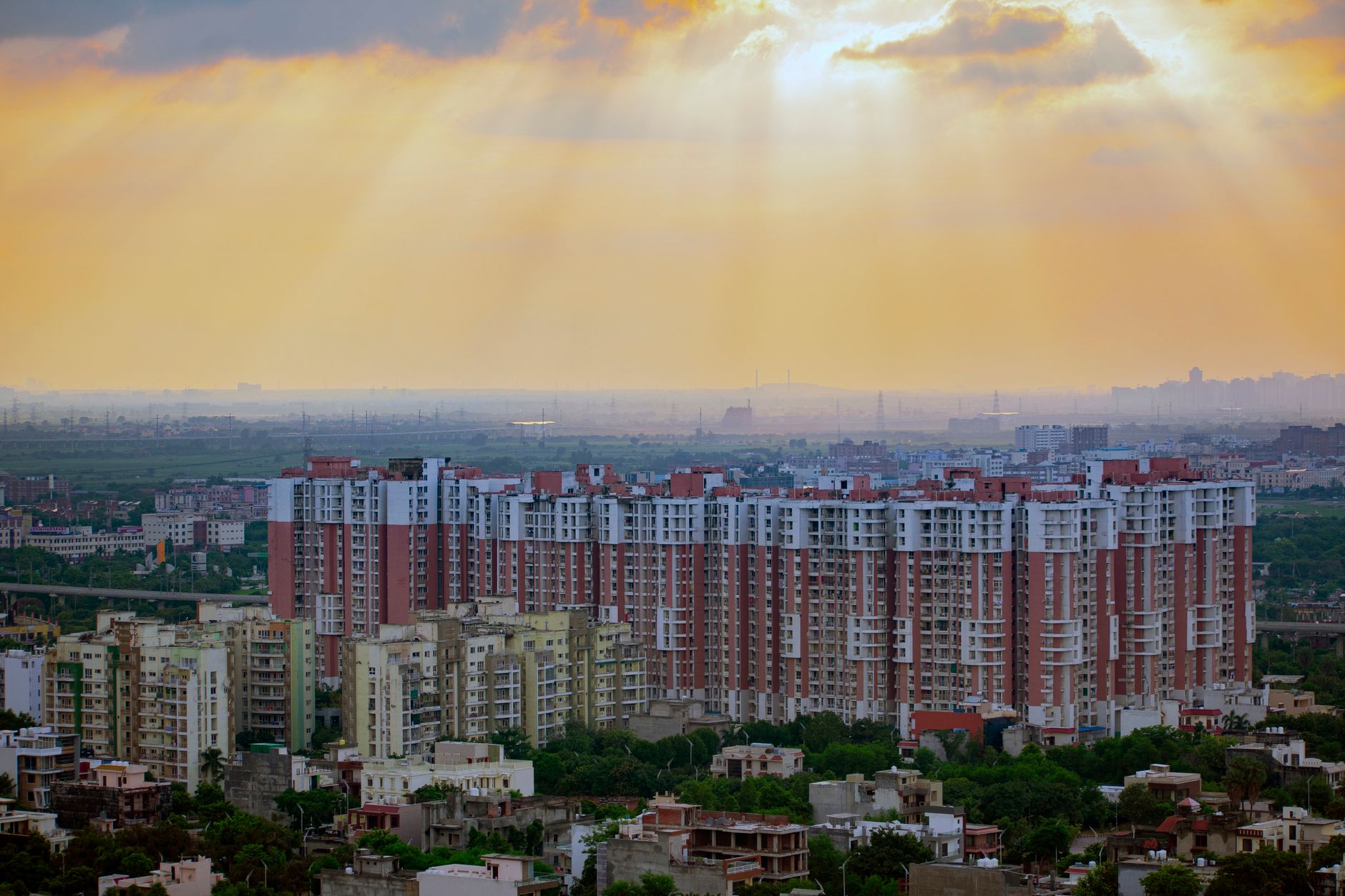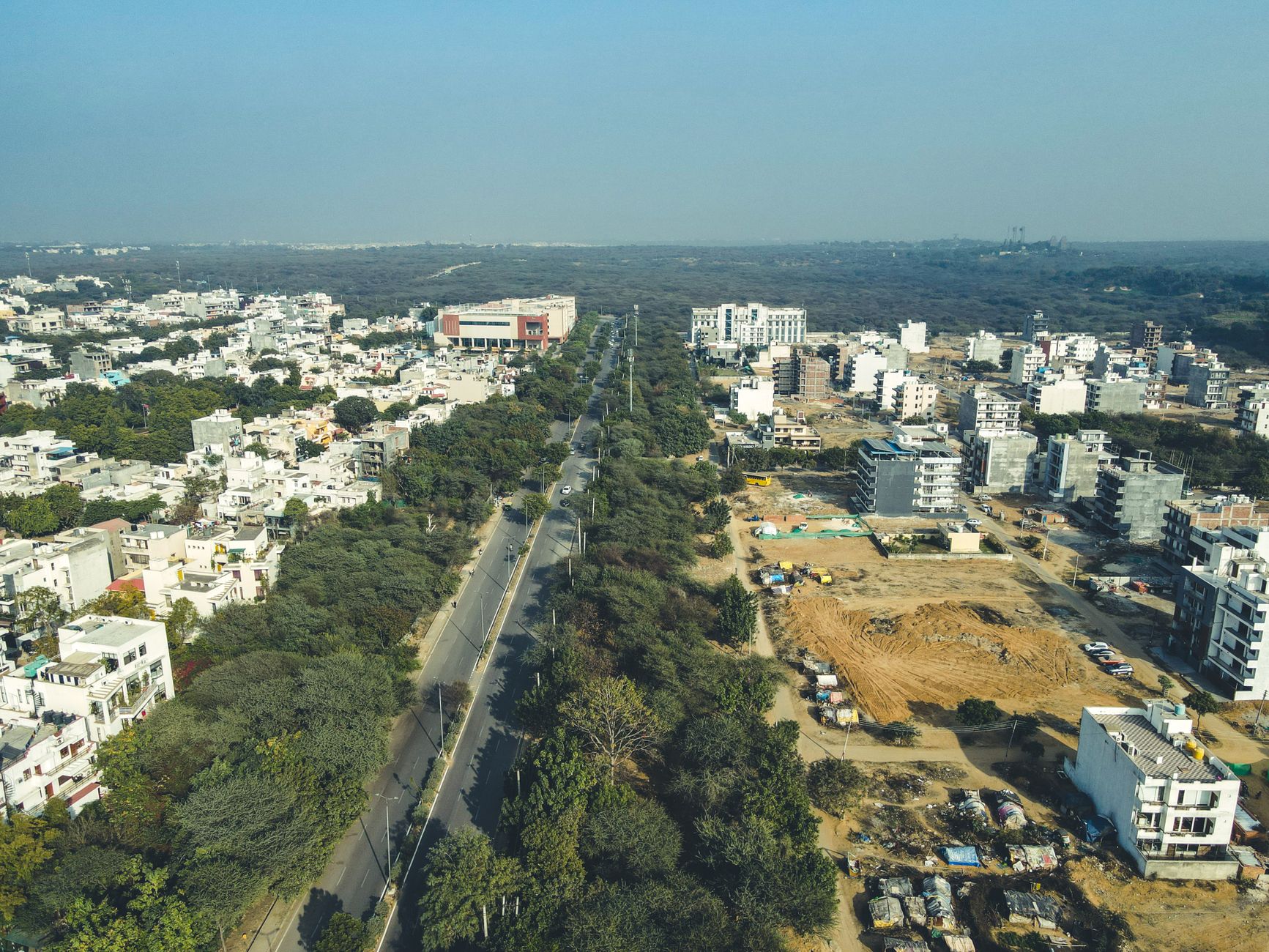
When one of India's most successful entrepreneurs finds himself waiting 20 years for a luxury apartment, it shines a spotlight on the country's persistent real estate delivery crisis. Sabeer Bhatia, the co-founder of Hotmail and a tech icon who sold his company to Microsoft, has reportedly been entangled in a property dispute that has left him without possession of his Mumbai apartment for two decades—a situation that resonates with thousands of Indian homebuyers.
The Scope of India's Delivery Problem
Real estate delays are not isolated incidents in India but rather a systemic issue that has plagued the sector for decades. According to various industry reports, tens of thousands of homebuyers across metropolitan cities remain stuck in incomplete projects, with their life savings locked in properties they may never occupy.
The problem extends across all price segments. While Bhatia's case involves a luxury property in Mumbai, middle-class buyers in cities like Noida, Greater Noida, Gurugram, and Bengaluru have faced similar or worse situations. Many have paid substantial amounts as down payments and EMIs for apartments in projects that remain incomplete years after their promised delivery dates.
Why Projects Get Delayed
Several factors contribute to India's chronic real estate delivery issues:
- Land title disputes and unclear property ownership records
- Delays in obtaining regulatory approvals and clearances from multiple authorities
- Diversion of funds by developers from one project to another
- Lack of adequate financing and cash flow management
- Changes in construction plans requiring fresh approvals
- Labour shortages and supply chain disruptions
- Economic downturns affecting developer solvency
The situation was so severe that it prompted regulatory intervention, leading to the establishment of the Real Estate Regulatory Authority (RERA) in 2016 to bring transparency and accountability to the sector.
The Human Cost of Delays
Beyond the financial implications, property delays exact a heavy emotional and practical toll on buyers. Families planning their lives around moving into new homes find themselves in perpetual limbo. Many continue paying rent while simultaneously servicing home loans for properties they cannot occupy—a double financial burden that strains household budgets.
For retirees who invested their life savings into homes for their golden years, delays mean uncertainty during their most vulnerable period. Young professionals see their marriage plans disrupted, while growing families remain cramped in smaller accommodations as they wait.
RERA's Impact and Limitations
The Real Estate Regulation and Development Act was designed to address these issues by mandating transparency, setting strict timelines, and holding developers accountable. Under RERA, developers must register projects, maintain separate escrow accounts for each project, and face penalties for delays.
While RERA has brought improvements, enforcement remains inconsistent across states. Some state RERA authorities are more proactive than others, and the backlog of cases in tribunals means justice often comes slowly. Moreover, RERA primarily applies to new projects launched after its implementation, leaving many buyers of older projects without adequate protection.
Lessons for Homebuyers
Bhatia's experience, despite his resources and connections, underscores that no buyer is immune to real estate risks in India. Prospective homebuyers should consider several precautions:
- Verify the developer's track record and completed projects
- Ensure the project is registered under RERA and check its status
- Review all legal documents thoroughly, preferably with legal counsel
- Confirm that the land has clear titles with no disputes
- Check that the project has received all necessary approvals
- Never pay any amount without proper documentation
- Stay informed about construction progress through regular site visits
The Path Forward
Reforming India's real estate sector requires coordinated efforts from multiple stakeholders. State governments need to streamline approval processes and digitize land records comprehensively. Financial institutions should monitor fund utilization more strictly. Industry bodies must enforce higher standards among developers.
For cases like Bhatia's that involve decades-old disputes, fast-track resolution mechanisms could help clear the backlog and restore buyer confidence. The longer such high-profile cases remain unresolved, the more they damage India's image as an investment destination.
The real estate sector remains crucial for India's economic growth and wealth creation for millions of families. Ensuring timely delivery and protecting buyer interests is not just about individual transactions—it is about maintaining trust in one of the economy's most important sectors.
This article is for general informational purposes only and should not be considered as legal or financial advice. Readers facing property disputes should consult qualified legal professionals for guidance specific to their situation.