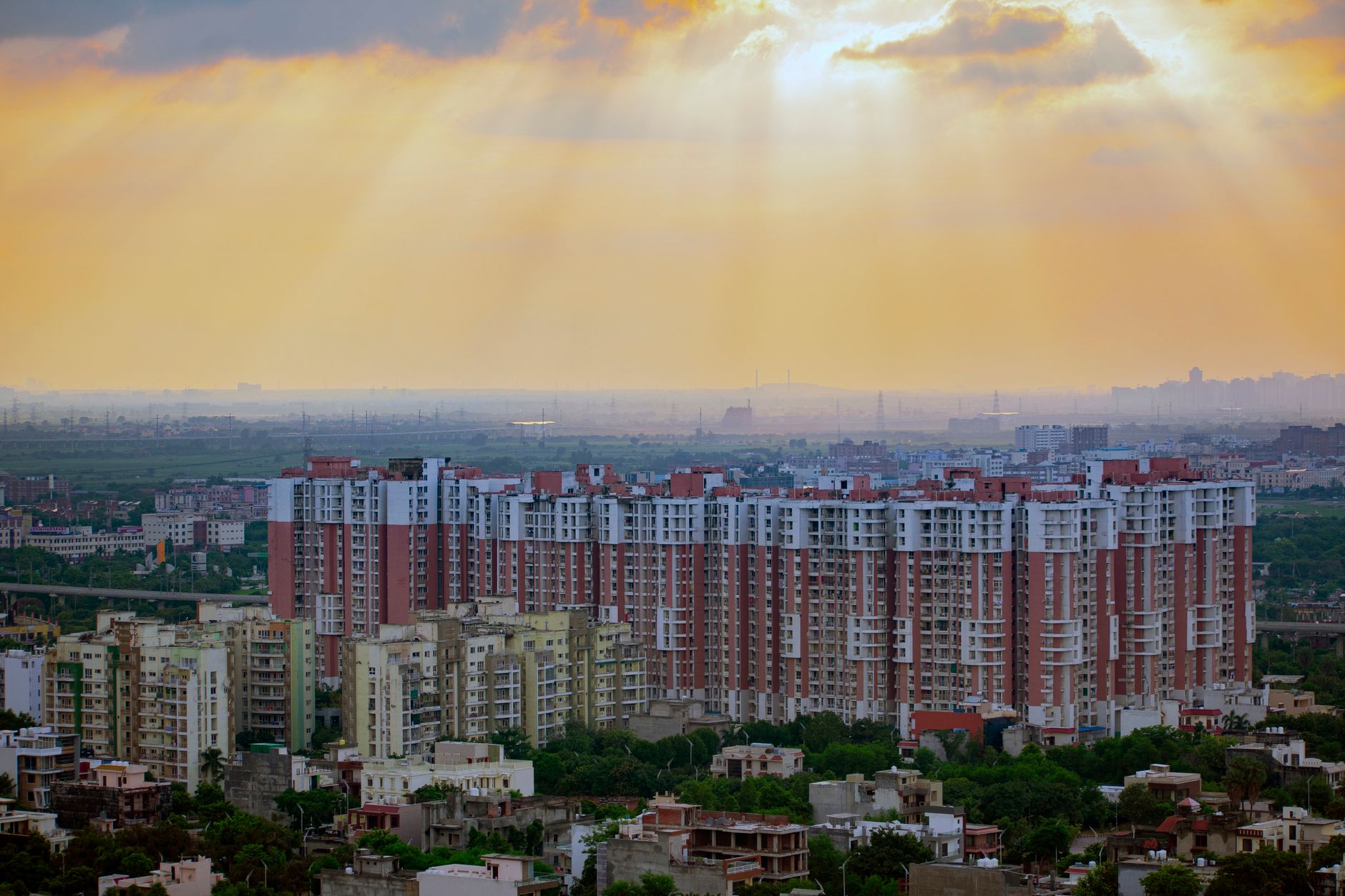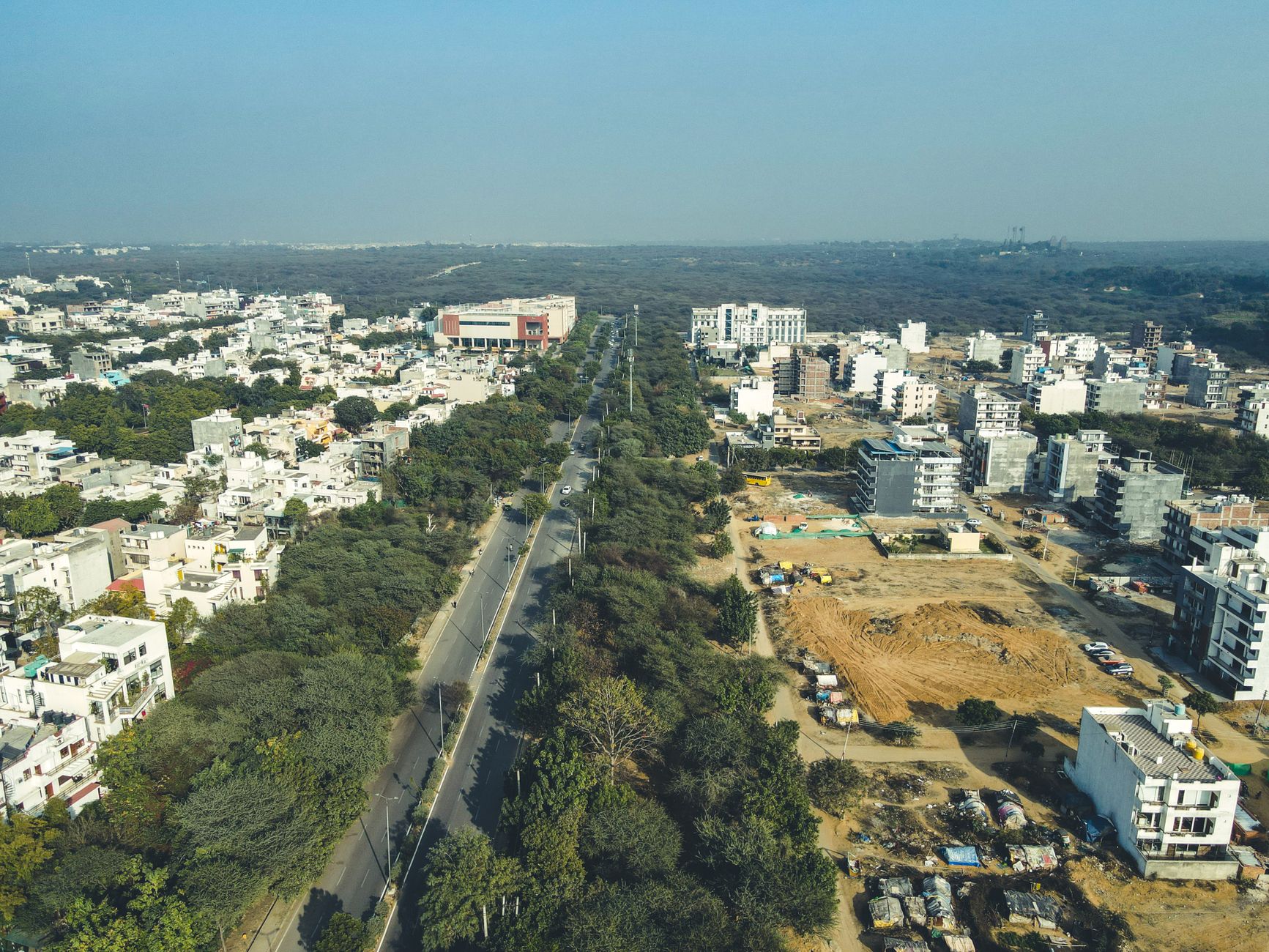
The dream of owning a home has been central to Indian middle-class aspirations for generations. Today, however, that dream is rapidly becoming unattainable as property prices in major cities have skyrocketed to levels that defy average incomes. A standard 1,000-square-foot apartment now routinely commands prices upwards of Rs 1 crore in metros, pushing homeownership beyond the reach of salaried professionals.
The Affordability Crisis in Numbers
The stark reality is visible in the price-to-income ratio, which measures how many years of household income are needed to purchase a home. In cities like Mumbai, Bengaluru, and Delhi-NCR, this ratio has climbed to 10-15 years or more, compared to the globally accepted benchmark of 3-5 years. For a family earning Rs 15 lakh annually, purchasing even a modest Rs 1 crore home means allocating nearly seven years of their entire gross income, before accounting for any living expenses or taxes.
This disconnect between incomes and property prices has widened dramatically over the past decade. While salaries have grown at roughly 6-8 percent annually, property prices in prime urban locations have appreciated at nearly double that rate, creating a chasm that grows wider each year.
Key Drivers Behind Soaring Property Prices
Several factors have converged to create this perfect storm of unaffordability.
- Land scarcity in established urban centres has pushed prices skyward, with developers competing for limited parcels
- Infrastructure development and metro connectivity have made previously affordable peripheral areas suddenly expensive
- Input costs including cement, steel, and labour have increased substantially, adding to construction expenses
- Regulatory compliance costs related to environmental clearances and building codes have risen
- Premium positioning by developers has shifted focus toward luxury segments with higher margins
Additionally, the pandemic triggered a surge in housing demand as work-from-home arrangements made people prioritize larger living spaces. This demand spike, combined with low interest rates during 2020-2021, created intense competition for available inventory.
The Changing Profile of Homebuyers
The composition of homebuyers has shifted noticeably. Investors, including non-resident Indians and high-net-worth individuals, now constitute a significant portion of purchases in metros. Their capacity to pay premium prices sets market benchmarks that ordinary middle-class buyers cannot match.
Cash-rich tech professionals and dual-income households with no dependents form another segment that can afford these elevated prices, further driving up valuations. Meanwhile, traditional middle-class families with moderate incomes, children's education expenses, and aging parents to support find themselves completely priced out.
The EMI Trap and Hidden Costs
Even when middle-class buyers secure home loans, the financial burden extends far beyond the EMI. A Rs 1 crore home loan at current interest rates translates to monthly EMIs of approximately Rs 85,000-90,000 over 20 years. This typically consumes 50-60 percent of household income for middle-class families, leaving little room for other essential expenses or savings.
Additional costs compound the problem:
- Registration and stamp duty charges adding 5-7 percent to the property cost
- GST on under-construction properties
- Maintenance charges and property taxes
- Interior work and furnishing expenses
- Loan processing fees and insurance
Regional Variations and Migration Patterns
While metros face acute affordability challenges, tier-2 and tier-3 cities still offer relatively reasonable options. However, employment opportunities remain concentrated in major urban centres, forcing professionals to choose between career growth and homeownership affordability.
Some families are adopting a compromise strategy by purchasing properties in their hometowns while renting in cities where they work. Others are looking at co-ownership models or smaller configurations, accepting compromises on space and location.
The Rental Alternative
With homeownership becoming elusive, many middle-class families are reconsidering renting as a long-term option rather than a temporary phase. Renting offers flexibility, lower upfront capital requirements, and freedom from maintenance responsibilities. The stigma traditionally associated with lifelong renting is gradually diminishing, especially among younger professionals.
Looking Ahead
The current trajectory suggests that unless there are significant policy interventions or income growth acceleration, homeownership rates among the middle class will continue declining. Affordable housing schemes have had limited impact in metros, where land costs alone make genuinely affordable development unviable.
For millions of Indian families, the equation is simple but sobering: the mathematics of homeownership no longer adds up, forcing a fundamental recalibration of what was once considered an achievable middle-class milestone.
This article is for general informational purposes only and should not be considered financial or investment advice. Property purchase decisions should be made after careful evaluation of individual circumstances and consultation with qualified financial advisors.