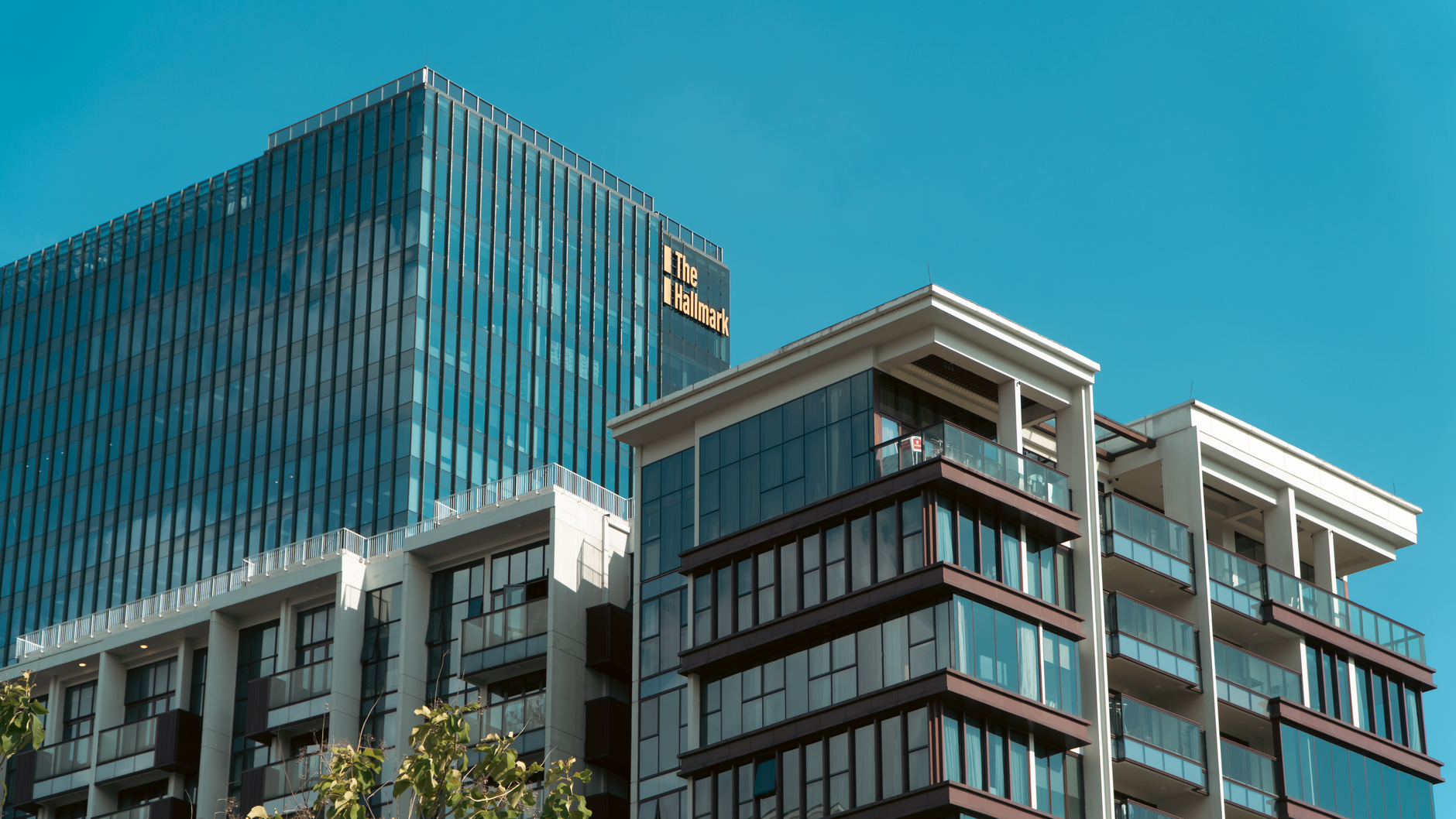
The Asia-Pacific region has witnessed a significant shift in institutional investment preferences, with office assets commanding the lion's share of commercial real estate capital deployment. This trend reflects growing confidence in the long-term viability of office spaces, even as hybrid work models reshape how businesses utilize physical workplaces.
Why Office Assets Are Attracting Investor Attention
Several factors have converged to make office properties the preferred choice for institutional investors and real estate investment trusts (REITs) across the APAC region. Premium Grade A office buildings in major business districts continue to demonstrate resilient occupancy rates, particularly in cities like Singapore, Sydney, Tokyo, and increasingly, Indian metros such as Mumbai, Bengaluru, and Gurugram.
The quality of office stock has improved dramatically over the past decade, with newer developments incorporating sustainable design principles, advanced technology infrastructure, and amenity-rich environments that appeal to both corporate tenants and their employees. These features have allowed landlords to command premium rentals while maintaining stable vacancy rates.
The India Story
India has emerged as a standout performer within the APAC office market. The country's office sector has attracted substantial foreign and domestic capital, driven by robust demand from technology companies, multinational corporations establishing global capability centres, and the expansion of financial services firms.
Cities like Bengaluru, Hyderabad, and Pune have become major office investment hubs, with developers and investors betting on sustained demand from the IT and business process management sectors. Mumbai and the National Capital Region continue to attract investment in premium office developments catering to banking, consulting, and professional services firms.
The growth of co-working spaces and managed office solutions has also contributed to the office sector's appeal, providing flexibility that addresses some concerns about traditional long-term lease models.
Comparative Performance Against Other Asset Classes
While retail properties struggled during and after the pandemic, and industrial assets, though performing well, offer different risk-return profiles, office assets have struck a balance that appeals to institutional capital. Retail investments have been more selective, focused primarily on dominant malls and high-street locations in tier-one cities, whereas office investments span a broader range of sub-markets.
Industrial and logistics properties have certainly gained traction, particularly warehousing facilities serving e-commerce and third-party logistics providers. However, the sheer volume of capital flowing into office assets has maintained this sector's leadership position in overall investment volumes.
Residential properties, while offering steady cash flows in some markets, generally provide lower yields compared to commercial office assets and appeal to a different investor base.
Rental Yields and Capital Appreciation
Office assets in prime APAC locations offer attractive rental yields ranging from 4 to 8 percent, depending on the market and specific sub-location. Beyond current income, investors are banking on capital appreciation driven by limited supply of premium office space in central business districts and growing demand from expanding economies.
The scarcity of developable land in core business districts of major cities creates a natural supply constraint that supports both rental growth and asset values over the medium to long term.
ESG Considerations Driving Investment Decisions
Environmental, social, and governance (ESG) factors have become critical in office investment decisions. Institutional investors, particularly those from developed markets, increasingly prioritize buildings with green certifications such as LEED, GRIHA, or WELL Building Standard.
Modern office developments incorporating energy-efficient systems, renewable energy sources, water conservation measures, and healthy indoor environments command premium valuations and attract quality tenants willing to pay higher rentals. This alignment between investor requirements and tenant preferences has further strengthened the office sector's investment appeal.
Future Outlook
Despite ongoing discussions about remote work and hybrid models, the demand for quality office space continues to grow, particularly in emerging APAC markets where economic expansion and corporate growth drive occupancy. Investors are viewing temporary adjustments in space utilization as an evolution rather than a fundamental threat to the office sector.
The flight to quality phenomenon, where tenants consolidate in premium buildings while vacating older stock, has created opportunities for investors willing to acquire, reposition, and upgrade existing assets.
This article is for general informational purposes only and should not be construed as investment advice. Real estate investment decisions should be made after consulting with qualified financial advisors and conducting thorough due diligence on specific properties and markets.