Indian homes are undergoing a quiet revolution, and it's happening one surface at a time. As we move through 2026, interior designers and homeowners across the country are gravitating toward nature-inspired laminates that blur the line between indoors and outdoors. This shift represents more than just a passing trend—it reflects a fundamental change in how Indians conceptualize living spaces in an increasingly urbanized landscape.
The Rise of Biophilic Design in Indian Homes
Biophilic design, which incorporates natural elements into built environments, has gained tremendous traction in Indian metros where green spaces are shrinking. Nature-inspired laminates offer an accessible entry point into this design philosophy. These surfaces replicate organic textures like wood grain, stone patterns, marble veining, and even botanical motifs with remarkable accuracy.
The appeal is straightforward: urban Indians spend most of their time indoors, whether in apartments or office spaces. Bringing natural aesthetics into these environments through laminates provides psychological benefits without the maintenance challenges of genuine materials. Studies have shown that nature-inspired interiors can reduce stress and improve overall well-being—a compelling proposition for city dwellers.
Why Laminates Over Natural Materials
Several practical factors explain why laminates have become the preferred choice over authentic wood, stone, or marble in Indian homes.
- Cost-effectiveness: Natural materials carry premium price tags and installation costs that place them beyond many middle-class budgets. Laminates deliver similar aesthetics at a fraction of the price.
- Durability in Indian climates: India's diverse climate zones—from humid coastal regions to dry interiors—can wreak havoc on natural materials. Laminates resist moisture, temperature fluctuations, and termites better than wood.
- Low maintenance: Unlike wood that requires polishing or stone that needs sealing, laminates simply need wiping down with a damp cloth.
- Consistency and availability: Natural materials vary in quality and availability. Laminates provide uniform appearance and are readily available across the country.
- Installation speed: Laminate installation is faster and less messy than fitting natural materials, crucial for working homeowners who cannot afford extended renovation periods.
Popular Nature-Inspired Patterns for 2026
This year's trending laminate designs draw heavily from India's natural landscape while incorporating global influences.
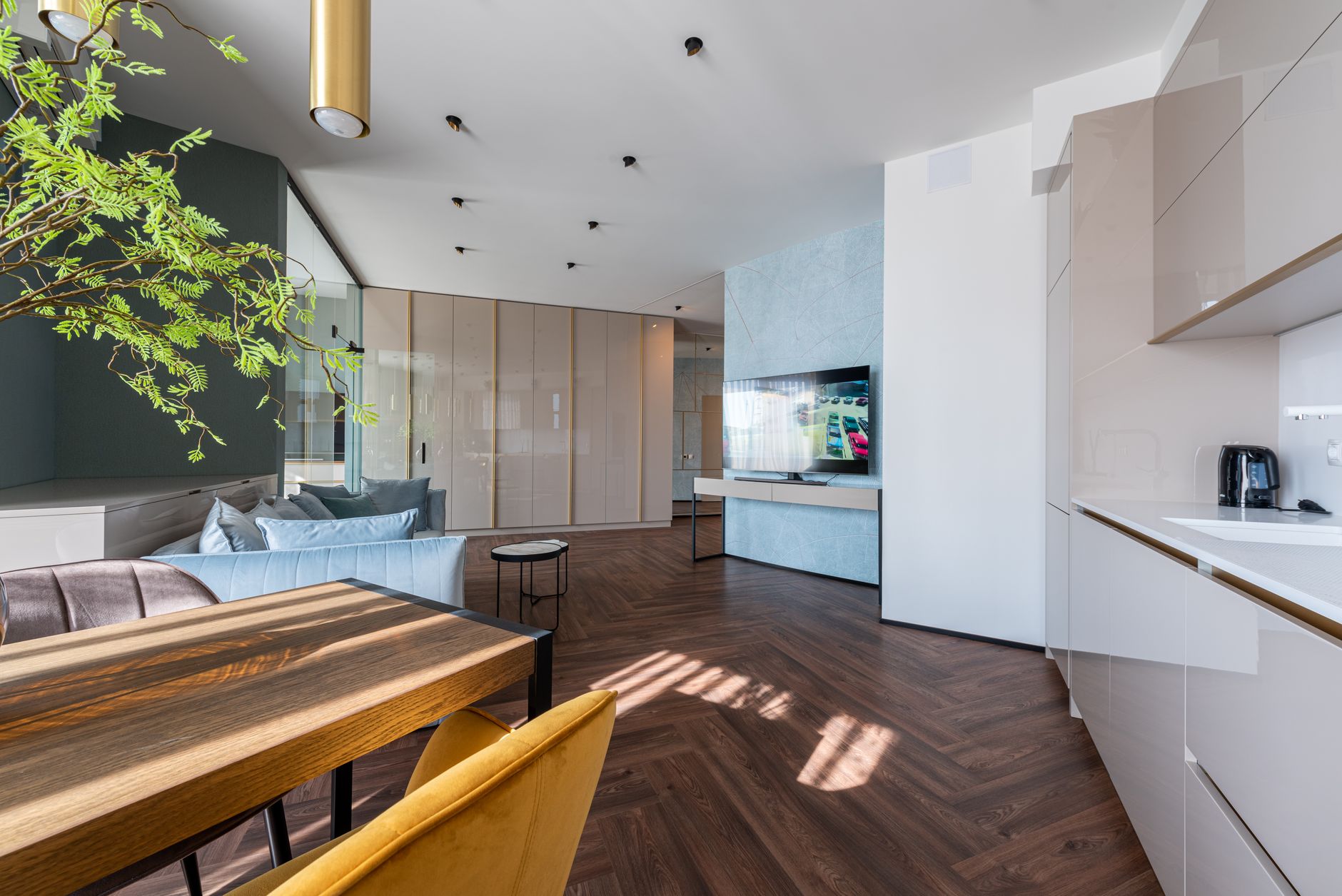
Wood-grain laminates remain perennial favorites, but 2026 sees a shift toward lighter, Scandinavian-inspired finishes rather than dark tropical woods. Oak, ash, and birch patterns are particularly popular for living rooms and bedrooms, creating airy, spacious feels in compact urban apartments.
Stone and marble-effect laminates have evolved beyond traditional white Carrara replicas. Indian designers are embracing laminates that mimic local stones—Jaisalmer sandstone, Kota stone, and even the distinctive patterns of Indian slate. These create connections to regional identity while maintaining contemporary aesthetics.
Botanical and abstract nature patterns represent the newest category. Laminates featuring subtle leaf patterns, water ripples, or abstract interpretations of landscapes are appearing in accent walls and furniture. These work particularly well in modern minimalist homes where they add visual interest without overwhelming spaces.
Application Areas Driving Adoption
Nature-inspired laminates are finding applications throughout Indian homes, extending beyond traditional furniture surfacing.
Kitchen cabinetry remains the largest application area. Homeowners are replacing dated modular kitchens with nature-inspired laminate finishes that are heat-resistant and easy to clean. Wood-grain laminates in warm tones create welcoming cooking spaces, while stone-effect laminates on countertops provide luxury aesthetics with practical durability.
Wardrobe and storage solutions have also embraced these materials. Built-in wardrobes with nature-inspired finishes help bedroom furniture blend seamlessly with overall interior themes while maximizing storage in space-constrained apartments.
Wall paneling represents a growing application. Feature walls clad in stone-effect or wood-grain laminates create focal points in living rooms and bedrooms without the weight and expense of actual cladding materials.
Sustainability Considerations
While laminates are synthetic products, manufacturers are responding to environmental concerns. Many Indian and international brands now offer laminates with lower formaldehyde emissions, recycled content, and more sustainable production processes. Some use agricultural waste as substrate material, aligning with circular economy principles.
The sustainability argument for laminates also includes their wood-saving potential. By providing convincing alternatives to hardwood, laminates reduce pressure on forests—a significant consideration given India's deforestation challenges.
Design Tips for Incorporating Nature-Inspired Laminates
When working with these materials, balance is essential. Using wood-grain laminates throughout a space can feel overwhelming or artificial. Interior designers recommend mixing laminate surfaces with genuine textures—pairing laminate cabinetry with actual plants, natural fiber rugs, or cotton upholstery creates depth and authenticity.
Lighting plays a crucial role in how laminates appear. Quality laminates show their texture best under warm, diffused lighting rather than harsh overhead lights. Consider LED strip lighting or warm ambient fixtures to enhance the natural effect.
Scale matters too. Large-format laminates with continuous grain patterns work better for expansive surfaces like wardrobes, while varied patterns suit smaller applications like side tables or accent pieces.
The rise of nature-inspired laminates in Indian interiors represents a pragmatic yet aspirational approach to contemporary living—bringing natural beauty into homes while addressing the real-world constraints of budget, climate, and urban lifestyles.