As we move deeper into 2026, a powerful design movement is reshaping Indian homes: nature-inspired decor that blurs the boundaries between indoor and outdoor living. This isn't just about placing a few plants around your home—it's a comprehensive approach to creating spaces that nurture both aesthetic beauty and mental wellbeing.
The Rise of Biophilic Design
Biophilic design, the practice of incorporating natural elements into built environments, has evolved from a niche concept to a mainstream necessity. After years of increasingly digital lifestyles and urban living, homeowners are craving reconnection with nature. This trend responds to that need by bringing organic materials, natural light, greenery, and nature-inspired patterns into every room.
The movement gained momentum post-pandemic as people spent more time at home and recognized the psychological benefits of nature-connected spaces. Studies have consistently shown that exposure to natural elements reduces stress, improves concentration, and enhances overall mood—making nature-inspired decor both beautiful and functional.
Key Elements of Nature-Inspired Decor
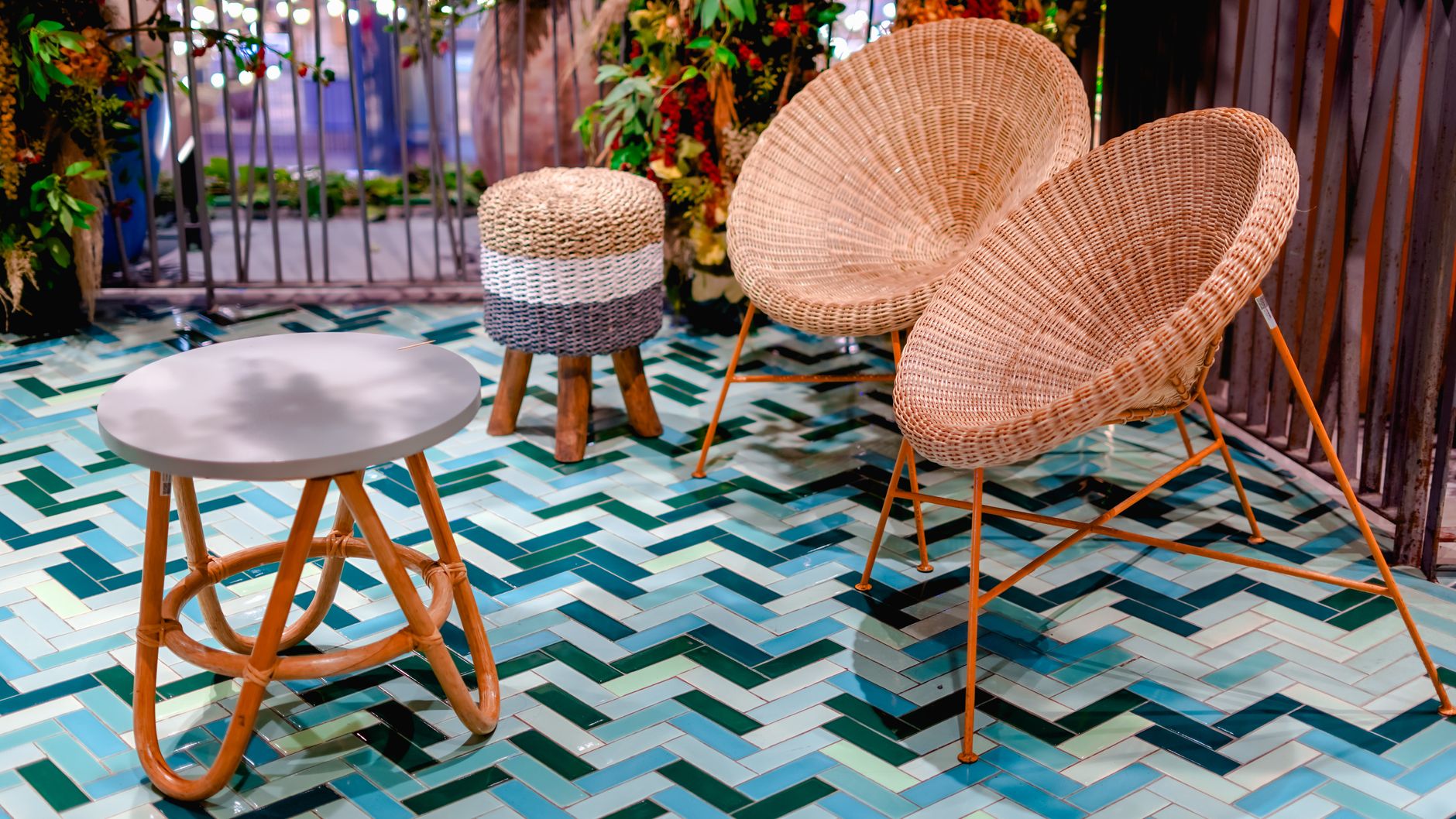
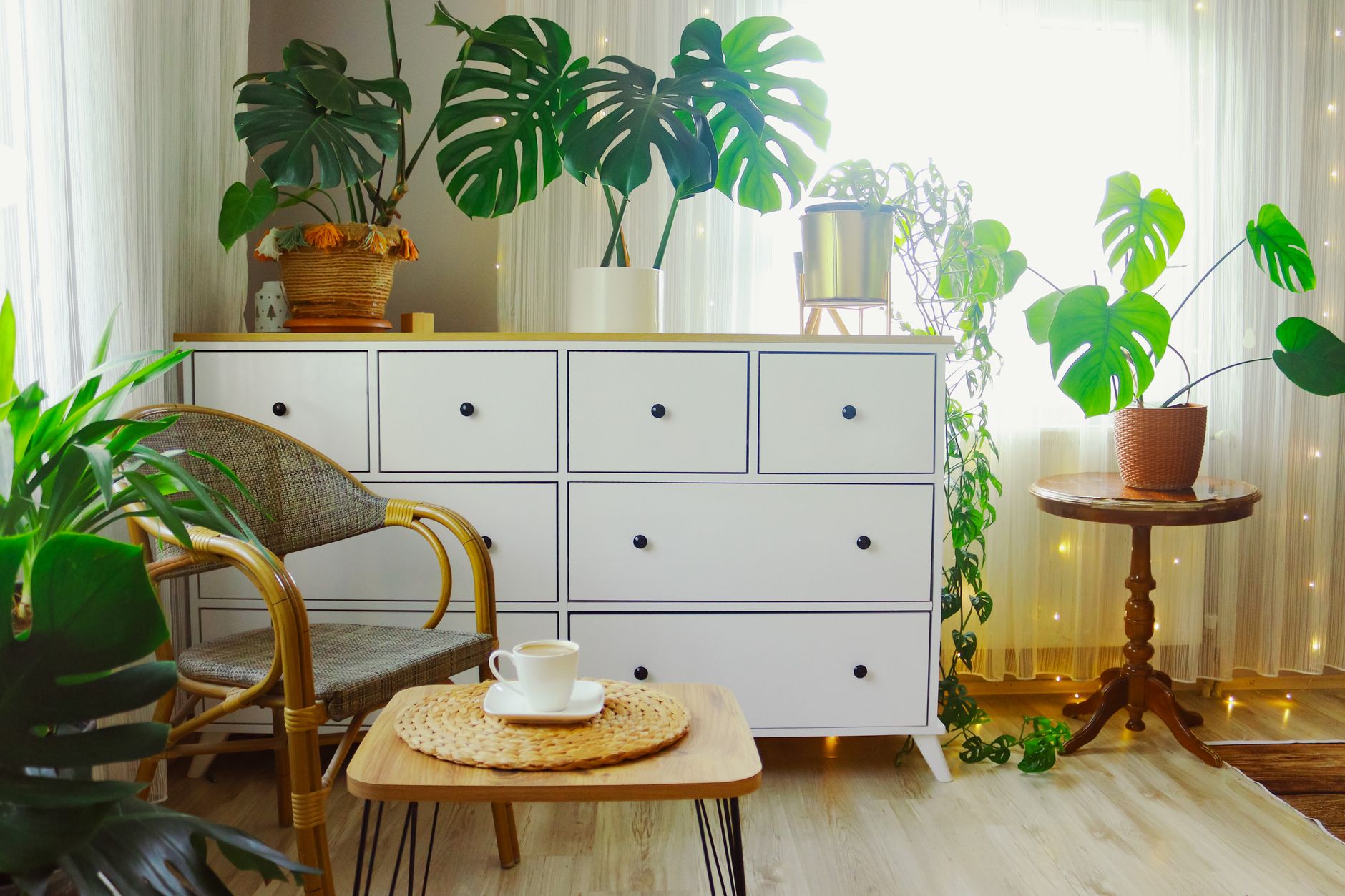
Natural materials form the foundation of this design philosophy. Think raw wood furniture with visible grain patterns, stone countertops and accent walls, rattan and cane pieces, bamboo accessories, and clay or terracotta pottery. These materials bring texture and warmth while telling stories of their origins.
- Living walls and vertical gardens that transform blank walls into lush green features
- Large indoor plants like fiddle leaf figs, monstera, and bird of paradise that make bold statements
- Sustainable fabrics including organic cotton, linen, jute, and hemp
- Water features such as small fountains or aquariums that add soothing sounds
- Natural colour palettes dominated by earth tones, forest greens, sky blues, and warm terracottas
- Maximized natural light through sheer curtains and strategically placed mirrors
Adapting the Trend for Indian Homes
Indian homes present unique opportunities for nature-inspired design. Traditional Indian architecture has long emphasized the connection between indoor and outdoor spaces through courtyards, verandas, and jali screens. Modern interpretations can honour these traditions while incorporating contemporary sustainability.
For apartment dwellers with limited outdoor access, creating a small balcony garden or installing window planters provides essential green space. Indoor herb gardens in the kitchen serve dual purposes—adding freshness while supplying cooking ingredients. Traditional Indian crafts like handwoven baskets, wooden carvings, and stone sculptures naturally align with this aesthetic.
Climate considerations matter too. In hot regions, natural cooling through cross-ventilation, light-coloured natural fabrics, and shade-providing plants makes practical sense. In more humid areas, choosing rot-resistant materials like teak or treated bamboo ensures longevity.
Budget-Friendly Implementation
Embracing nature-inspired decor doesn't require a complete home overhaul or significant investment. Start small by introducing potted plants, which are affordable and instantly transformative. Local nurseries offer excellent value compared to imported decor pieces.
Repurposing existing furniture by stripping and refinishing wooden pieces reveals their natural beauty. Visiting local artisan markets yields handcrafted items made from sustainable materials at reasonable prices. DIY projects like creating terrariums, making macramé plant hangers, or arranging branches and driftwood as decorative elements add personal touches without breaking the bank.
Simply decluttering and allowing more natural light to flow through spaces can dramatically shift a room's energy toward nature-inspired serenity.
Sustainability Meets Style
This trend aligns perfectly with growing environmental consciousness. Choosing furniture and decor made from renewable resources, supporting local craftspeople who use traditional sustainable methods, and reducing dependence on synthetic materials all contribute to more eco-friendly homes.
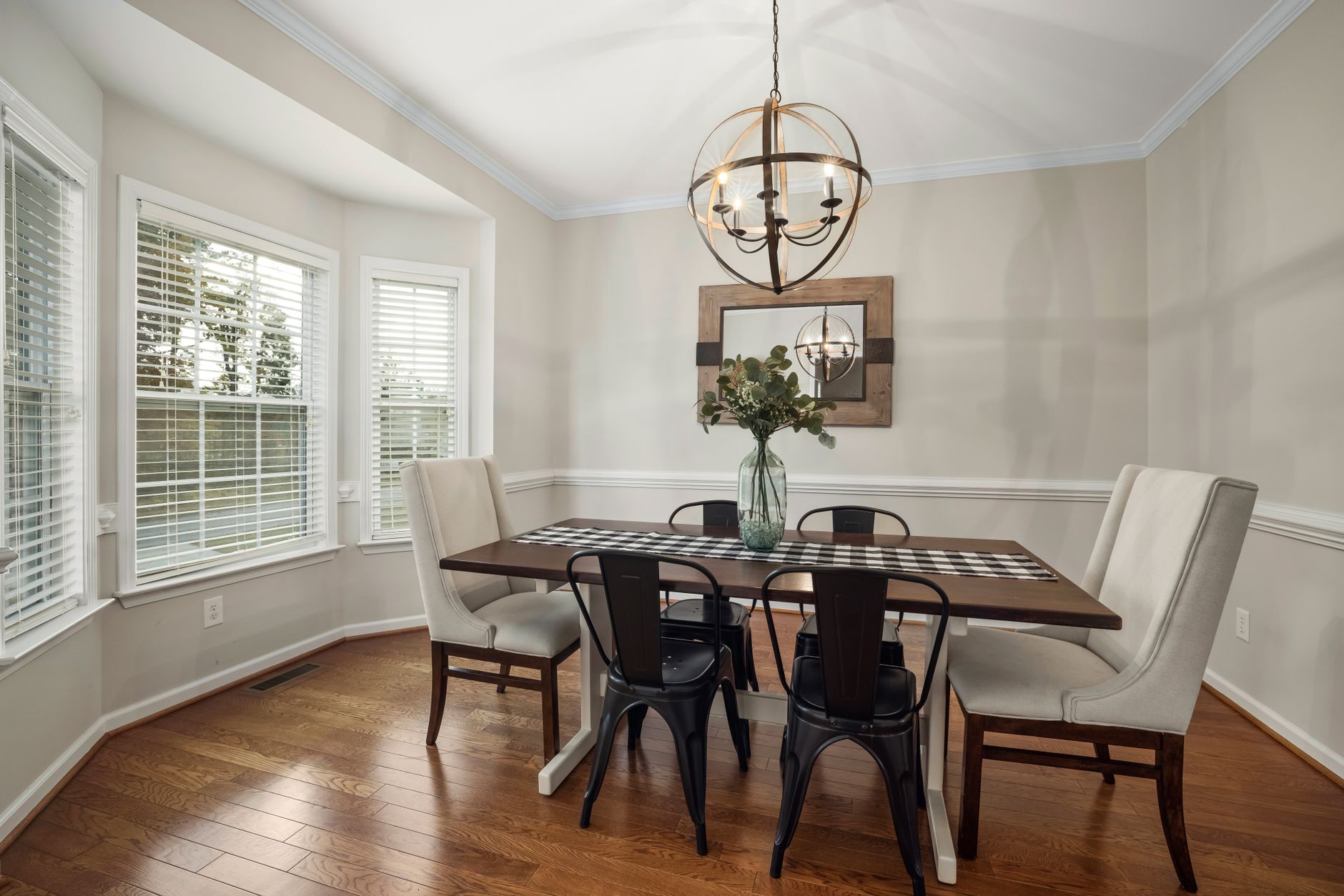
Many nature-inspired pieces are investment purchases that age beautifully rather than following fast-furniture trends. A solid wood dining table or handwoven rug can last decades, developing character over time rather than deteriorating.
Creating Mindful Spaces
Beyond aesthetics, nature-inspired decor supports intentional living. These elements encourage slower, more mindful interactions with our spaces. The act of caring for plants, feeling natural textures, and observing how natural light changes throughout the day grounds us in the present moment.
As homes continue serving as multifunctional spaces for work, relaxation, and family time, creating environments that reduce stress and promote wellbeing becomes increasingly important. Nature-inspired design offers a holistic solution that addresses both visual appeal and quality of life.
Whether you're planning a major renovation or simply refreshing a single room, incorporating natural elements creates timeless beauty that transcends fleeting trends while supporting sustainable, healthful living.