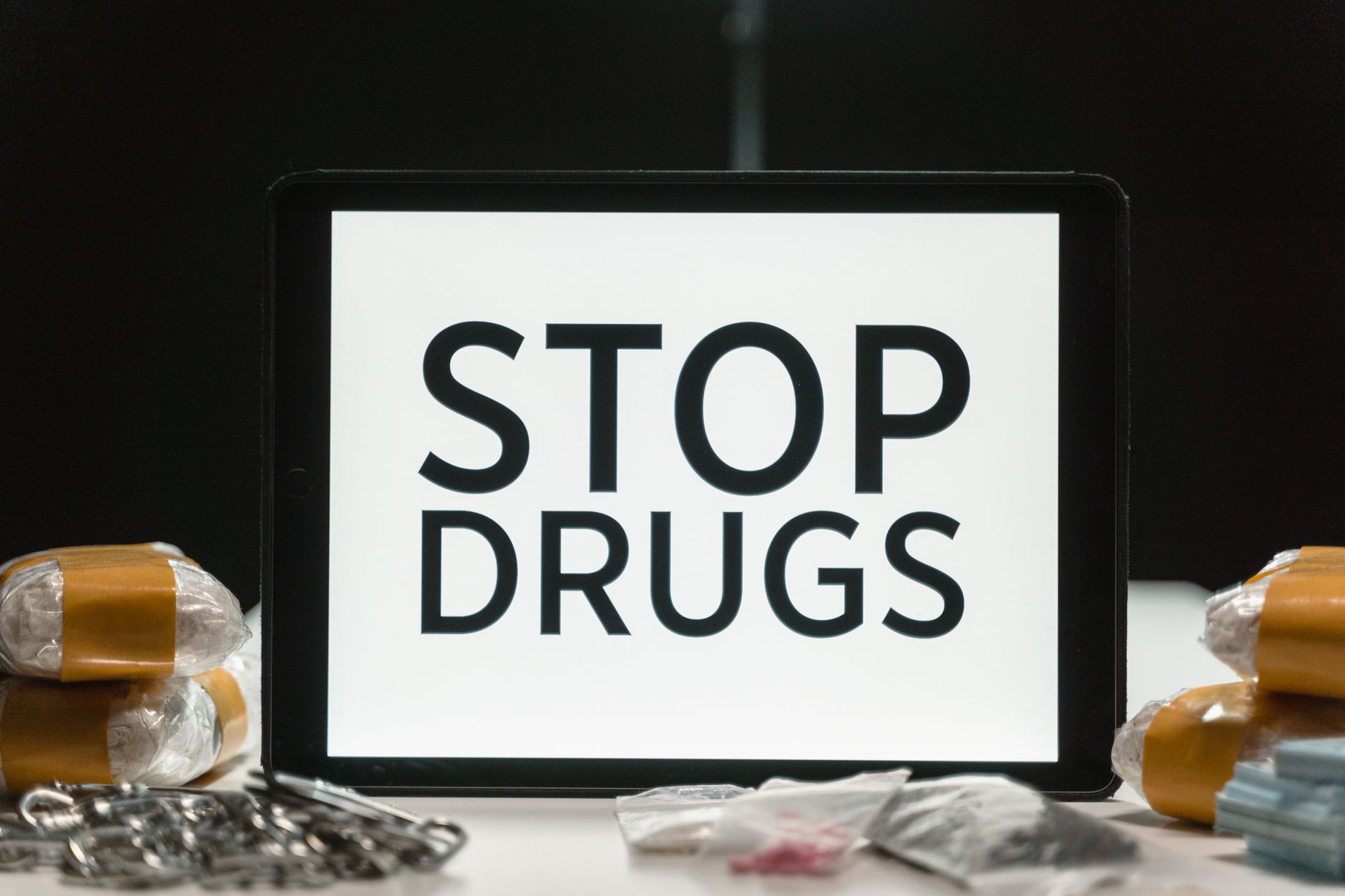
India's youth empowerment initiative MY Bharat has launched a significant awareness campaign targeting substance abuse among young people. The 'जागरूक जिगर' (Jagruk Jigar or Aware Liver) campaign focuses on creating a drug-free generation as part of the broader vision for a developed India by 2047.
Understanding India's Substance Abuse Challenge
Substance abuse among youth has emerged as a critical public health concern in India. According to various studies, millions of young Indians are affected by addiction to alcohol, drugs, tobacco, and other intoxicating substances. The problem is particularly acute in certain states and urban areas, where easy availability and peer pressure contribute to rising addiction rates.
The campaign name 'Jagruk Jigar' cleverly uses wordplay to emphasize both awareness and the physical impact of substance abuse on vital organs like the liver. This approach makes the health consequences more tangible and relatable to young audiences.
The Vision of Nasha Mukt Bharat
The Nasha Mukt Bharat (Drug-Free India) movement is a comprehensive government initiative aimed at reducing both the supply and demand sides of substance abuse. The campaign recognizes that creating a developed nation requires healthy, productive citizens who can contribute meaningfully to national progress.
Key objectives include raising awareness about the dangers of substance abuse, identifying vulnerable populations, providing rehabilitation support, and creating social support systems that discourage drug use. The initiative particularly targets educational institutions, where early intervention can prevent lifelong addiction patterns.
How MY Bharat Drives Youth Engagement
MY Bharat, formerly known as Nehru Yuva Kendra Sangathan, serves as the nodal agency for youth development programs across India. By integrating the substance abuse awareness campaign into its framework, the organization leverages its extensive network of youth volunteers and community workers.
The platform enables young people to become change agents in their own communities. Volunteers are trained to conduct awareness sessions, identify warning signs of substance abuse, and guide affected individuals toward professional help. This peer-to-peer approach often proves more effective than top-down interventions.
Components of the Awareness Campaign
The campaign employs multiple strategies to reach young audiences:
- Interactive workshops and seminars in educational institutions
- Street plays and cultural programs highlighting addiction consequences
- Social media campaigns using relatable content and influencers
- Counseling sessions for at-risk youth and their families
- Skill development programs providing constructive alternatives
- Community-level support groups for recovery and rehabilitation
These multi-pronged efforts aim to create a social environment where substance abuse is neither glamorized nor accepted as normal behavior.
The Link Between Drug-Free Youth and National Development
The Viksit Bharat (Developed India) vision recognizes that human capital is the nation's greatest asset. Substance abuse directly undermines this capital by affecting physical health, mental well-being, educational outcomes, and economic productivity. Young people struggling with addiction cannot fully participate in nation-building activities or realize their potential.
By focusing on prevention and early intervention, the campaign seeks to ensure that India's demographic dividend translates into actual developmental gains. Healthy, aware youth are more likely to pursue education, acquire skills, find meaningful employment, and contribute to their communities.
Role of Families and Communities
While government initiatives provide structure and resources, lasting change requires family and community involvement. Parents, teachers, religious leaders, and local organizations must create supportive environments where young people feel comfortable seeking help without fear of stigma.
The campaign emphasizes that addiction is a health issue, not a moral failing. This perspective encourages compassionate responses and increases the likelihood that affected individuals will access treatment services.
Moving Forward
Creating a substance-free generation requires sustained effort beyond single campaigns. It demands consistent policy implementation, adequate funding for rehabilitation centers, strict enforcement against drug trafficking, and ongoing public education. The 'Jagruk Jigar' initiative represents an important step in this long-term journey.
As India progresses toward its 2047 development goals, ensuring the physical and mental health of its youth population remains paramount. Campaigns like Nasha Mukt Yuva serve as crucial reminders that national progress and individual well-being are inseparable objectives.
This article is for general informational purposes only and does not constitute medical or professional advice. If you or someone you know is struggling with substance abuse, please consult qualified healthcare professionals or contact dedicated helplines for appropriate support and treatment.