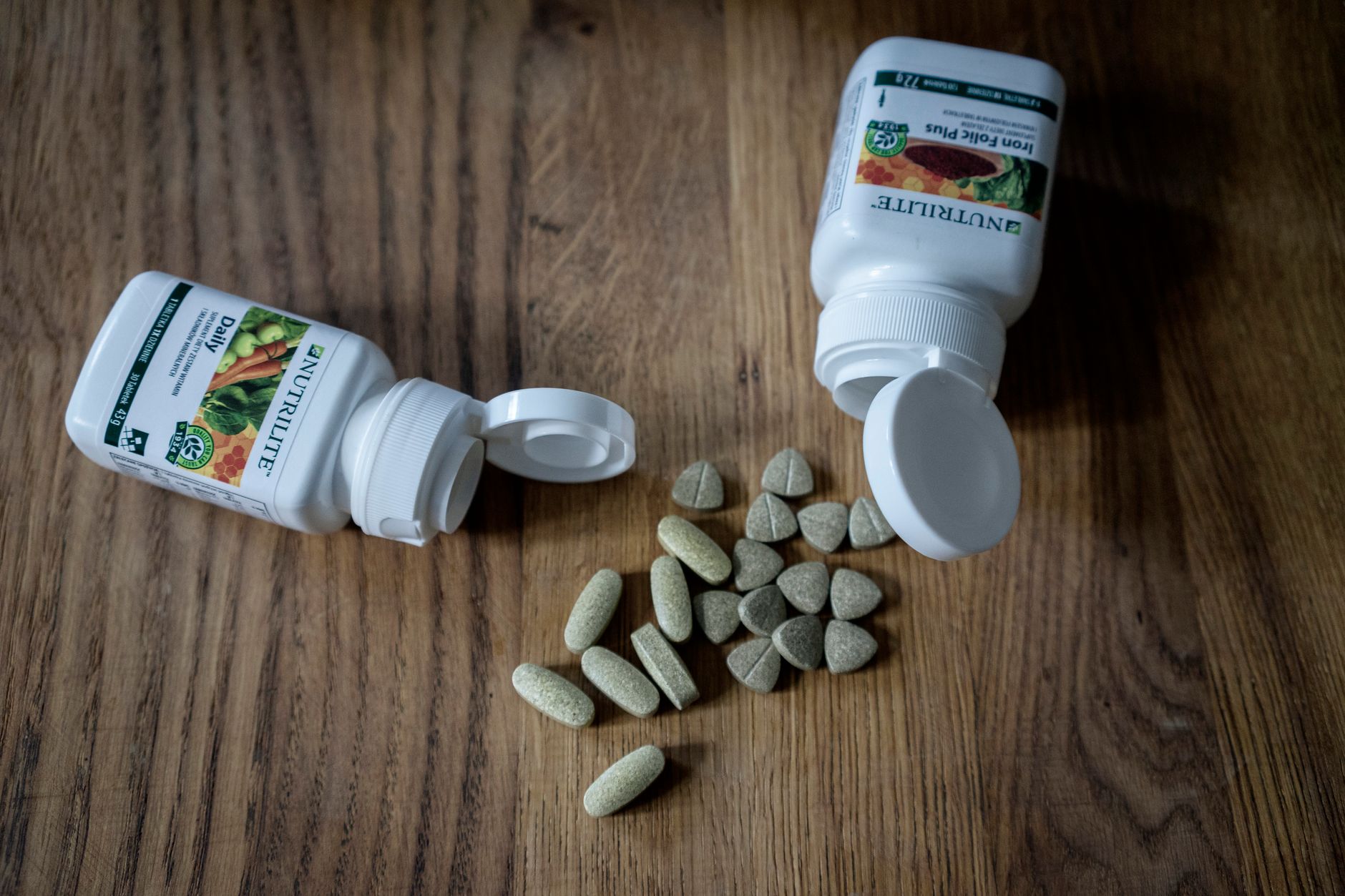
The global nutraceutical industry has witnessed remarkable growth in recent years, with consumers increasingly turning to dietary supplements, functional foods, and herbal products to support their health and wellness goals. A recent partnership between the Organic & Natural Health Association and SHEFEXIL, India's apex body for pharmaceutical exports, signals a strategic move to enhance the supply chain connecting two major players in this expanding market.
Understanding Nutraceuticals
Nutraceuticals are products derived from food sources that provide extra health benefits beyond basic nutritional value. The term combines "nutrition" and "pharmaceutical" to describe items such as dietary supplements, herbal products, functional foods, and fortified beverages. These products have gained tremendous popularity as consumers seek preventive healthcare solutions and natural alternatives to conventional medicines.
India has emerged as a significant player in the global nutraceutical market, leveraging its rich heritage of Ayurveda, abundant natural resources, and robust pharmaceutical manufacturing capabilities. The country exports a wide range of nutraceutical ingredients and finished products, including herbal extracts, vitamins, minerals, and probiotics.
The Significance of This Partnership
This collaboration comes at a crucial time when global supply chains face ongoing challenges from geopolitical tensions, quality control concerns, and the need for sustainable sourcing practices. By bringing together American industry standards and Indian manufacturing expertise, the partnership aims to create a more reliable and transparent supply chain.
For Indian manufacturers, this alliance offers several potential advantages:
- Access to the lucrative US market with better understanding of regulatory requirements
- Opportunities to align with international quality standards and certifications
- Enhanced credibility through association with established American industry bodies
- Potential for technology transfer and best practices sharing
American businesses and consumers may also benefit from this strengthened relationship through improved access to cost-effective, high-quality nutraceutical ingredients and products sourced from India.
Market Dynamics Driving Collaboration
The nutraceutical market in the United States is one of the world's largest, with consumers spending billions of dollars annually on supplements and functional foods. However, many ingredients and products are sourced internationally, making supply chain reliability essential for businesses operating in this space.
India's pharmaceutical and nutraceutical sectors have built strong manufacturing capabilities over decades, with many facilities meeting international standards such as Good Manufacturing Practices (GMP) and various organic certifications. The country's traditional knowledge systems, particularly Ayurveda, also provide unique ingredients like turmeric, ashwagandha, and holy basil that have gained global popularity.
Quality and Regulatory Considerations
One of the primary focus areas for such partnerships involves ensuring quality control and regulatory compliance. The US Food and Drug Administration maintains strict guidelines for dietary supplements, requiring proper labeling, safety standards, and manufacturing practices. Indian exporters must navigate these requirements while maintaining competitive pricing.
This collaboration likely emphasizes harmonizing quality standards, facilitating regulatory compliance, and potentially streamlining certification processes. Such efforts can reduce barriers to trade while ensuring consumer safety and product efficacy.
Future Implications for Consumers
For the average Indian consumer interested in health and wellness, this partnership reflects broader trends in the nutraceutical industry. As international standards become more aligned, domestic products may also benefit from improved quality controls and manufacturing practices.
The growing emphasis on natural and organic products in both markets creates opportunities for innovation in traditional Indian ingredients. Companies that successfully navigate international markets often bring enhanced capabilities back to their domestic operations, potentially improving product quality and variety available to Indian consumers.
Sustainability and Ethical Sourcing
Modern consumers in both countries increasingly demand transparency about product origins and environmental impact. Partnerships that emphasize sustainable sourcing of botanical ingredients, fair trade practices, and environmental stewardship align with these values. India's diverse agricultural base and traditional farming practices can support sustainable ingredient production when properly managed and certified.
This collaboration may encourage more Indian producers to adopt organic farming practices and obtain relevant certifications, benefiting both export opportunities and domestic agricultural sustainability.
This article is for general informational purposes only and should not be considered medical or business advice. Readers should consult qualified healthcare professionals before starting any supplement regimen and conduct thorough due diligence before making business or investment decisions in the nutraceutical sector.