India's home decor industry has emerged as one of the most dynamic sectors in the country's consumer market, reflecting the aspirations of a growing middle class and evolving lifestyle preferences. With rapid urbanization, increased disposable incomes, and a surge in home ownership, Indians are investing more than ever in making their living spaces aesthetic, functional, and personalized.
Market Size and Growth Trajectory
The Indian home decor market has been growing at an impressive pace, with industry estimates suggesting a compound annual growth rate of approximately 15-20 percent over the next several years. The market encompasses everything from furniture and furnishings to decorative items, lighting solutions, wall art, and soft furnishings like curtains and cushions.
Several factors contribute to this expansion. The real estate boom, particularly in tier-2 and tier-3 cities, has created enormous demand for home furnishing products. Additionally, the pandemic-induced work-from-home culture has made people more conscious about their living environments, leading to increased spending on home improvement and decor.
Key Trends Reshaping the Industry
### Sustainable and Eco-Friendly Products
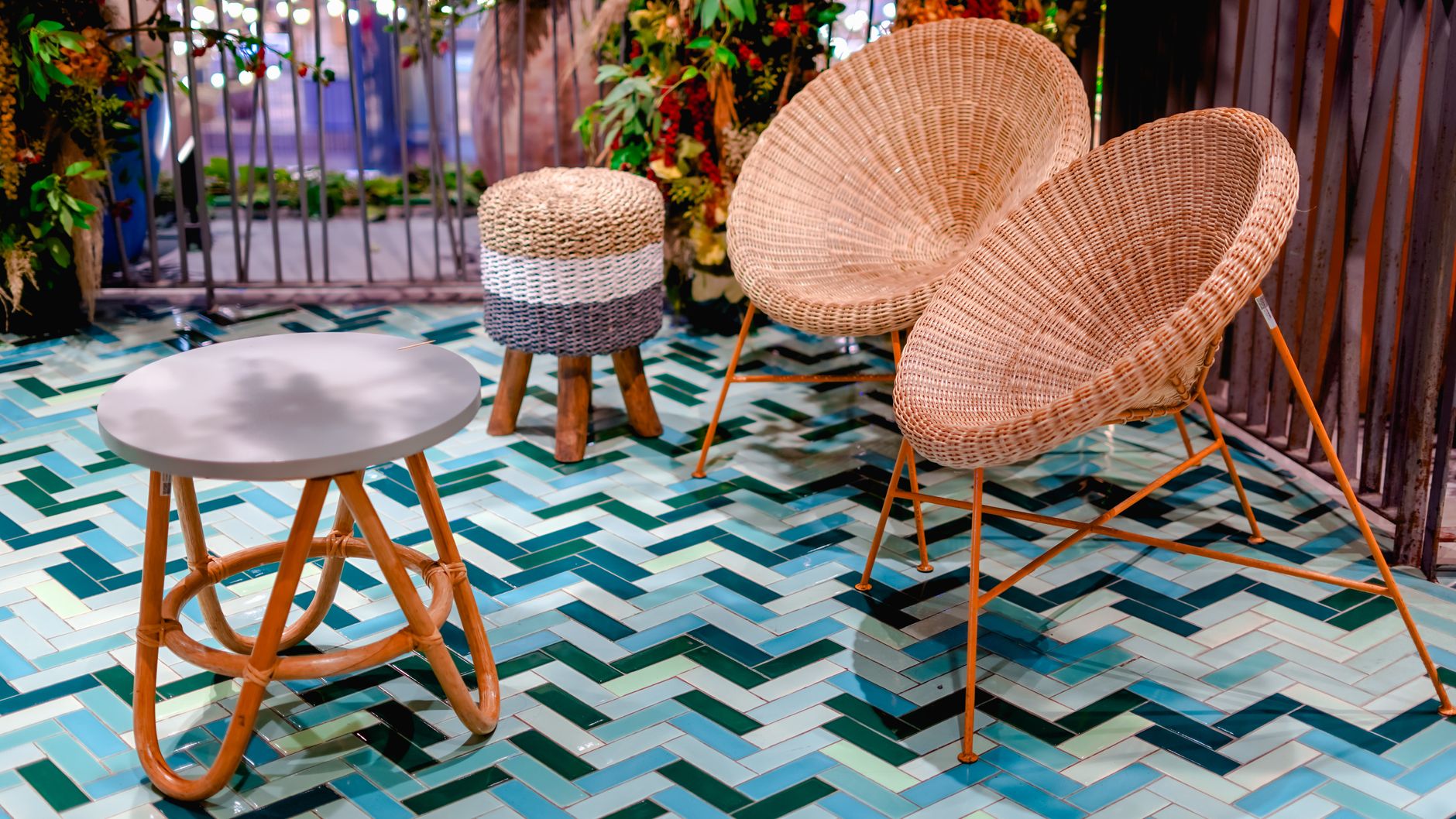
Consumers are increasingly gravitating toward sustainable, eco-friendly home decor options. Products made from recycled materials, organic fabrics, and natural fibers are gaining traction. Brands that emphasize their environmental credentials and ethical sourcing practices are finding favor with conscious consumers, particularly millennials and Gen Z buyers.
### Fusion of Traditional and Contemporary Styles
Indian consumers are embracing a unique blend of traditional craftsmanship with modern aesthetics. There's growing appreciation for handcrafted items, ethnic textiles, and artisanal products that tell a story while fitting into contemporary home designs. This fusion approach allows homeowners to celebrate their cultural heritage while maintaining modern sensibilities.
### Technology Integration
Smart home technology is making inroads into the decor segment. Voice-activated lighting systems, automated curtains, and IoT-enabled furniture are becoming more accessible. Technology is also transforming the shopping experience, with augmented reality apps allowing customers to visualize products in their homes before purchasing.
### Minimalism and Multifunctional Design
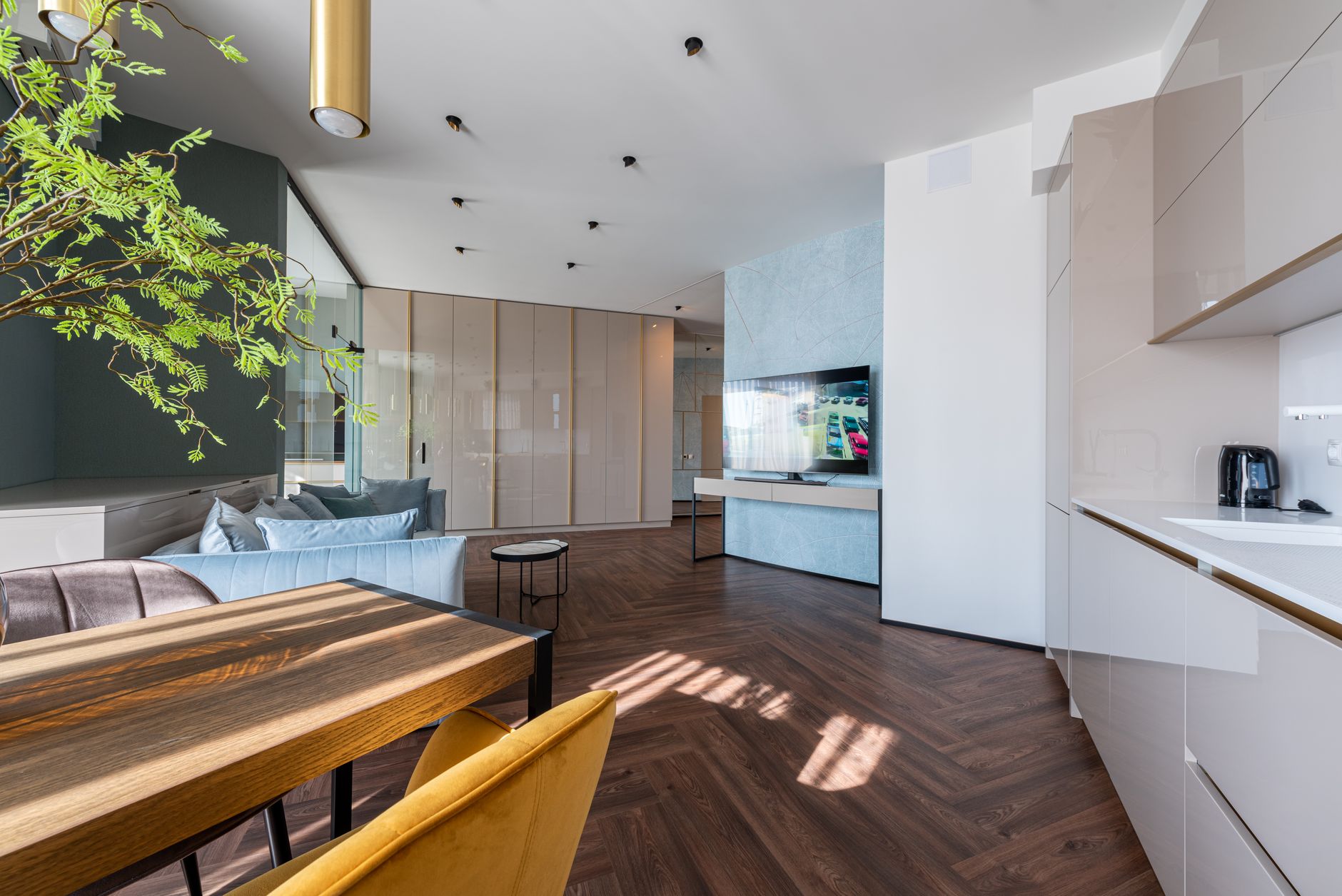
Space constraints in urban apartments have popularized minimalist design principles and multifunctional furniture. Consumers seek pieces that serve multiple purposes—storage beds, convertible sofas, and modular shelving systems—that maximize utility without compromising on aesthetics.
Emerging Opportunities
### E-commerce Expansion
Online platforms have revolutionized how Indians shop for home decor. E-commerce has democratized access to diverse products, from premium designer pieces to budget-friendly options. The convenience of doorstep delivery, easy returns, and virtual design consultations has made online shopping the preferred channel for many consumers.
- Direct-to-consumer brands are bypassing traditional retail to offer competitive pricing
- Social commerce through Instagram and Pinterest is driving discovery and purchases
- Virtual interior design services are helping customers make informed decisions
### Regional Market Penetration
While metro cities have traditionally dominated the home decor market, tier-2 and tier-3 cities represent significant untapped potential. As these regions experience economic growth and improved internet connectivity, they're becoming attractive targets for brands looking to expand their footprint.
### Rental and Subscription Models
Innovative business models are emerging to cater to young professionals and frequent movers. Furniture rental services and decor subscription boxes allow customers to refresh their spaces without significant upfront investment, appealing to those who value flexibility and variety.
### Customization and Personalization
Consumers increasingly seek unique, personalized products that reflect their individual tastes. Brands offering customization services—whether custom-colored furniture, personalized wall art, or made-to-measure curtains—are capturing premium market segments willing to pay more for exclusivity.
Challenges and Considerations
Despite the promising outlook, the industry faces challenges including fragmented supply chains, quality control issues, and intense competition. Rising raw material costs and logistics complexities can impact pricing and margins. Additionally, building consumer trust in online purchases of high-value items remains an ongoing challenge.
However, the overall trajectory remains positive. Government initiatives supporting handicrafts, the 'Make in India' campaign, and increased export opportunities further bolster the sector's prospects.
For entrepreneurs, investors, and established players, India's home decor industry presents a compelling opportunity landscape characterized by evolving consumer preferences, technological innovation, and expanding market reach across diverse demographic segments.