The modern Indian home is undergoing a fascinating transformation. No longer content with simply copying Western design templates or sticking strictly to traditional motifs, homeowners and interior designers across the country are crafting spaces that thoughtfully merge global aesthetics with distinctly Indian sensibilities. This hybrid approach is redefining what contemporary Indian living looks like.
The Rise of Cultural Fusion in Interior Design
The globalisation of design inspiration through social media platforms and international travel has exposed Indian consumers to Scandinavian minimalism, Japanese wabi-sabi, Mediterranean warmth, and industrial chic. However, rather than adopting these styles wholesale, discerning homeowners are selecting elements that resonate with their lifestyle while incorporating local materials, traditional craftsmanship, and cultural symbols.
This trend reflects a growing confidence in Indian design identity. Young professionals and families want homes that feel modern and internationally current, yet grounded in the textures, colours, and craftsmanship of their heritage.
Key Elements of the Hybrid Indian Home
The thoughtfully hybrid home typically features several distinctive characteristics that set it apart from purely traditional or completely Western-inspired spaces.
- Clean, minimalist lines borrowed from Scandinavian design combined with vibrant Indian textiles and art
- Open floor plans typical of contemporary Western homes adapted to include traditional prayer rooms or puja spaces
- Neutral colour palettes accented with bold Indian colours like deep reds, indigos, and golds
- Handcrafted Indian furniture pieces mixed with sleek, modern European-style furnishings
- Traditional jali screens reimagined as contemporary room dividers or decorative wall features
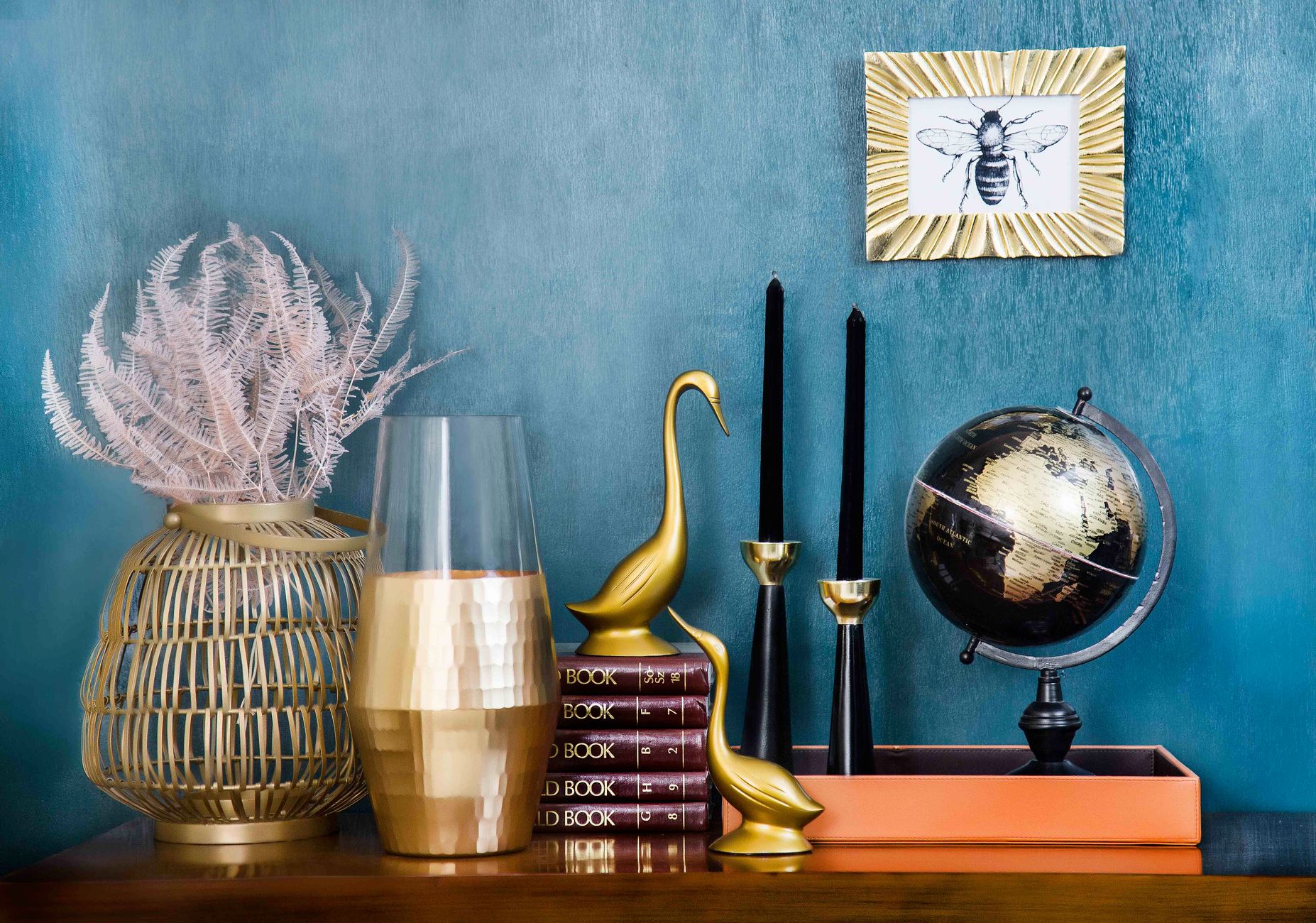
- Vintage Indian artefacts displayed as focal points in otherwise minimalist spaces
Sustainability Meets Tradition
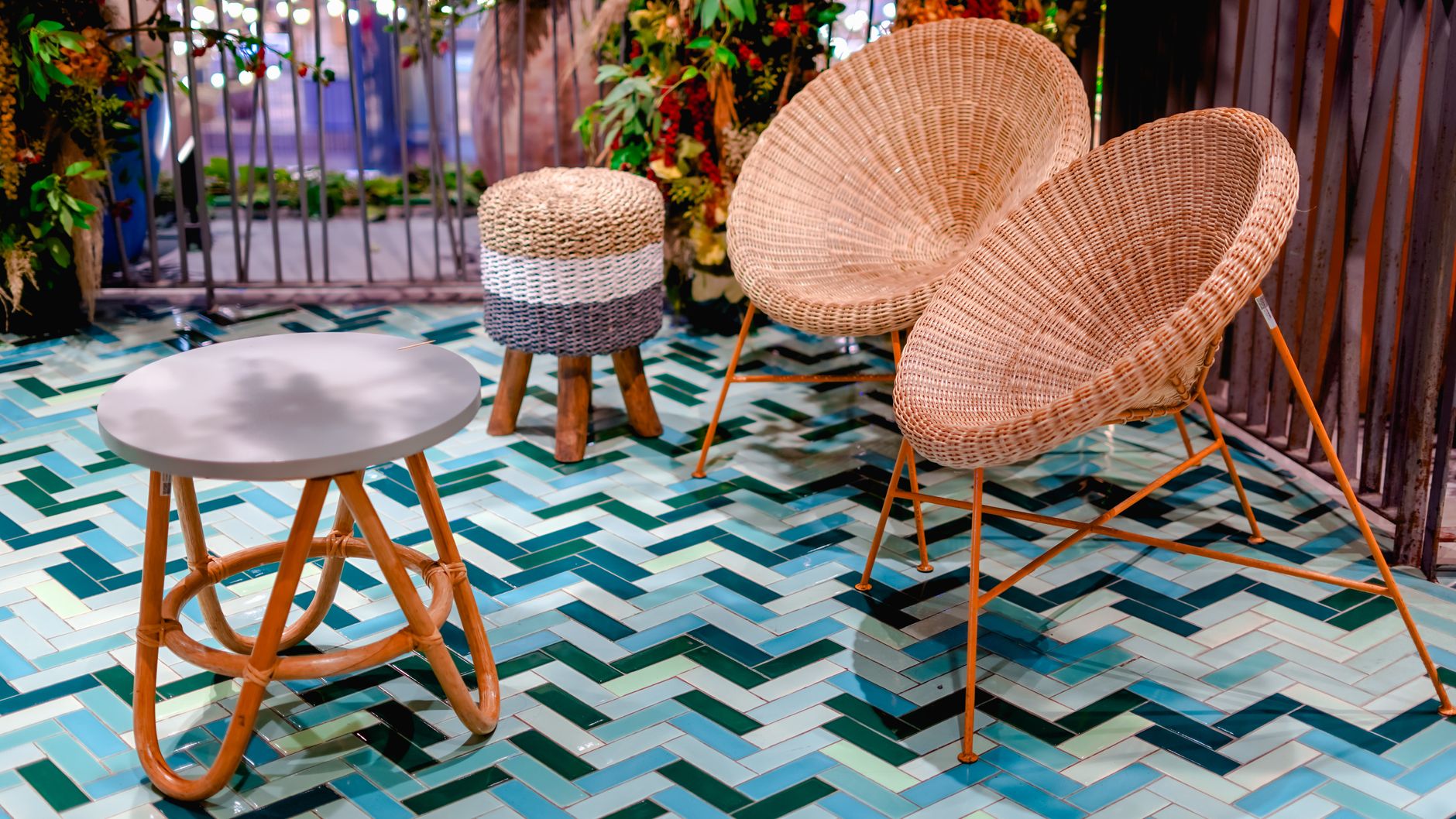
One particularly strong trend is the intersection of global sustainability movements with India's long tradition of natural, locally sourced materials. Homeowners are rediscovering materials like terracotta, cane, jute, bamboo, and reclaimed wood, which align perfectly with both traditional Indian aesthetics and contemporary eco-conscious design principles.
Artisanal crafts such as block printing, hand-woven textiles, pottery, and metalwork are being celebrated not just as cultural heritage but as sustainable alternatives to mass-produced décor. This has created new opportunities for traditional craftspeople while giving homes unique, meaningful character.
Regional Variations in Hybrid Design
The hybrid home movement manifests differently across Indian regions. In metropolitan areas like Mumbai and Bangalore, the fusion tends toward sleek, space-efficient designs with subtle traditional accents. In cities like Jaipur or Ahmedabad, the traditional elements might be more pronounced, with contemporary styling providing a fresh framework for showcasing local craft heritage.
Coastal regions are incorporating tropical, resort-style elements from Balinese and Mediterranean design while using traditional Kerala woodwork or Goan Portuguese-inspired tiles. Northern homes might blend Mughal architectural influences with contemporary luxury aesthetics.
The Role of Technology and Smart Homes
Indian hybrid homes are also integrating smart home technology in ways that complement rather than clash with traditional aesthetics. Concealed lighting systems highlight traditional artwork, voice-controlled systems are disguised within handcrafted wooden panels, and climate control supports the preservation of antique textiles and furniture.
This seamless integration of technology demonstrates that the hybrid approach isn't about choosing between old and new, but about thoughtfully combining the best of both worlds.
Challenges and Considerations
Creating a successfully hybrid space requires careful balance. Too many competing elements can make a space feel chaotic rather than curated. Interior designers recommend choosing one or two global influences to blend with Indian elements, maintaining a consistent colour palette, and ensuring that each piece in a room has intentional placement.
Budget is another consideration, as authentic handcrafted items and custom fusion furniture often cost more than mass-produced alternatives. However, many homeowners find that investing in fewer, higher-quality hybrid pieces creates more impact than filling spaces with inexpensive items.
The Future of Indian Home Design
As Indian design confidence continues to grow, we can expect even more innovative fusions. The next generation of homeowners views their cultural heritage not as something to hide in pursuit of modernity, but as a unique advantage that makes their homes stand out in an increasingly homogenised global design landscape.
The thoughtfully hybrid home represents more than just an aesthetic choice. It reflects a generation comfortable with multiple identities, proud of their roots, and excited about global possibilities. These spaces tell stories of where families have been and where they're going, creating homes that are truly personal and distinctly Indian, yet globally aware.