The home decor industry in India is experiencing a remarkable transformation as consumer preferences evolve and global trends merge with local aesthetics. As we look toward 2026, retailers and online sellers need to understand which products will resonate with Indian homeowners who are increasingly investing in creating personalized, functional, and aesthetically pleasing living spaces.
Sustainable and Natural Materials Take Center Stage
Environmental consciousness is no longer a niche concern but a mainstream priority. Indian consumers are actively seeking home decor items made from sustainable, eco-friendly materials. Bamboo furniture, jute accessories, terracotta planters, and reclaimed wood pieces are experiencing unprecedented demand. Retailers should focus on sourcing products that highlight their environmental credentials, from manufacturing processes to packaging materials.
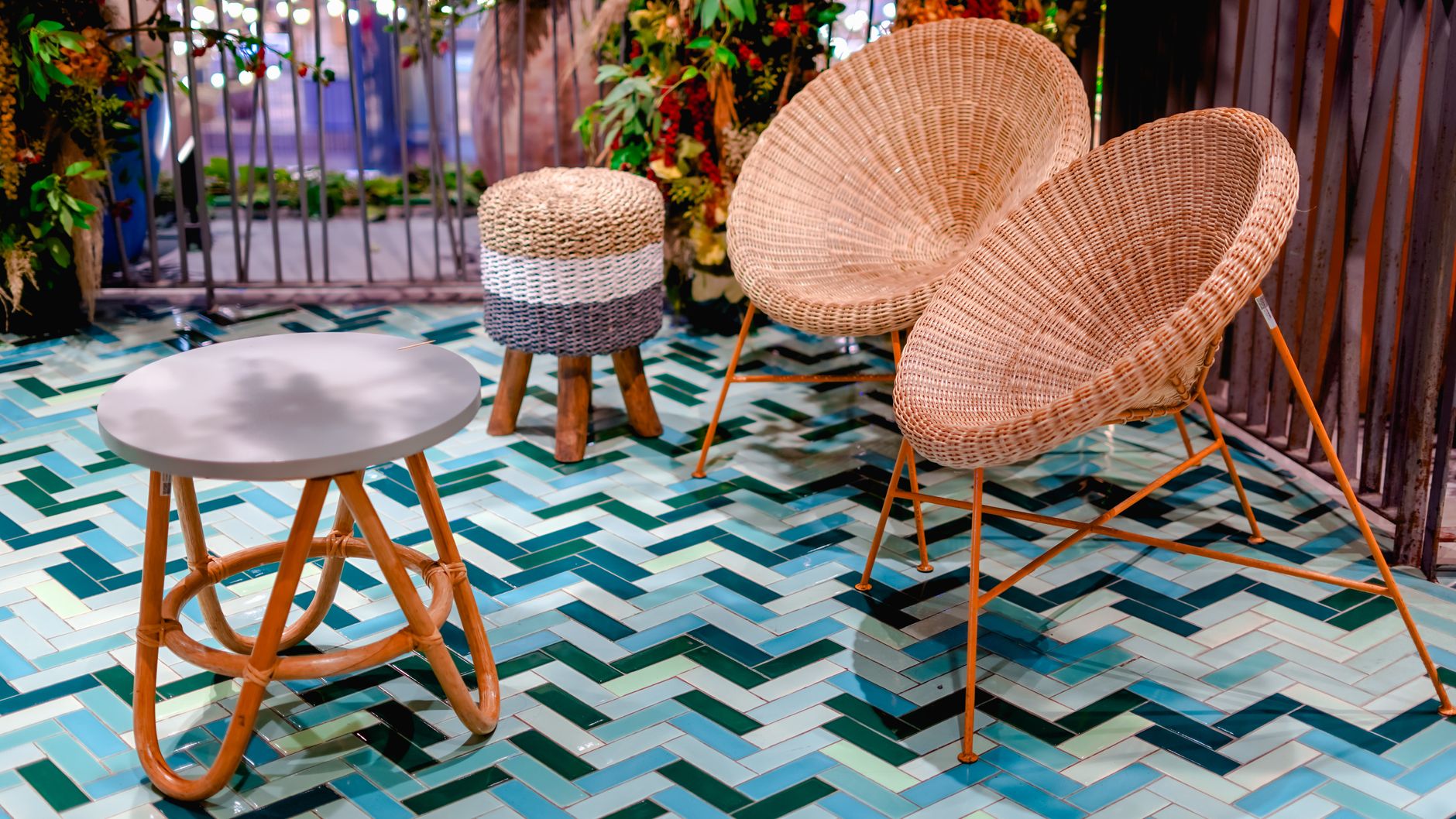
Natural fibers like rattan, cane, and seagrass are making strong comebacks in contemporary Indian homes. These materials offer the dual benefit of sustainability and aesthetic appeal, fitting seamlessly into both traditional and modern interior designs. Products like handwoven baskets, rattan chairs, and seagrass storage solutions present excellent opportunities for sellers.
Maximalism Returns with Indian Flair
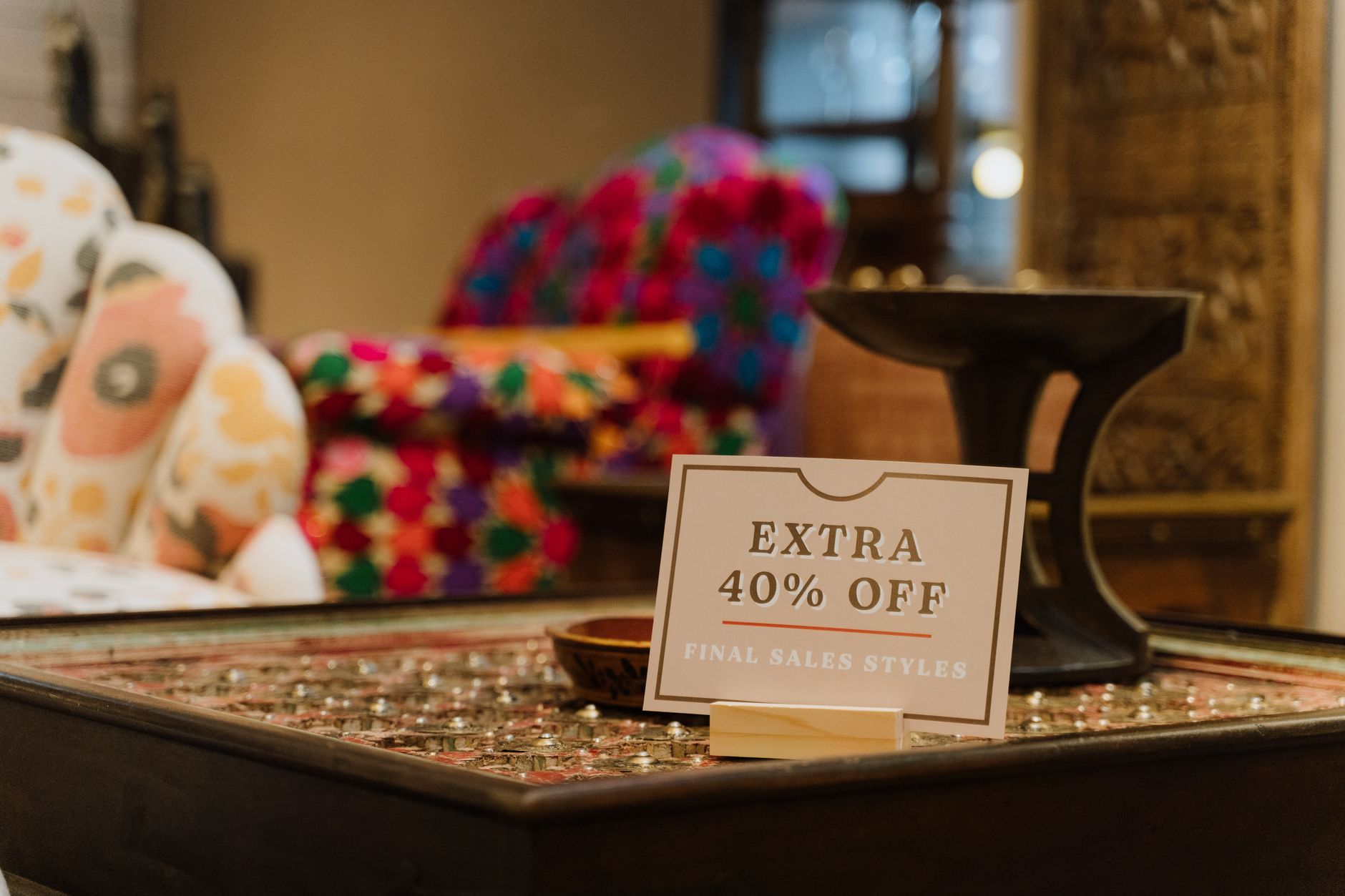
After years of minimalist dominance, maximalism is making a bold return, particularly in the Indian context where vibrant colors and intricate patterns have always been part of the cultural DNA. Expect demand for richly patterned cushions, ornate wall hangings, and colorful tapestries that celebrate traditional Indian craftsmanship while incorporating contemporary design elements.
Layered textiles, mixed patterns, and bold color combinations are becoming acceptable and even desirable. Items like block-printed bedspreads, embroidered curtains, and hand-painted ceramic vases allow homeowners to express personality and cultural pride through their decor choices.
Multi-functional Furniture for Compact Living
As urban living spaces in Indian cities remain constrained, multi-functional furniture continues to be a practical necessity. The 2026 market will see strong demand for innovative pieces that serve multiple purposes without compromising on style.
Consider stocking items such as:
- Ottoman storage units that double as seating
- Expandable dining tables for small apartments
- Sofa-cum-beds with modern designs
- Wall-mounted folding desks for home offices
- Modular shelving systems that adapt to different spaces
Technology-Integrated Home Accessories
Smart home technology is becoming more accessible and affordable for middle-class Indian families. Home decor items that integrate technology seamlessly are positioned for growth. This includes voice-activated lighting fixtures, smart planters with automated watering systems, digital photo frames, and ambient lighting solutions controlled via smartphone apps.
However, the key is subtlety—consumers want technology that enhances their living space without dominating the aesthetic. Products that blend smart features with attractive designs will outperform purely functional tech items.
Artisan and Handcrafted Products
There's a growing appreciation for handcrafted, artisanal products that tell a story. Indian consumers are willing to pay premium prices for authentic, handmade items that support local craftspeople and preserve traditional techniques. Madhubani paintings, Warli art, Kalamkari textiles, and hand-carved wooden sculptures are experiencing renewed interest.
Retailers should highlight the provenance and craftsmanship of these products, sharing stories about the artisans and regions where items are created. This narrative adds value and justifies higher price points.
Biophilic Design Elements
Bringing nature indoors remains a dominant trend. Beyond simple potted plants, consumers are seeking elaborate indoor gardens, vertical plant walls, and sophisticated planters that make bold design statements. Terrariums, kokedama (moss ball) plant arrangements, and self-watering planter systems appeal to urban dwellers wanting greenery without extensive maintenance.
Complementary products like decorative watering cans, plant stands in brass or copper finishes, and macramé plant hangers also present sales opportunities.
Warm Metallics and Earth Tones
Color palettes for 2026 are shifting toward warm, earthy tones—terracotta, ochre, rust, olive green, and warm neutrals. Metallic accents in brass, copper, and bronze are replacing the cooler silvers and chromes of previous years. These warm metallics pair beautifully with traditional Indian aesthetics while feeling contemporary.
Stock items like brass candle holders, copper planters, bronze-finished mirrors, and lighting fixtures in warm metallic tones to capitalize on this trend.
The Bottom Line for Retailers
Success in the 2026 home decor market requires balancing traditional Indian aesthetics with contemporary functionality, sustainability with affordability, and global trends with local preferences. Retailers who curate thoughtful collections addressing these diverse consumer needs while maintaining quality and authenticity will find the most success in this evolving marketplace.