Dubai's property market, which has been on a remarkable upward trajectory since the pandemic recovery, appears to be entering a cooling phase after reaching new heights in early 2025. For Indian investors who have been among the most active foreign buyers in the emirate, understanding these market dynamics is crucial for making informed decisions.
The Meteoric Rise and Recent Slowdown
Dubai's real estate sector experienced unprecedented growth from 2021 through early 2025, fueled by several factors. The emirate's handling of the pandemic, introduction of long-term visa programs, remote work trends, and favourable tax environment attracted wealthy individuals and investors from around the world. Property prices in prime areas surged by double digits annually, with some luxury segments seeing even steeper appreciation.
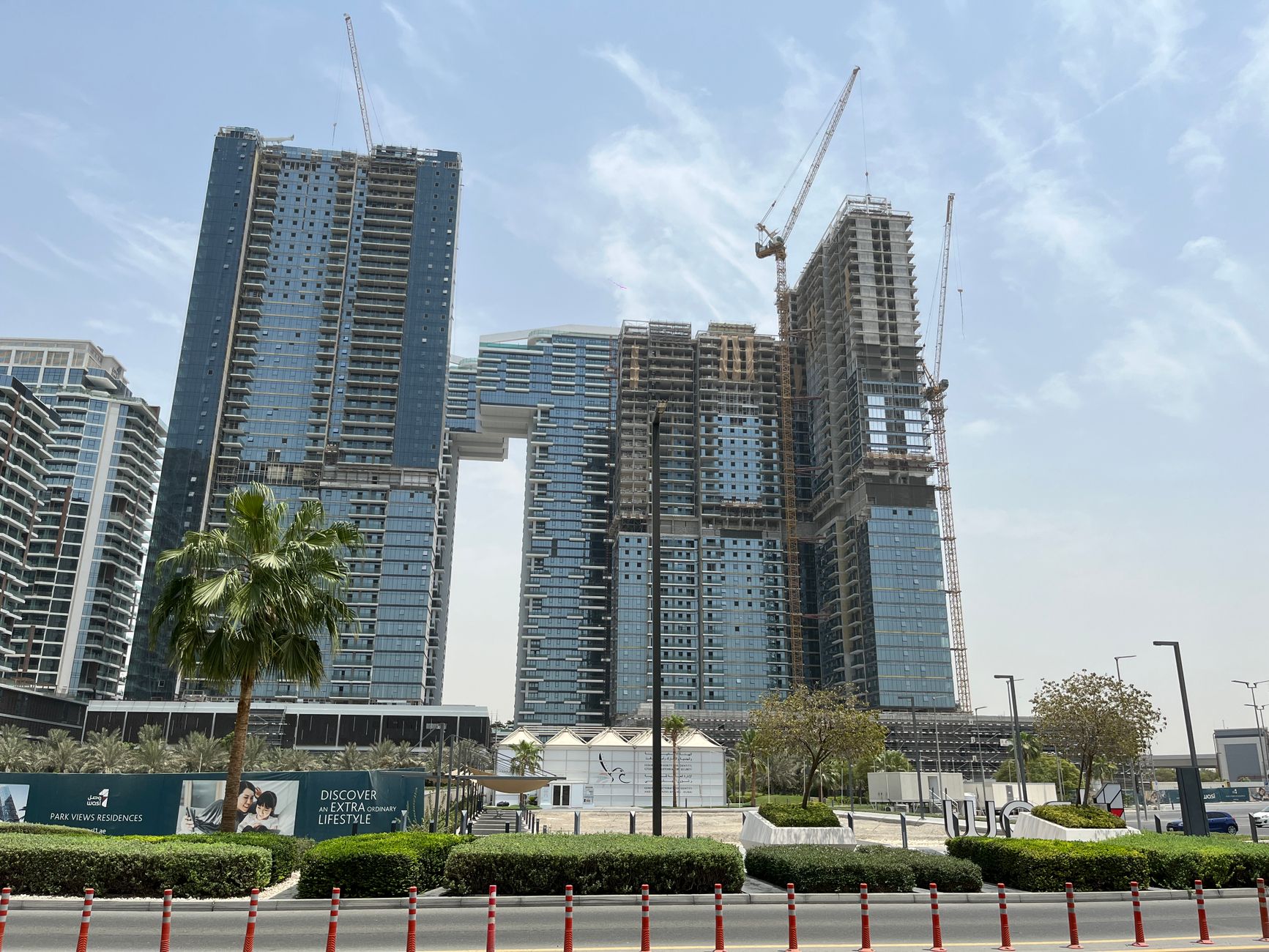
However, recent data suggests this momentum is moderating. Transaction volumes have stabilized, price growth has decelerated, and inventory levels are rising as developers rush to complete projects initiated during the boom years. This doesn't necessarily signal a crash, but rather a market normalization after an extraordinary run.
Factors Behind the Cooling
Several interconnected factors are contributing to the current moderation:
- Rising interest rates globally have made mortgages more expensive, reducing buying power for leveraged purchasers
- Increased supply as developers complete projects announced during the boom, adding thousands of units to the market
- Affordability concerns as prices in popular areas have outpaced income growth
- Global economic uncertainty affecting investor sentiment and capital flows
- Regulatory measures introduced to prevent overheating and ensure sustainable growth
- Currency fluctuations impacting the purchasing power of foreign buyers
What This Means for Indian Investors
Indian nationals have been among the top foreign property buyers in Dubai, attracted by the proximity, cultural familiarity, ease of doing business, and potential returns. The current market shift presents both challenges and opportunities.
For those who bought during the peak, the immediate concern is whether property values will decline. Historically, Dubai's market has been cyclical, with periods of rapid growth followed by corrections. However, the emirate's fundamentals—its position as a global business hub, tourism appeal, and quality of life—remain strong.
Prospective buyers may find this cooling period advantageous. Slower price appreciation means more time for due diligence, better negotiating power, and potentially more reasonable valuations. Developers facing softer demand may offer incentives such as flexible payment plans, reduced down payments, or complimentary upgrades.
Investment Considerations in the Current Climate
Anyone considering Dubai property investment should evaluate several key factors:
Location remains paramount. Areas with strong rental yields, proximity to business districts, and established infrastructure tend to be more resilient during market corrections. Emerging areas may offer better value but carry higher risk.
The supply pipeline is critical. Research upcoming developments in your target area to understand how much new inventory will enter the market, potentially affecting rental yields and capital appreciation.
Rental income potential should be assessed realistically. Dubai's rental market has its own dynamics, and yields vary significantly by property type and location. With increased supply, rental rates may face pressure in certain segments.
Long-Term Outlook
Despite the current cooling, many analysts maintain a cautiously optimistic long-term view of Dubai's property market. The emirate continues to attract businesses and high-net-worth individuals, infrastructure development remains robust, and upcoming events like Expo extensions and global conferences keep the city in the international spotlight.
The government has also shown willingness to introduce supportive policies when needed, from visa reforms to property ownership rules. These interventions can provide market stability and confidence.
The Bigger Picture
Market cycles are normal and healthy for real estate sectors. The current moderation in Dubai may actually prevent the formation of an unsustainable bubble, creating a more stable environment for long-term investment. For Indian investors, the key is understanding that property investment abroad carries currency risk, regulatory differences, and market-specific factors that require thorough research.
This article provides general information about Dubai's real estate market trends and should not be considered as financial or investment advice. Property investment involves significant financial commitment and risk. Readers should conduct thorough due diligence, consult with qualified financial advisors, legal experts, and tax professionals familiar with cross-border property transactions before making any investment decisions. Past performance does not guarantee future results.