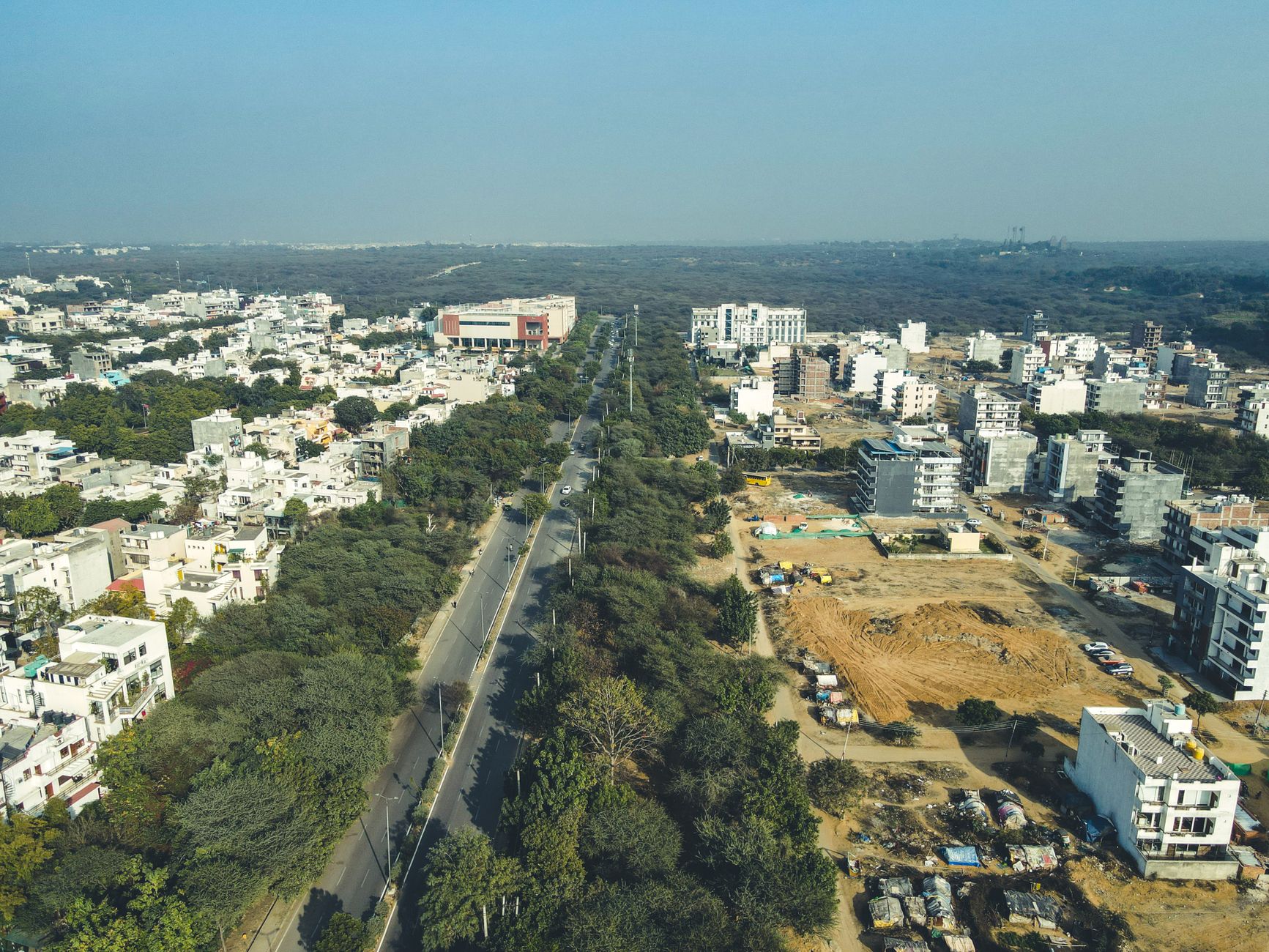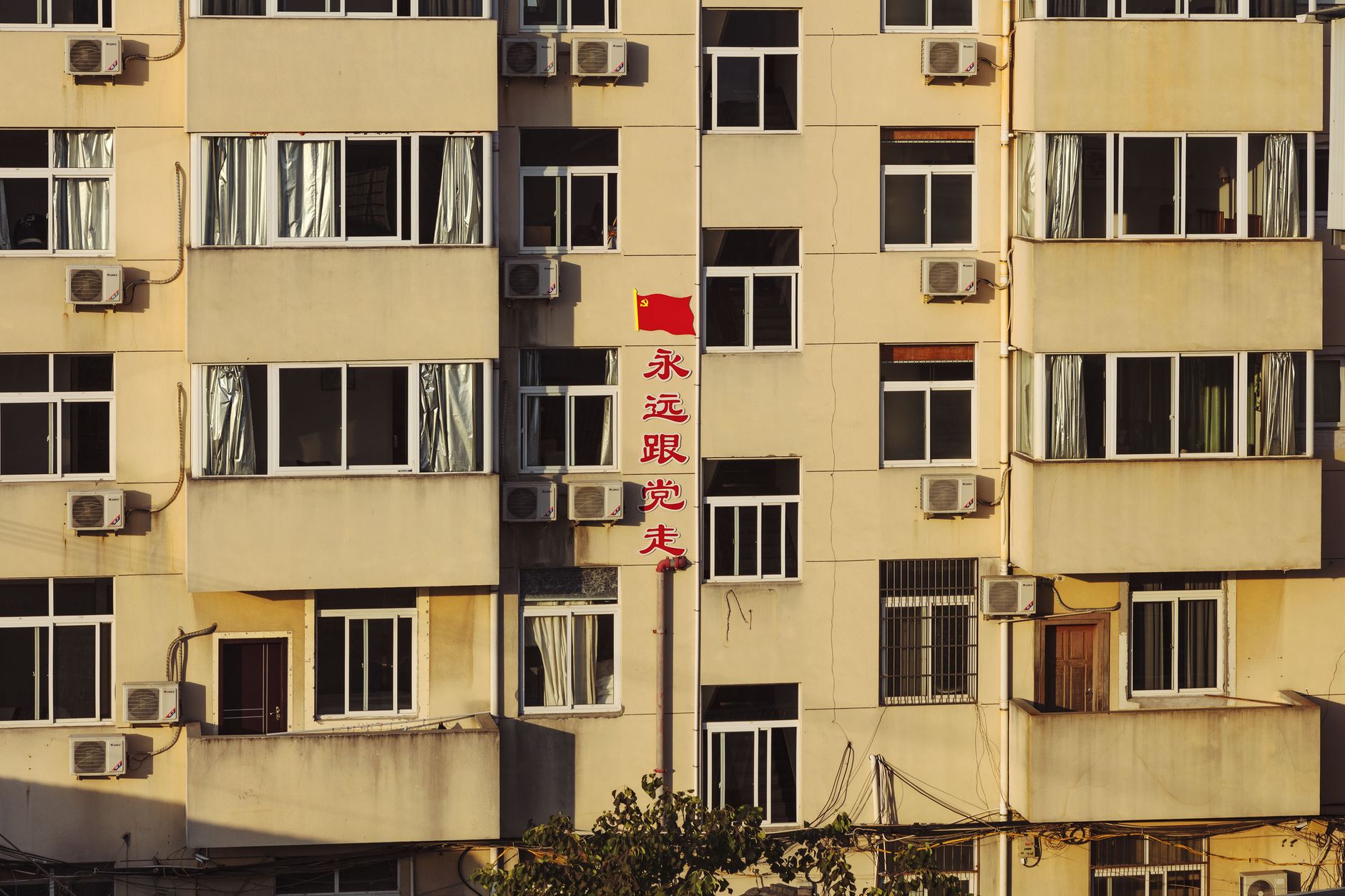
China's property sector, once a symbol of the nation's economic miracle, has experienced a dramatic collapse that has erased approximately two decades of real estate gains. This crisis offers valuable insights for Indian homebuyers and investors who have long viewed property as a safe and profitable investment.
Understanding China's Property Crisis
China's real estate market grew exponentially from the early 2000s, with property prices in major cities increasing by over 400 percent in some cases. However, this growth was built on unsustainable foundations including excessive leverage, speculative buying, and overdevelopment. Major developers like Evergrande and Country Garden accumulated massive debts, and when the government introduced regulations to control borrowing in 2020, the house of cards began to collapse.
The crisis has seen property values plummet, millions of homebuyers stuck with unfinished apartments, and developer defaults totaling hundreds of billions of dollars. Ghost cities with empty apartment complexes stand as monuments to speculation gone wrong.
Why It Happened
Several factors contributed to China's property bubble. First, limited investment options pushed Chinese households to pour up to 70 percent of their wealth into real estate. Second, local governments relied heavily on land sales for revenue, incentivizing continuous development. Third, developers used pre-sales to fund construction, creating a risky model where new projects depended on selling units that didn't yet exist.
Cultural factors also played a role, with property ownership seen as essential for marriage prospects and social status, driving demand beyond rational economic calculations.
Key Lessons for Indian Homebuyers
Indian real estate markets share some similarities with China's pre-crisis environment, making these lessons particularly relevant.
Don't Put All Your Eggs in One Basket
Many Indian families invest disproportionately in real estate, sometimes owning multiple properties while having minimal holdings in stocks, bonds, or other assets. The China crisis demonstrates that even property markets can experience severe, prolonged downturns. Diversification across asset classes provides better protection against market-specific risks.
Be Wary of Speculative Buying
Purchasing property purely for capital appreciation, especially in emerging or peripheral locations, carries significant risk. In China, speculators bought multiple apartments in new developments, assuming prices would always rise. When the market turned, they were left with depreciating assets and ongoing maintenance costs.
Indian buyers should focus on properties they can genuinely use or rent out profitably, rather than banking solely on price appreciation.
Developer Credibility Matters
The collapse of major Chinese developers left millions with unfinished homes and lost savings. Indian homebuyers should thoroughly research developer track records, financial stability, and project completion rates. Buying from established developers with proven delivery capabilities, even at slightly higher prices, reduces the risk of project delays or abandonment.
The Real Estate Regulatory Authority (RERA) in India provides some protection, but buyer diligence remains essential.
Understand Debt Dynamics
Chinese developers and homebuyers both relied heavily on debt, amplifying losses when values fell. Indian buyers should maintain conservative loan-to-value ratios and ensure their EMI payments don't exceed 40 percent of monthly income. This provides a buffer against income disruptions or interest rate increases.
Location Fundamentals Still Matter
Properties in areas with genuine demand drivers like employment hubs, good infrastructure, and established amenities have proven more resilient globally. Avoid far-flung developments marketed primarily on future infrastructure promises that may not materialize.
Government Policy Can Shift Markets
China's regulatory tightening triggered the crisis after years of encouragement. Indian buyers should recognize that government policies on taxation, lending rules, or urban planning can significantly impact property values and should not assume current conditions will persist indefinitely.
The Indian Context
India's property market has different characteristics from China's, including more diverse ownership patterns, less extreme leverage, and RERA protections. However, some markets have shown signs of oversupply, and property price growth has been modest in real terms over the past decade in many cities.
The key takeaway is that real estate, while often a sound long-term investment, is not immune to downturns and should be approached with the same careful analysis applied to any major financial decision.
This article is for general informational purposes only and should not be considered as financial or investment advice. Real estate decisions should be made after consulting with qualified financial advisors and conducting thorough personal research based on individual circumstances.