The fast furniture trend has dominated Indian homes for the past decade, with affordable pieces designed for quick turnover rather than longevity. However, a growing movement toward conscious consumption is shifting how we think about home decor. The concept of "heirloom luxury" emphasizes investing in fewer, better-quality items that can be passed down through generations, combining sustainability with timeless elegance.
Understanding Heirloom Luxury
Heirloom luxury isn't about filling your home with expensive items—it's about choosing pieces with exceptional craftsmanship, timeless design, and materials that age beautifully. These are investments that appreciate in both monetary and sentimental value over time. Think solid wood furniture that develops a richer patina, handwoven textiles that tell stories, or artisan-crafted decor that becomes irreplaceable.
The philosophy aligns perfectly with traditional Indian values of preserving family treasures. Many Indian households already treasure vintage brass lamps, antique wooden chests, or handloom sarees passed down through generations. Extending this mindset to contemporary home furnishing creates spaces with soul and substance.
Key Categories for Heirloom Investment
Furniture That Lasts Generations
Solid wood furniture remains the gold standard for heirloom pieces. Teak, rosewood, sheesham, and mango wood are excellent choices that withstand India's varied climate conditions. Look for traditional joinery techniques like mortise-and-tenon or dovetail joints rather than particle board with screws.
Statement pieces worth the investment include:
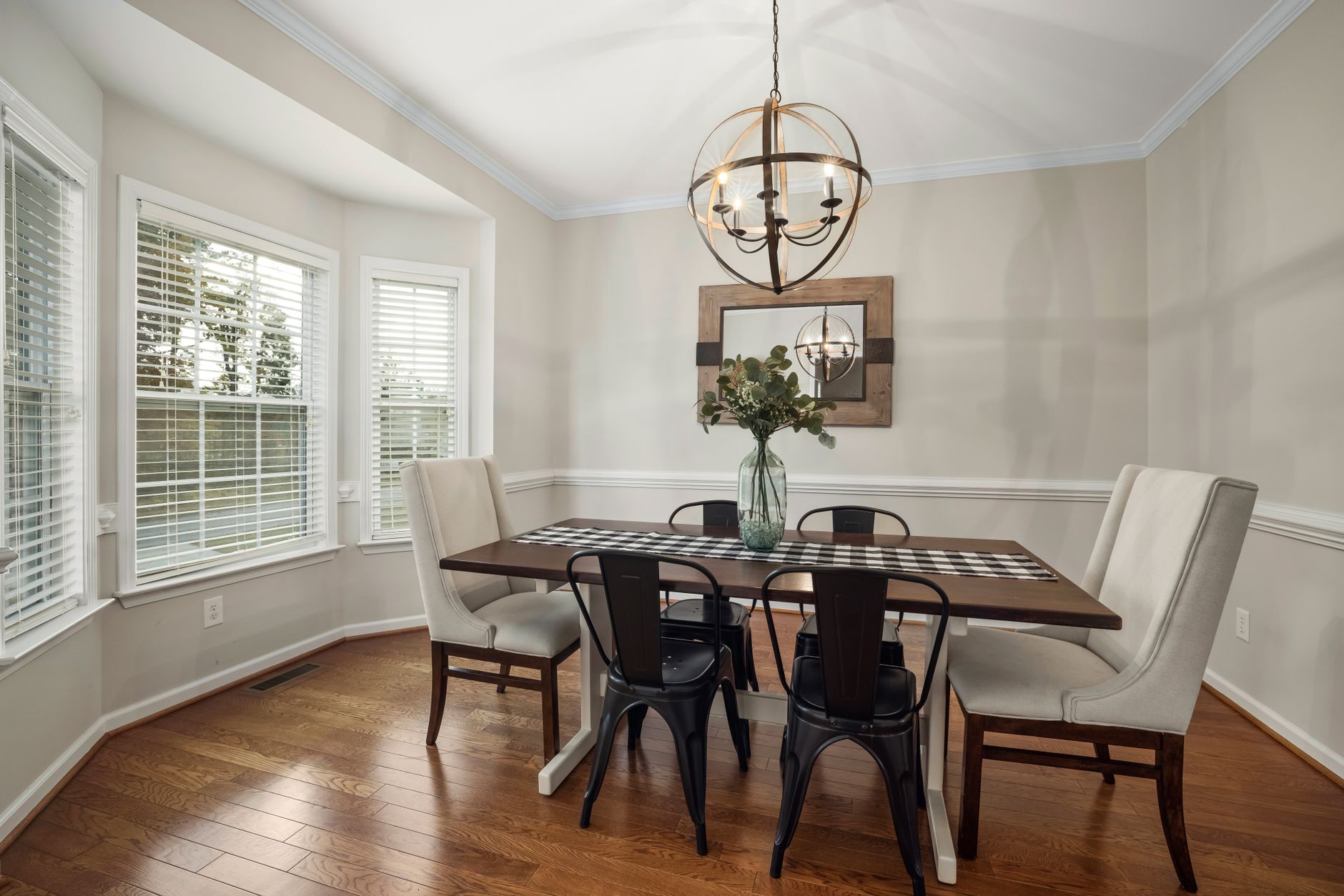
- A substantial dining table that can host family gatherings for decades
- A well-crafted bed frame with classic design elements
- Vintage-style storage cabinets with quality hardware
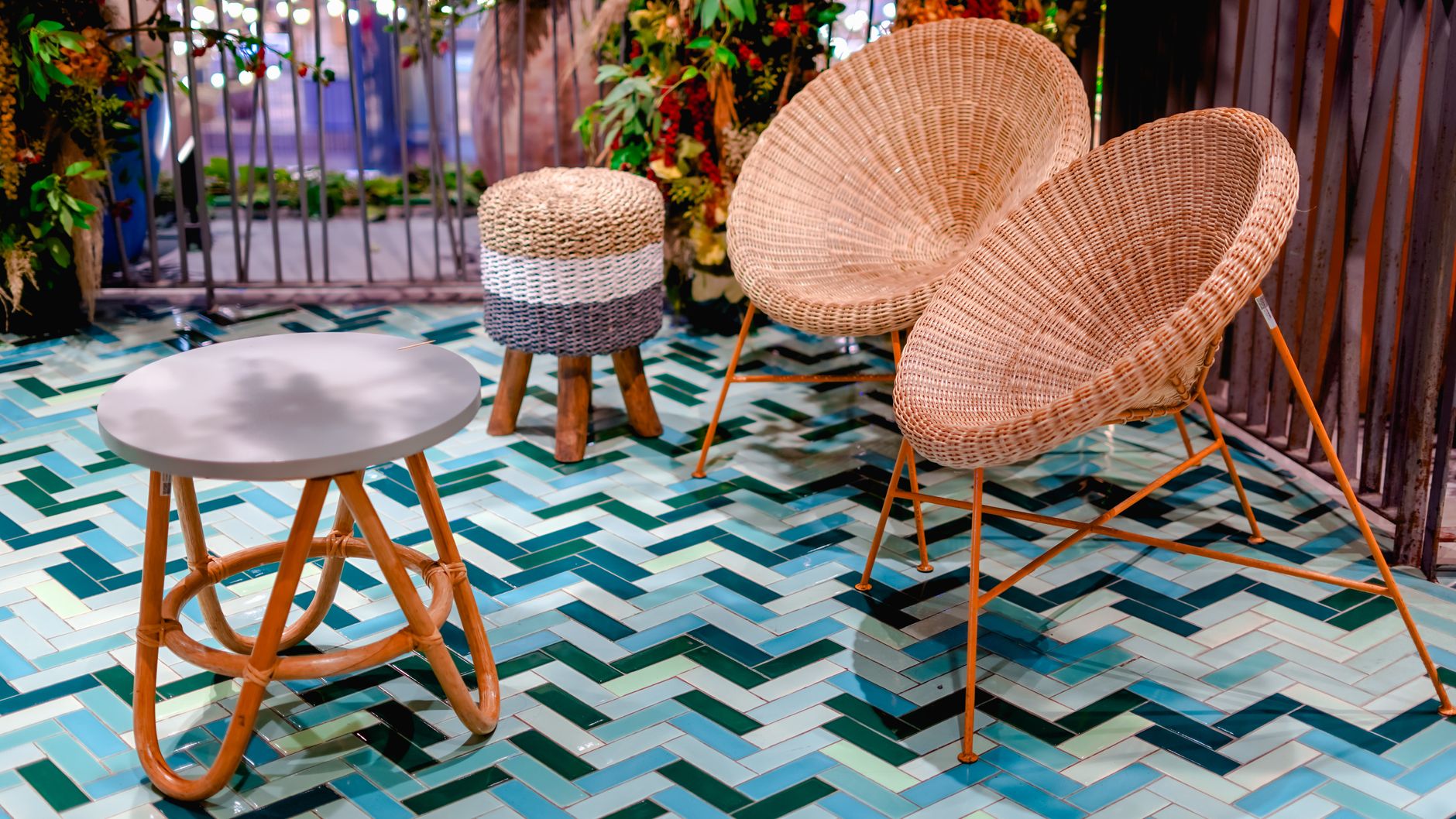
- Handcrafted wooden chairs with timeless silhouettes
Textiles and Soft Furnishings
India's rich textile heritage offers countless opportunities for heirloom-quality soft furnishings. Handwoven fabrics from Maheshwar, Chanderi, or Pochampally not only support artisan communities but also improve with age and careful maintenance.
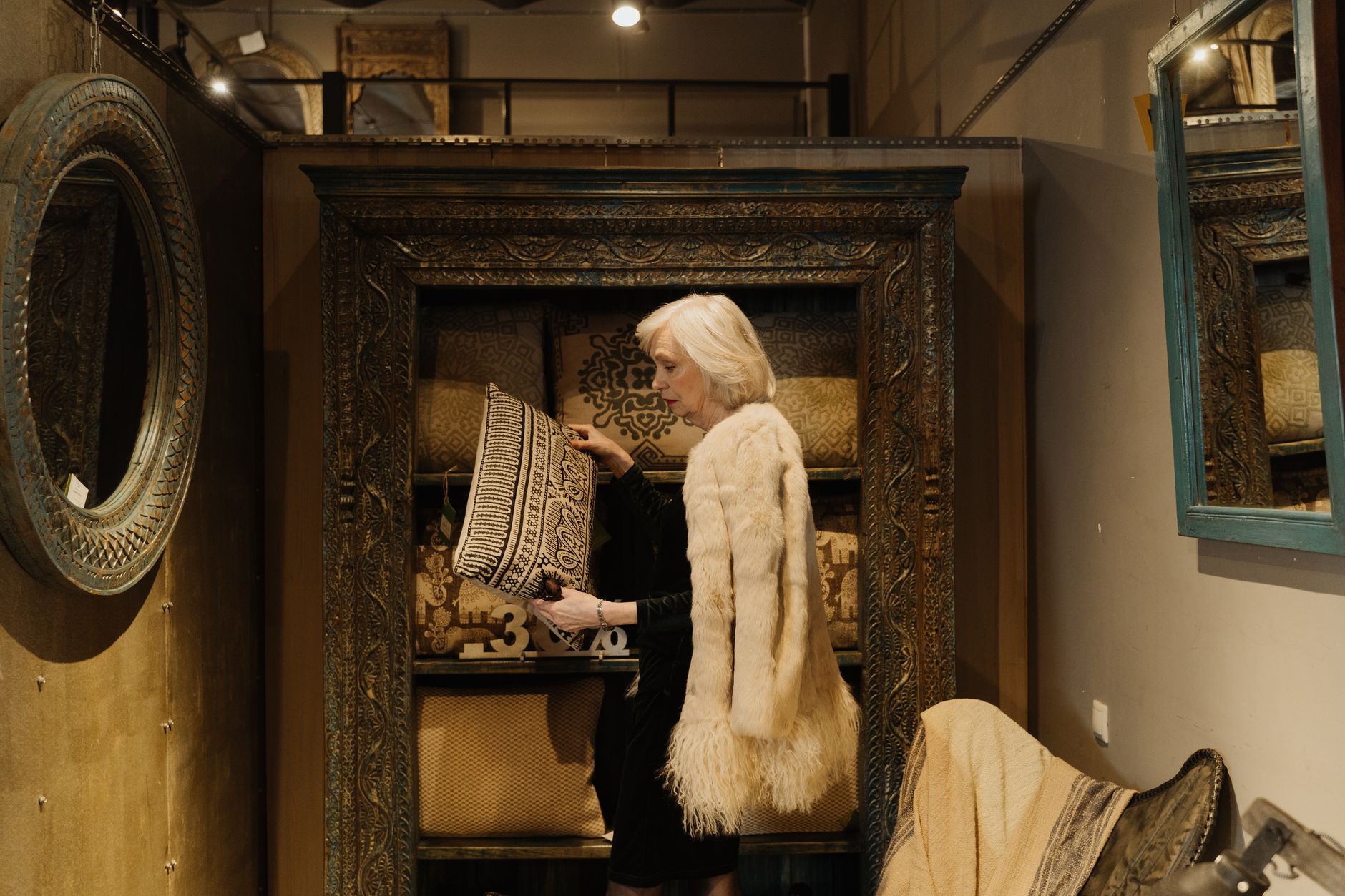
Consider investing in pure linen or cotton curtains with hand-block printing, vintage Pashmina throws, or Kashmiri crewel-work cushions. These pieces add warmth and character while representing centuries-old craft traditions.
Artisan-Crafted Decor
Supporting local artisans while building your collection creates pieces with authentic stories. Blue pottery from Jaipur, Madhubani paintings on canvas, bronze sculptures from Swamimalai, or terracotta items from Gorakhpur carry cultural significance alongside aesthetic appeal.
Unlike mass-produced decor, these handcrafted items possess unique characteristics that make them irreplaceable. Their imperfections become part of their charm and authenticity.
The Financial Case for Quality
While heirloom pieces require higher upfront investment, the long-term economics are compelling. A solid wood dining table costing ₹80,000 might seem expensive compared to a ₹15,000 engineered wood alternative, but the latter typically needs replacement within 5-7 years, while the former can last 50+ years and potentially increase in value.
Quality pieces also reduce environmental impact by eliminating the cycle of disposal and replacement. In an era of growing environmental consciousness, durability itself becomes a luxury.
How to Start Your Heirloom Collection
Begin by identifying gaps in your home where you genuinely need furniture or decor. Research thoroughly—understand materials, construction techniques, and artisan backgrounds. Visit craft fairs, heritage stores, and reputable antique dealers rather than relying solely on commercial furniture chains.
Don't rush the process. Building an heirloom collection is a gradual journey, not a weekend project. It's better to live with empty space temporarily while saving for the right piece than to fill it with something forgettable.
Consider working with interior designers who specialize in timeless design rather than trendy aesthetics. Classic proportions, neutral palettes, and quality materials never go out of style.
Maintaining Your Investment
Heirloom pieces require proper care. Use wood polish and conditioning treatments regularly, protect fabrics from direct sunlight, and address repairs promptly with skilled craftspeople. Document the provenance of special pieces—where they came from, when you acquired them, and any relevant stories. This information adds value for future generations.
The shift toward heirloom luxury represents more than a design trend—it's a return to intentional living, where every object in your home earns its place through beauty, utility, and meaning. In choosing less but better, you create not just a classy home, but a legacy.