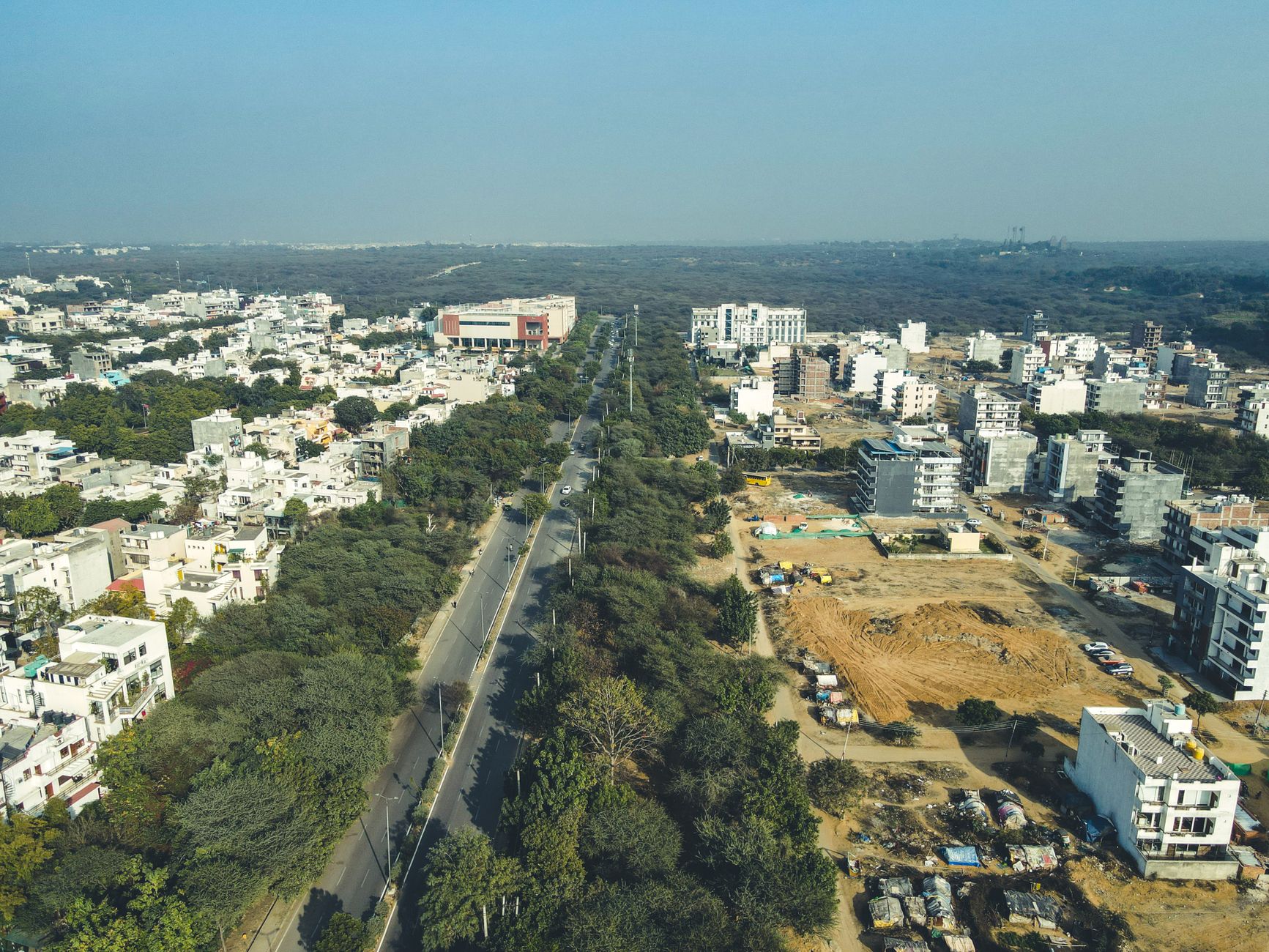
The landscape of India's real estate wealth has witnessed a significant reshuffling, with the Adani family ascending to the pinnacle of the country's property rich list. This development marks a notable transition in an industry traditionally dominated by established real estate developers, signaling the growing diversification of one of India's most prominent business houses.
The Rise of Adani in Real Estate
The Adani Group's journey into real estate represents a strategic diversification from its core businesses in ports, power generation, and renewable energy. Over recent years, the conglomerate has made calculated moves into property development, focusing primarily on commercial real estate, data centers, and integrated township projects. This approach has allowed the family to accumulate substantial real estate holdings that now surpass those of traditional property development giants.
The group's real estate arm has been particularly active in developing commercial spaces near its infrastructure projects, creating synergies between its various business verticals. Additionally, investments in land banks across key metropolitan areas have contributed significantly to the family's overall real estate wealth valuation.
Understanding the Wealth Calculation
Real estate wealth rankings typically consider multiple factors beyond just liquid assets. These assessments include:
- Current market value of land holdings and developed properties
- Portfolio of residential, commercial, and industrial real estate assets
- Ongoing development projects and their projected valuations
- Strategic land reserves in high-growth corridors
- Equity stakes in real estate-focused entities
The methodology often involves evaluating both realized and unrealized gains, making such rankings dynamic and subject to market fluctuations, regulatory changes, and development timelines.
DLF's Position in the Market
DLF, led by Rajiv Singh, has long been synonymous with Indian real estate development. The company pioneered large-scale residential and commercial developments, particularly in the National Capital Region. DLF's Cyber City in Gurgaon remains one of India's premier office destinations, housing numerous multinational corporations.
Despite being overtaken in the wealth rankings, DLF continues to maintain a strong operational presence in the real estate sector with ongoing projects and a substantial rental portfolio. The company has also been focusing on reducing debt and strengthening its balance sheet in recent years, which may impact how wealth is calculated versus the Adani Group's asset-heavy expansion model.
Implications for India's Real Estate Sector
This shift at the top of the real estate rich list reflects broader trends in Indian real estate. The sector is increasingly attracting large conglomerates with diversified business interests who can leverage synergies across industries. The entry of well-capitalized business groups has brought fresh capital, modern management practices, and innovative development models to the real estate sector.
The consolidation trend also indicates that real estate development is becoming more capital-intensive and integrated with other infrastructure sectors. Projects today often require substantial upfront investment, access to financing, and the ability to navigate complex regulatory environments—advantages that large conglomerates typically possess.
Challenges and Opportunities Ahead
India's real estate sector faces several headwinds and tailwinds simultaneously. Opportunities include:
- Growing demand for Grade A commercial spaces driven by technology and services sectors
- Urbanization creating need for integrated townships and residential projects
- Government infrastructure spending boosting peripheral real estate values
- Rising interest in warehouse and logistics real estate due to e-commerce growth
However, challenges persist in the form of regulatory complexities, funding constraints for mid-sized developers, and cyclical demand patterns that can affect profitability.
What This Means for Investors and Homebuyers
For investors and homebuyers, the emergence of large conglomerates in real estate can be a double-edged sword. On one hand, well-capitalized developers offer greater project completion certainty and adherence to timelines. On the other, the concentration of wealth and market power raises questions about competition and pricing dynamics in specific markets.
Buyers should continue to conduct thorough due diligence on projects regardless of the developer's brand name, examining project approvals, construction timelines, and track records. The financial strength of a developer, while important, should be just one factor in purchase decisions.
The real estate rich list's new hierarchy underscores the evolving nature of India's property development landscape, where traditional boundaries between sectors are blurring and diversified conglomerates are reshaping industry dynamics.
This article is for general informational purposes only and should not be construed as financial or investment advice. Readers should conduct their own research and consult with qualified professionals before making any real estate investment decisions.