As we move deeper into 2026, Indian homeowners are embracing a fresh wave of interior design trends that blend global aesthetics with local sensibilities. Whether you're planning a complete home makeover or simply looking to refresh a few spaces, understanding these emerging trends can help you create a home that feels both contemporary and timeless.
Biophilic Design Takes Centre Stage
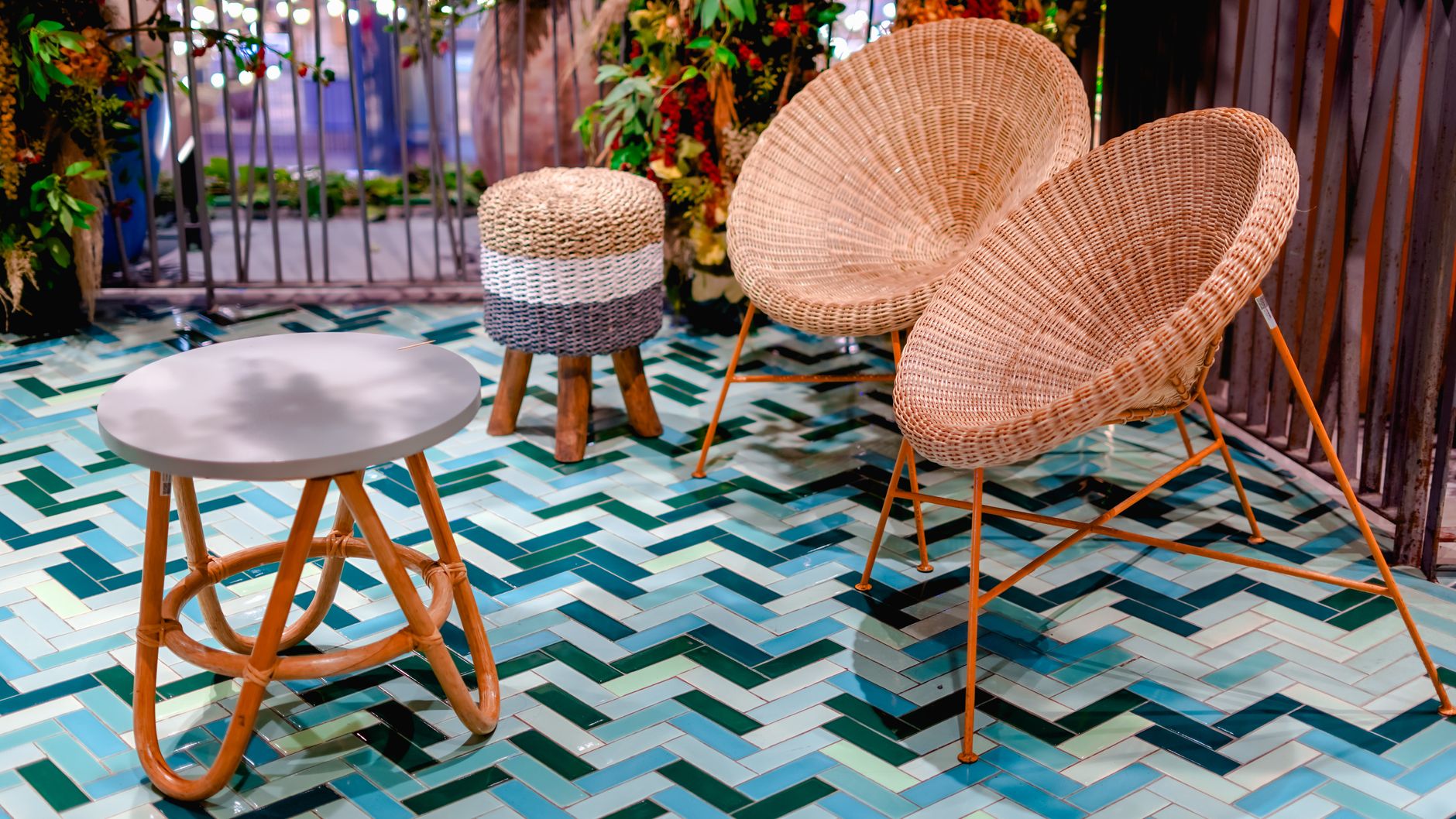
The integration of nature into living spaces has evolved from a nice-to-have to an essential element of modern Indian homes. Biophilic design goes beyond placing a few potted plants in corners. Homeowners are now incorporating living green walls, indoor water features, and natural materials like jute, bamboo, and terracotta throughout their spaces. Large windows that maximize natural light and ventilation are being prioritized, especially in urban apartments where connection to nature is limited.
Sustainable and Upcycled Materials
Environmental consciousness is driving material choices in 2026. Indian consumers are increasingly seeking furniture and decor made from reclaimed wood, recycled metal, and sustainable fabrics. Traditional craftsmanship is being celebrated through handwoven textiles, locally-sourced stone, and artisan-made ceramics. This trend not only reduces environmental impact but also supports local craftspeople and adds unique character to homes.
Curved Furniture and Soft Architecture
Sharp edges and rigid lines are giving way to gentler, more organic forms. Curved sofas, rounded dining tables, and arched doorways are softening the aesthetic of Indian homes. This trend creates a more welcoming, flowing environment that feels less formal and more nurturing. The curves also work particularly well in smaller urban apartments, as they improve traffic flow and make spaces feel less cramped.
Earthy and Warm Color Palettes
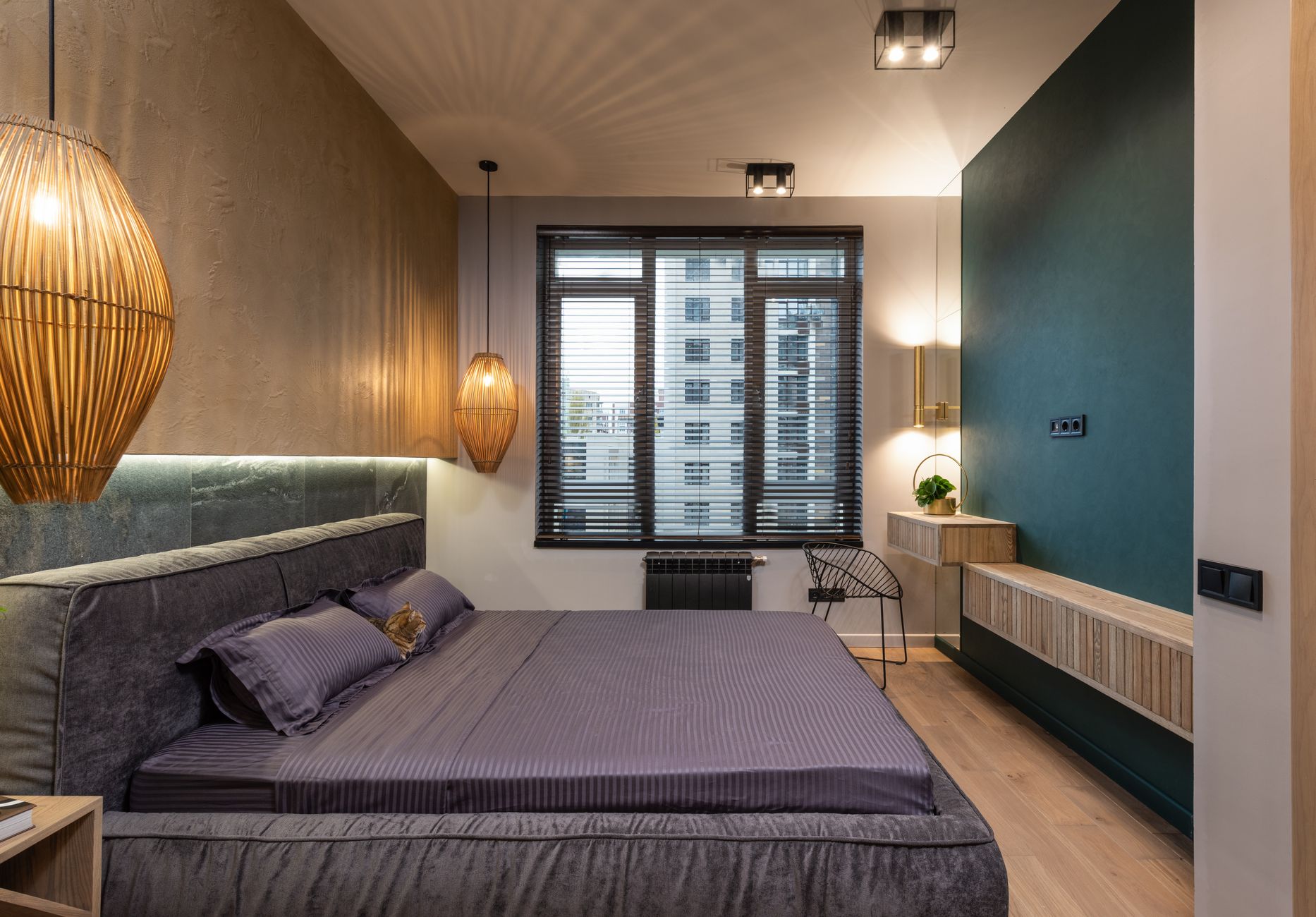
The stark whites and cool grays that dominated previous years are being replaced by warmer, earthier tones. Terracotta, ochre, sage green, and warm browns are becoming the foundation of Indian color schemes in 2026. These hues create cozy, grounding environments that complement natural materials and Indian skin tones. Accent walls in deep jewel tones like emerald or sapphire are adding drama without overwhelming spaces.
Multi-Functional Spaces
With hybrid work becoming permanent for many Indians, homes must serve multiple purposes. Rooms are being designed to seamlessly transition from workspace to relaxation zone. Murphy beds, foldable desks, and modular furniture allow spaces to adapt throughout the day. Even in larger homes, the trend toward flexible spaces reflects a desire for efficient, purposeful design rather than rooms that serve single functions.
Technology Integration Done Thoughtfully
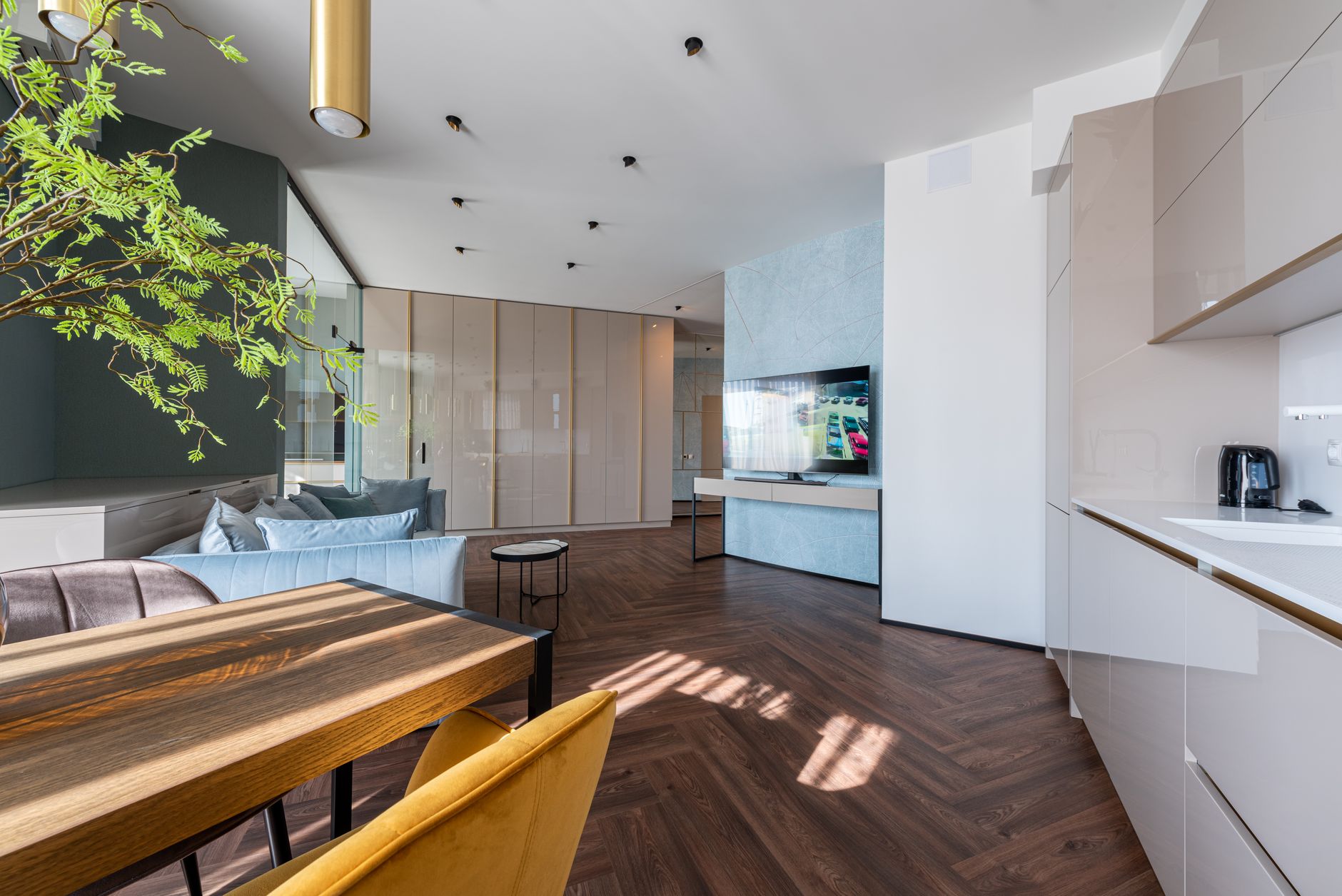
Smart home technology is becoming standard in Indian households, but in 2026, the focus is on invisible integration. Voice-activated lighting, automated climate control, and integrated sound systems are being built into homes without the clunky visible gadgets of earlier years. The goal is technology that enhances life without dominating the aesthetic. Charging stations are being cleverly concealed in furniture, and screens are hidden behind artwork or mirrors when not in use.
Maximalist Touches in Minimalist Frames
Indian homeowners are finding balance between minimalism and the rich, layered aesthetic that characterizes traditional Indian design. While overall layouts remain uncluttered, carefully curated collections of art, textiles, and decorative objects are being displayed with intention. A single wall might feature a gallery of family heirlooms or contemporary Indian art, while other walls remain bare. This approach honors cultural heritage while maintaining breathing room.
Textured Walls and Surfaces
Plain painted walls are being replaced by surfaces with tactile interest. Lime plaster, exposed brick, fluted panels, and textured wallpapers are adding depth to Indian interiors. These surfaces interact beautifully with natural light throughout the day, creating dynamic spaces that feel alive. The trend toward texture also includes mixing materials—pairing rough stone with smooth marble or glossy tile with matte wood.
Dedicated Wellness Zones
Influenced by increased health awareness, Indian homes in 2026 are incorporating dedicated spaces for wellness activities. These might include meditation corners with floor cushions and ambient lighting, small home gyms with yoga mats and minimal equipment, or even spa-like bathrooms with soaking tubs and aromatherapy features. These zones acknowledge that home should support both physical and mental wellbeing.
Making These Trends Work for Your Budget
Incorporating these trends doesn't require a complete renovation or unlimited funds. Start with small changes like adding plants, switching to warmer paint colors, or introducing curved elements through accessories like mirrors or cushions. Invest in one statement piece of sustainable furniture rather than replacing everything at once. The key is selecting trends that resonate with your lifestyle and implementing them gradually.