Interior design inspiration flows freely across borders in our connected world, with Pinterest boards and Instagram feeds showcasing stunning Western interiors that tempt Indian homeowners to recreate similar looks. However, several interior designers across India are urging homeowners to pause before blindly adopting certain Western trends that simply don't suit our climate, culture, or daily living patterns.
The All-Grey Minimalist Palette
The monochromatic grey trend that dominated Western interiors for the past decade creates cold, lifeless spaces in Indian homes. Our abundant natural light, warm climate, and vibrant culture call for colours that reflect our surroundings. Grey walls and furniture can make rooms feel institutional rather than welcoming, especially in tropical regions where warmth and character are essential. Indian designers recommend incorporating warm neutrals, earthy tones, or accent colours that complement our architectural heritage and natural environment.
Carpeted Bedrooms and Living Spaces
Wall-to-wall carpeting remains popular in cooler Western climates but poses significant challenges in India. Our humidity levels create ideal conditions for dust mites, mould, and allergens to thrive in carpets. The monsoon season compounds these issues, making carpets difficult to dry and maintain. Indian homes benefit far more from easy-to-clean flooring options like tiles, stone, or treated wood, with washable rugs that can be removed and cleaned regularly. This practical approach better suits our climate while reducing maintenance headaches.
Completely Open-Concept Kitchens
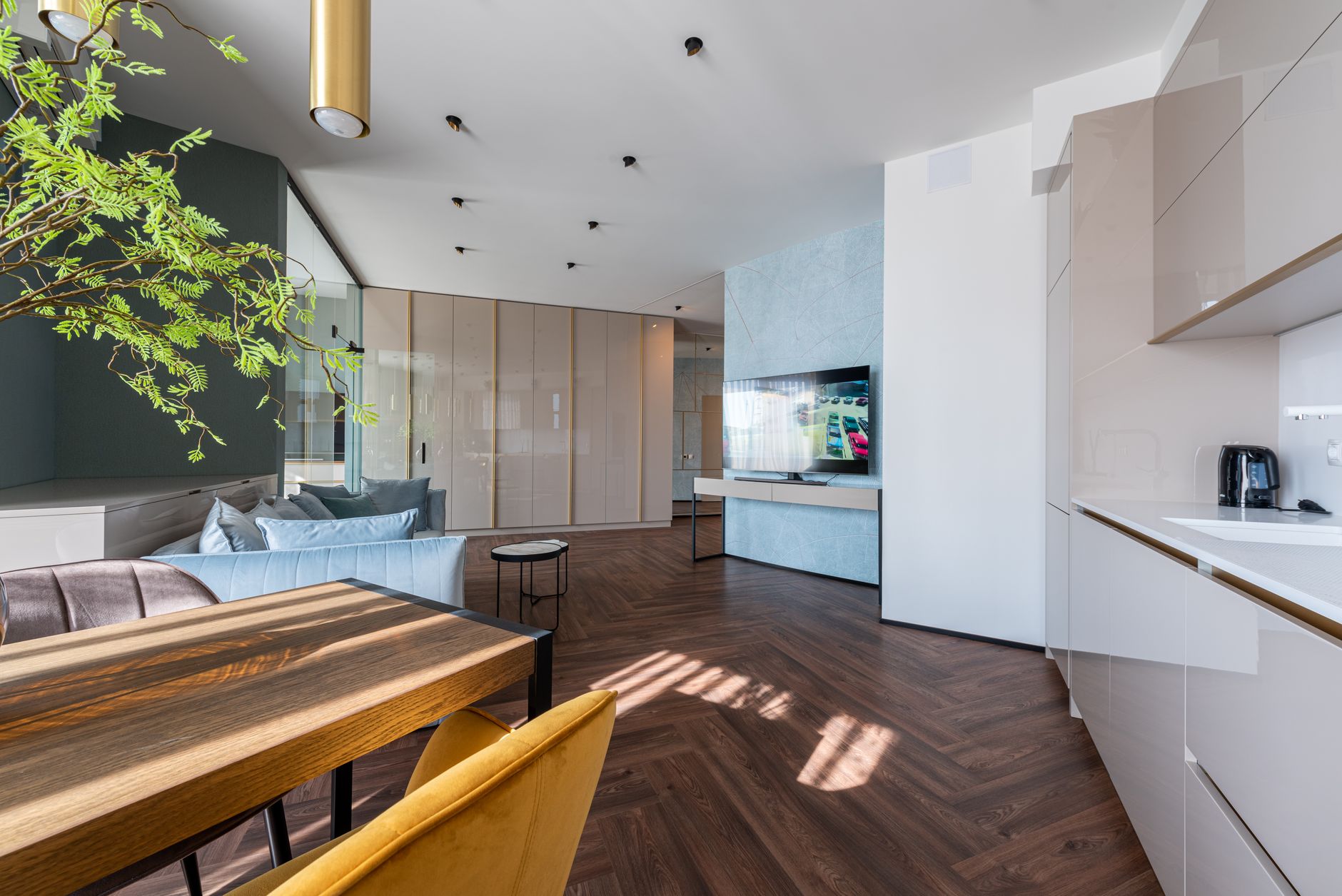
The open-concept kitchen that flows seamlessly into living spaces works beautifully for Western cooking styles but rarely suits Indian culinary practices. Our cooking methods involving tempering spices, deep frying, and prolonged cooking times generate significant smoke, steam, and strong aromas. Without proper separation, these elements permeate living areas, furniture, and fabrics. While semi-open kitchens with effective ventilation can work, completely barrier-free designs often create practical problems. A closed or partially separated kitchen with excellent exhaust systems better accommodates Indian cooking while maintaining the social aspect of meal preparation.
Shoes-On Indoor Living
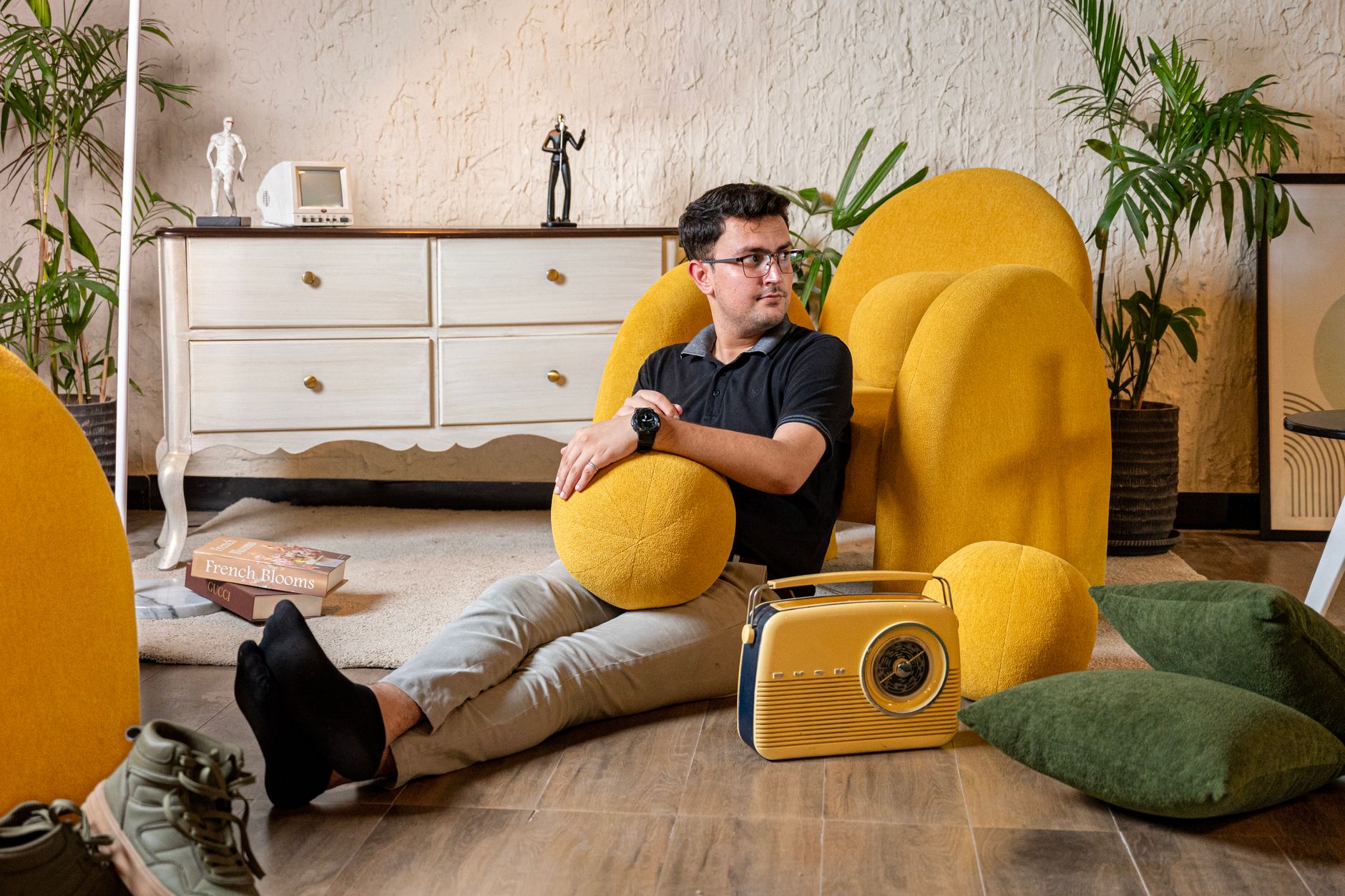
Western interiors designed around keeping shoes on indoors conflict fundamentally with Indian customs and hygiene practices. Most Indian households remove footwear at the entrance, affecting furniture heights, flooring choices, and spatial planning. Adopting décor elements that assume shoes-on living—like certain seating heights or purely aesthetic flooring—ignores this cultural practice. Indian homes need thoughtful entryway storage for footwear, comfortable floor seating options, and flooring materials chosen for barefoot comfort rather than shoe durability.
Excessive White Everything
All-white interiors photograph beautifully but prove impractical in Indian conditions. Our dust levels, pollution in urban areas, and the reality of daily living make pristine white surfaces a maintenance nightmare. White upholstery, curtains, and walls require constant cleaning and quickly appear dingy. While white can serve as an accent or in specific applications, building an entire interior around this colour demands unrealistic upkeep. Indian designers suggest off-whites, creams, or light colours with subtle patterns that hide everyday wear while maintaining brightness.
Purely Decorative Lighting Plans
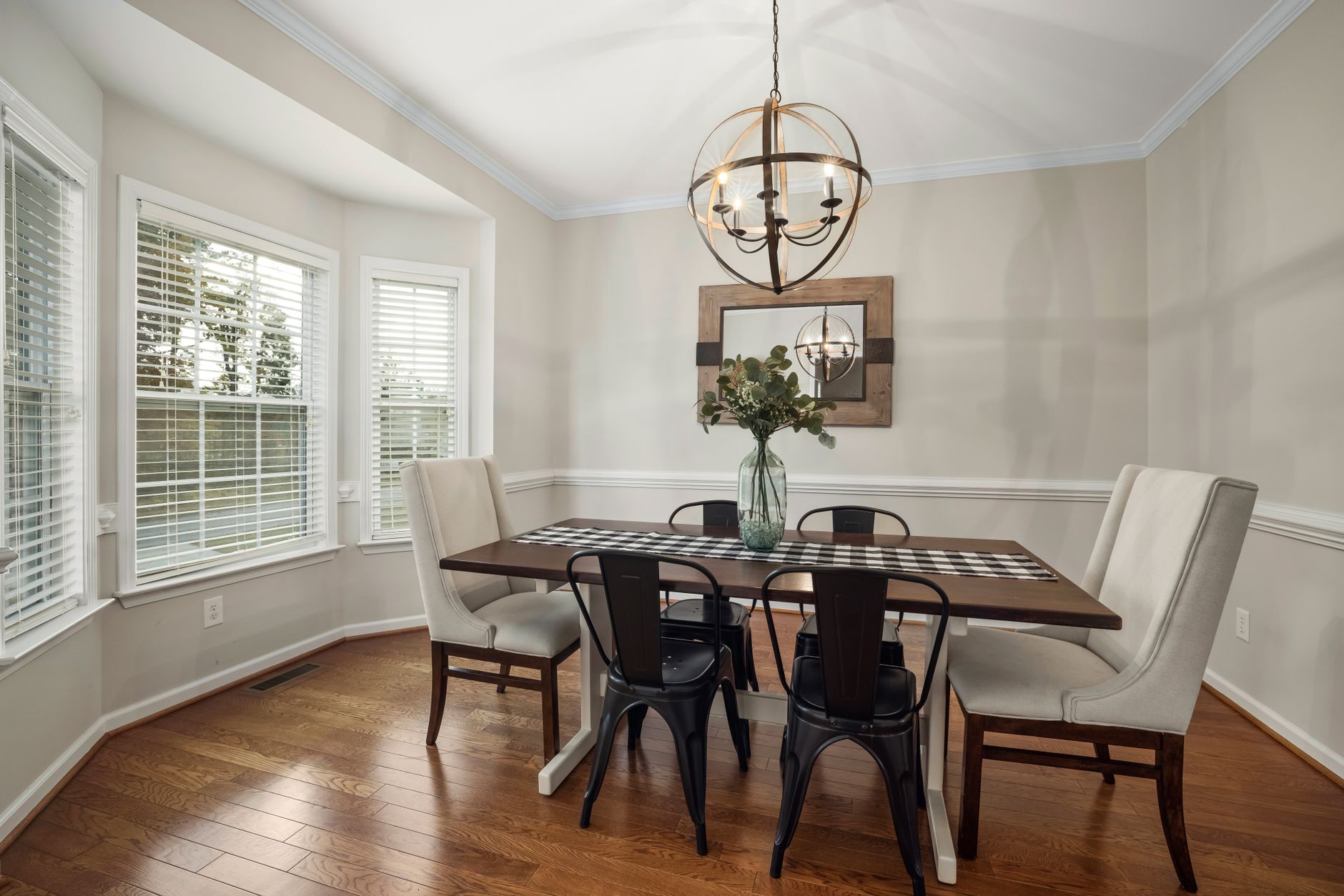
Western homes often feature ambient lighting with decorative fixtures that prioritize mood over function. Indian homes require robust, multi-layered lighting that accounts for power fluctuations, frequent entertaining, and tasks requiring good visibility. Relying solely on pendant lights or wall sconces without adequate general lighting creates poorly lit spaces. Indian interiors need a combination of ambient, task, and accent lighting with backup options for power cuts, along with fixtures designed to withstand voltage variations common in many areas.
Finding the Balance
Rather than completely rejecting Western influence, Indian designers advocate for thoughtful adaptation. The key lies in understanding why certain trends emerged in Western contexts—often due to climate, lifestyle, or cultural factors vastly different from ours. Successful Indian interiors blend global aesthetics with local wisdom, incorporating international design elements that genuinely enhance functionality while respecting our unique requirements.
Consider your daily routines, climate zone, maintenance capacity, and cultural practices before adopting any trend. The most beautiful home isn't one that perfectly mimics magazine spreads from another continent but one that functions seamlessly for your specific needs while reflecting your personal style and heritage.