Indian homes are undergoing a quiet revolution. No longer confined to traditional templates or rigid design rules, today's homeowners are experimenting with bold colors, sustainable materials, and layouts that reflect evolving lifestyles. The pandemic accelerated this shift, transforming homes from mere shelters into multifunctional sanctuaries that accommodate work, wellness, and family life.
Biophilic Design Brings Nature Indoors
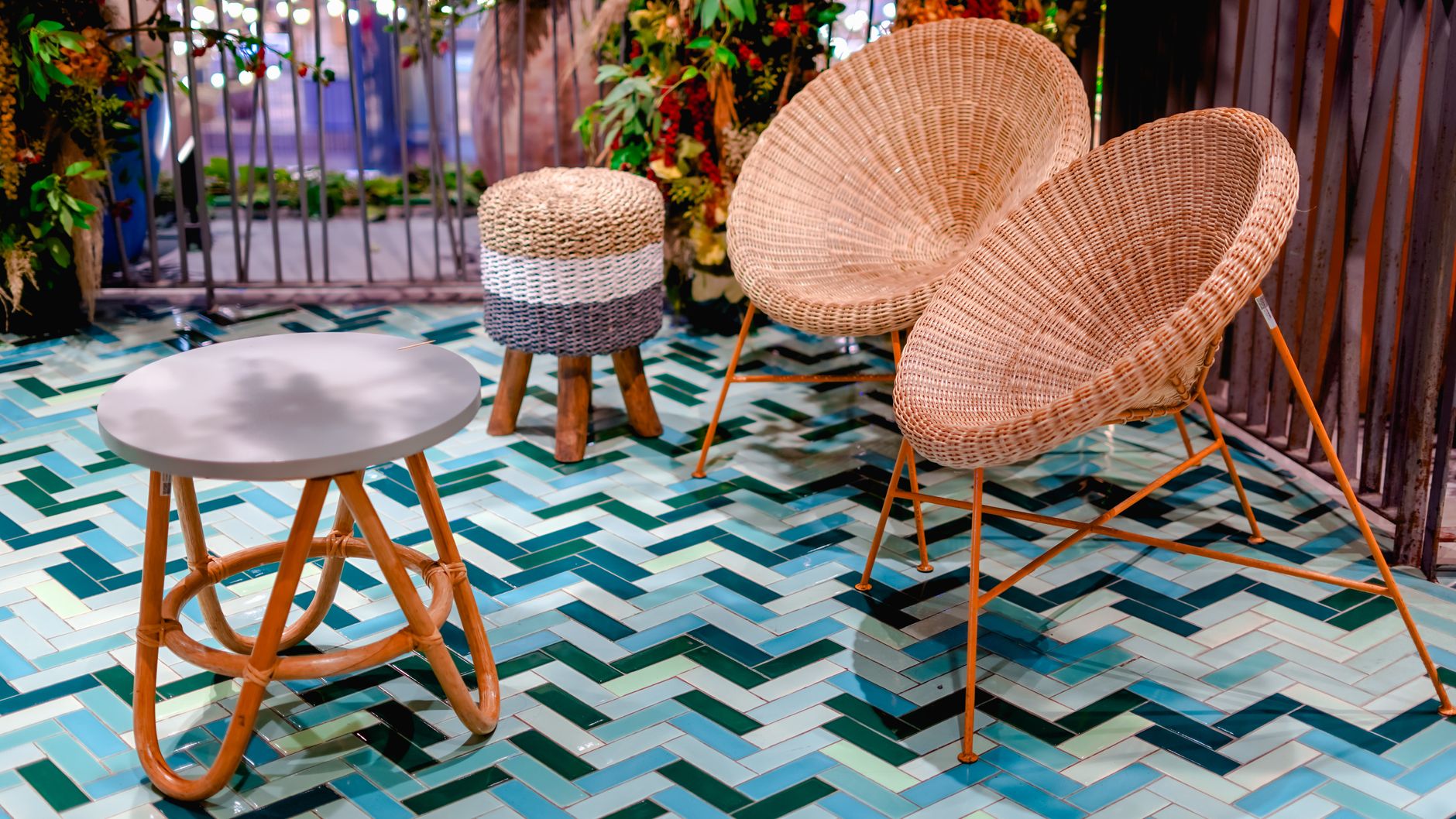
The concept of biophilic design—integrating natural elements into living spaces—has gained tremendous momentum across Indian metros and tier-two cities alike. Homeowners are installing vertical gardens on balconies, incorporating indoor plants in living rooms, and choosing furniture made from natural materials like cane, bamboo, and reclaimed wood.
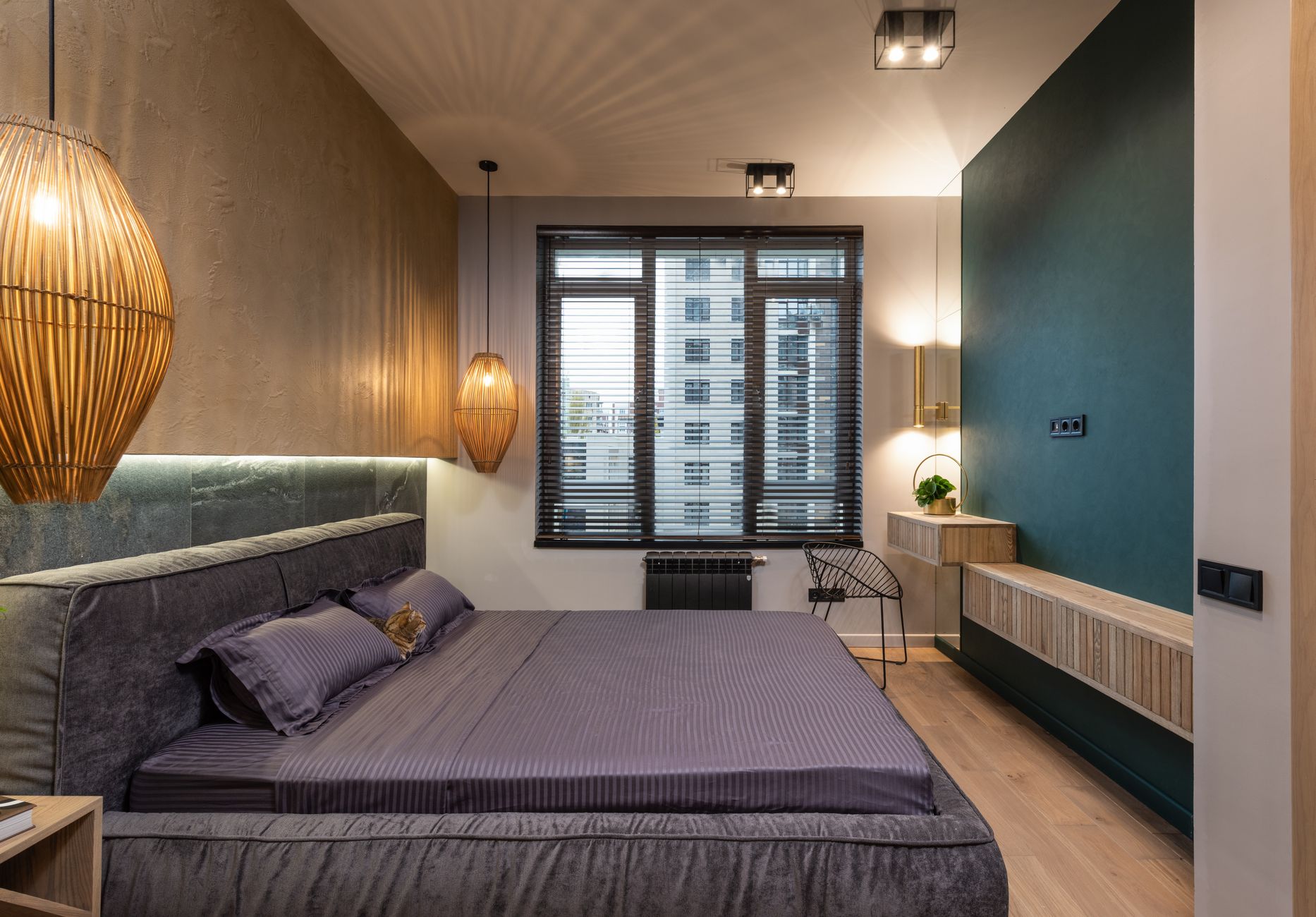
Large windows that maximize natural light, earthy color palettes featuring terracotta and sage green, and water features like small fountains are becoming standard features. This trend addresses urban Indians' disconnection from nature while improving air quality and mental well-being. Even apartment dwellers with limited square footage are finding creative ways to introduce greenery through hanging planters and compact herb gardens in kitchens.
Maximalism Challenges Minimalist Dominance
After years of minimalist Scandinavian aesthetics dominating design magazines and Pinterest boards, Indian homes are witnessing a colorful rebellion. Maximalism—characterized by bold patterns, rich textures, and curated clutter—resonates with India's inherent love for vibrant colors and ornamentation.
This trend manifests through gallery walls showcasing family photographs and artwork, layered textiles mixing ikats with block prints, and statement furniture pieces that spark conversation. Rather than empty spaces and monochrome palettes, maximalist homes celebrate personality and heritage. Young homeowners are rediscovering traditional crafts, commissioning handwoven rugs, and displaying brass artifacts alongside contemporary art.
The maximalist approach also proves more forgiving for families with children, where lived-in spaces naturally accumulate books, toys, and everyday objects that tell stories.
Multipurpose Spaces Reflect Changing Lifestyles
Remote work and hybrid schedules have fundamentally altered how Indians use their homes. The dedicated study or guest room is being replaced by flexible spaces that serve multiple functions throughout the day.
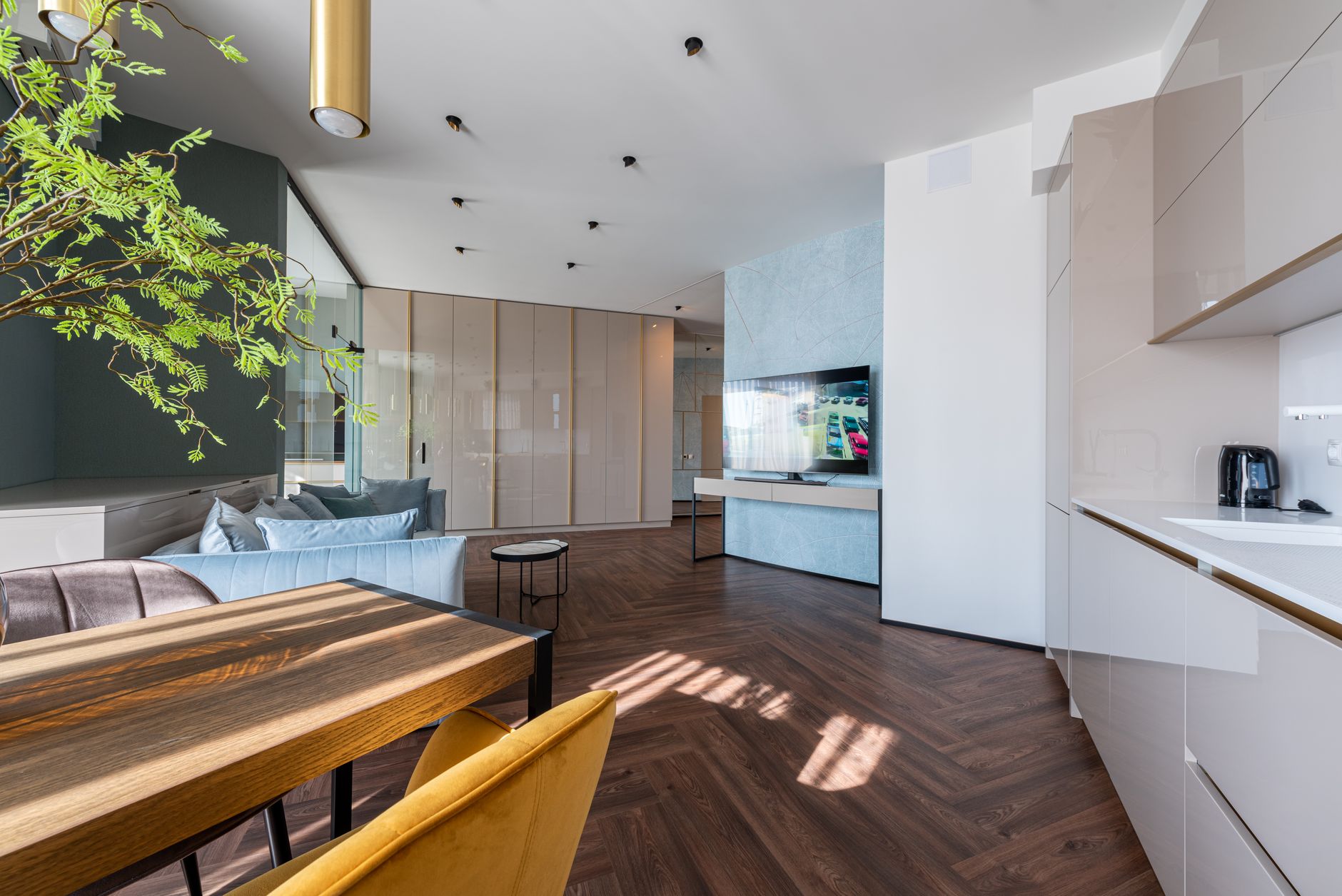
Designers are incorporating Murphy beds that fold into walls, expandable dining tables that convert into workstations, and modular storage solutions that adapt to changing needs. Living rooms now feature designated work zones with proper lighting and acoustic treatments, while bedrooms incorporate compact exercise corners.
This trend is particularly pronounced in metro cities where real estate prices make every square foot precious. Furniture on wheels, sliding partitions, and transformable elements allow a single room to serve as a home office by day, entertainment zone by evening, and guest bedroom when needed.
Sustainable and Locally-Sourced Materials
Environmental consciousness is no longer a niche concern but a mainstream priority influencing design choices. Homeowners are seeking out locally-sourced materials that reduce carbon footprints while supporting regional artisans and craftspeople.
Lime plaster is replacing synthetic paints, handmade terracotta tiles are preferred over imported ceramics, and furniture makers are using sustainably harvested wood certified by responsible forestry programs. Upcycling has become fashionable, with antique doors repurposed as headboards and vintage trunks serving as coffee tables.
Beyond aesthetics, sustainable choices often prove more durable and age gracefully, developing a patina that mass-produced alternatives lack. The emphasis on local procurement also connects homeowners to regional design traditions, whether Rajasthani block printing, Kerala's jack wood furniture, or Northeastern bamboo craftsmanship.
Technology Integration Without Visual Clutter
Smart home technology is being seamlessly woven into Indian interiors, but unlike earlier installations where gadgets dominated aesthetics, current trends emphasize invisible integration. Voice-activated lighting, hidden speakers, and wireless charging stations built into furniture maintain clean visual lines.
Homeowners want technology to enhance convenience—automated curtains, app-controlled air conditioning, security cameras—without turning living spaces into showrooms. Cable management systems, concealed panels, and furniture with built-in tech compartments ensure that homes remain aesthetically pleasing while offering modern functionality.
This trend also includes energy-efficient solutions like smart thermostats and solar panels, aligning technological advancement with sustainability goals.
Creating Personal Sanctuaries
These five trends share a common thread: the recognition that homes should reflect individual personalities and support well-being rather than merely following design dogma. Whether through nature-inspired elements, bold personal expression, flexible layouts, sustainable choices, or thoughtful technology, modern Indian homes are becoming more intentional, more authentic, and more attuned to the people who inhabit them.