Indian homes are evolving rapidly, blending traditional sensibilities with contemporary design philosophies. As we navigate 2026, several interior design trends are reshaping how we think about our living spaces, reflecting changing lifestyles, environmental consciousness, and technological advancement.
Sustainability Takes Center Stage
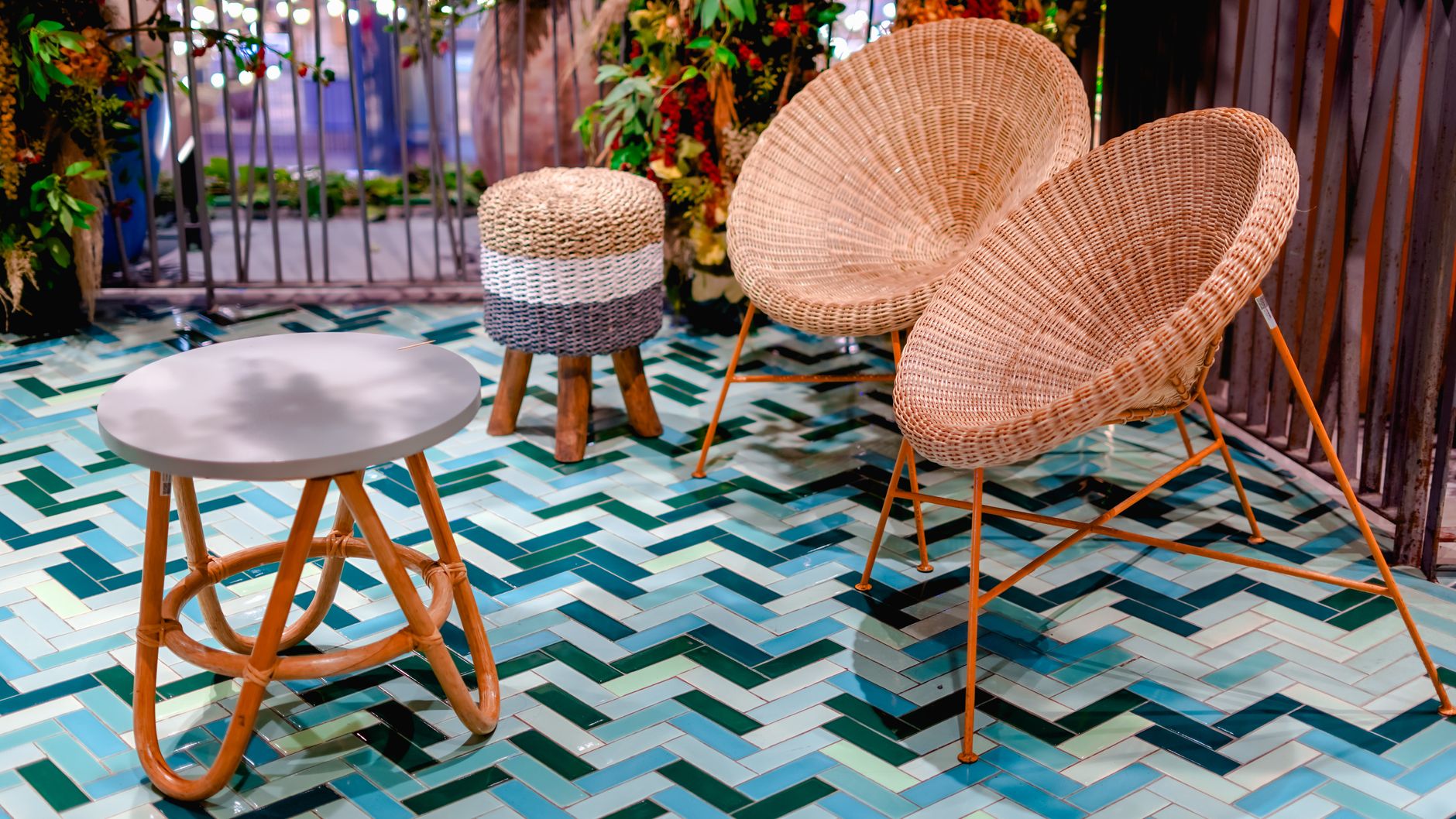
Eco-conscious design has moved from niche preference to mainstream necessity. Homeowners are increasingly choosing reclaimed wood, bamboo, jute, and terracotta—materials that honor India's artisanal heritage while minimizing environmental impact. Upcycled furniture pieces are gaining popularity, with designers transforming vintage doors into headboards and old textiles into statement wall hangings.
Maximalism Returns with Confidence
After years of minimalist dominance, bold, layered interiors are making a comeback. This isn't about clutter but curated abundance—mixing patterns, textures, and colors with intention. Indian homes are particularly well-suited to this trend, incorporating rich textiles, intricate metalwork, and vibrant artwork that celebrate our diverse cultural heritage.
Biophilic Design and Indoor Greenery
The connection between indoor spaces and nature continues to strengthen. Beyond adding potted plants, homeowners are installing living walls, creating indoor courtyards, and maximizing natural light. This trend addresses air quality concerns in urban areas while promoting mental wellbeing. Native Indian plants like money plants, snake plants, and holy basil are favored for their low maintenance and air-purifying qualities.
Technology-Integrated Living
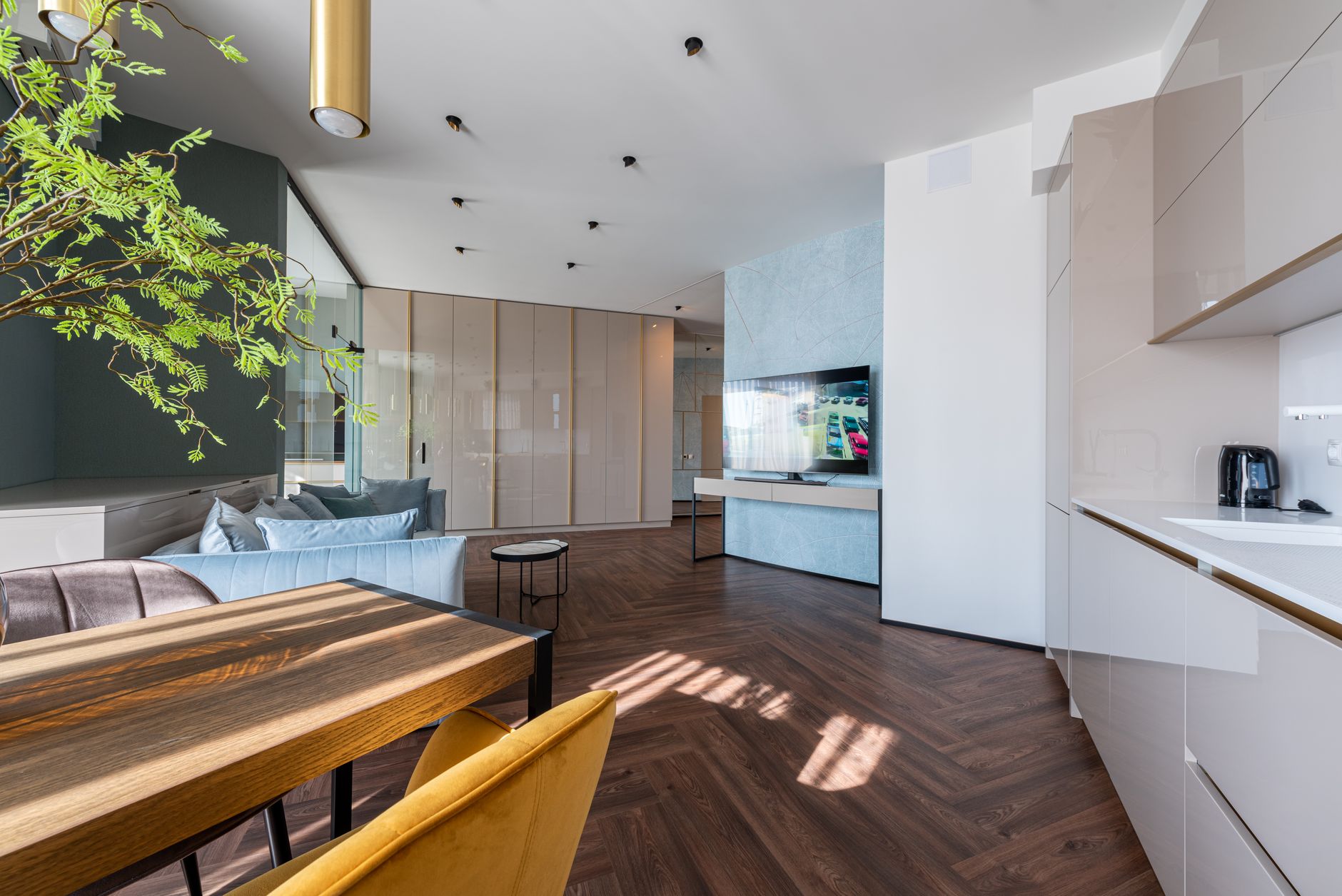
Smart home technology is becoming standard rather than luxury. Voice-activated lighting, automated climate control, and integrated entertainment systems are seamlessly incorporated into design schemes. The key trend is invisible technology—hiding wires, embedding speakers into walls, and choosing devices that complement rather than dominate the aesthetic.
Multifunctional Spaces
With remote work becoming permanent for many Indians, homes need to serve multiple purposes. Convertible furniture, sliding partitions, and clever storage solutions help create flexible spaces that transition from home office to dining area to entertainment zone. Murphy beds, foldable desks, and modular seating systems are particularly popular in urban apartments where space is premium.
Artisanal and Handcrafted Elements
There's renewed appreciation for handmade items that tell stories. Block-printed fabrics from Rajasthan, Channapatna toys as decor pieces, Madhubani paintings, and hand-thrown pottery are being incorporated into modern interiors. This trend supports local artisans while adding unique, irreplaceable character to homes.
Curved and Organic Shapes
Sharp angles and rigid lines are giving way to softer, curved furniture and architectural elements. Arched doorways, rounded sofas, circular mirrors, and wave-like shelving units create flow and visual interest. These organic shapes feel more welcoming and psychologically comfortable than stark geometric forms.
Earthy and Natural Color Palettes
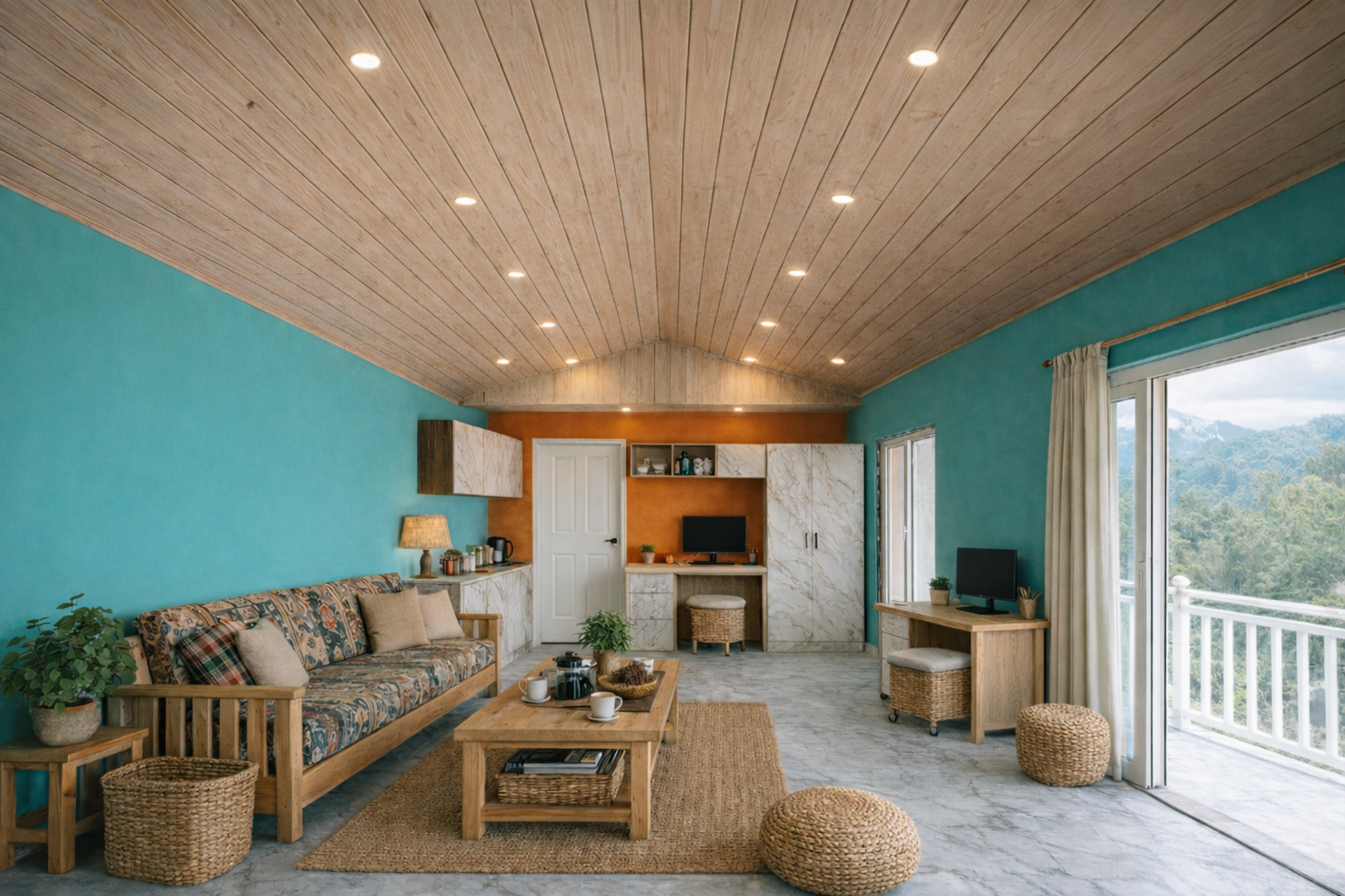
Terracotta, ochre, sage green, and warm beige tones are replacing cooler grays and stark whites. These colors create grounding, calming environments that connect inhabitants to nature. Indian homeowners are particularly drawn to colors that reference traditional architecture—the reds of sandstone forts, the creams of Rajasthani havelis, and the blues of Jodhpur.
Statement Ceilings
The "fifth wall" is getting its moment. Decorative ceiling treatments—from exposed wooden beams to intricate moldings, wallpaper, and even murals—add unexpected visual interest. In Indian homes, this might include traditional jaali work or contemporary geometric patterns inspired by temple architecture.
Dedicated Wellness Zones
Home gyms, meditation corners, and yoga spaces are becoming standard in new homes and renovations. These areas prioritize natural materials, calming colors, and excellent ventilation. Even compact apartments are carving out small wellness zones with a meditation cushion, plants, and proper lighting.
Vintage and Retro Revival
Mid-century modern furniture and 1970s-inspired elements are trending, often mixed with contemporary pieces. Indian antique furniture, particularly colonial-era pieces and vintage Chettinad furniture, are being restored and reimagined for modern living.
Textured Walls and Surfaces
Smooth painted walls are being replaced with tactile surfaces—lime plaster, textured wallpaper, exposed brick, or decorative panels. These add depth and character while improving acoustics in open-plan spaces.
Personalized Art Galleries
Homeowners are creating curated gallery walls featuring family photographs, original artwork, and meaningful objects rather than generic prints. These personal collections transform walls into storytelling spaces that reflect individual journeys and values.
Lighting as Sculptural Element
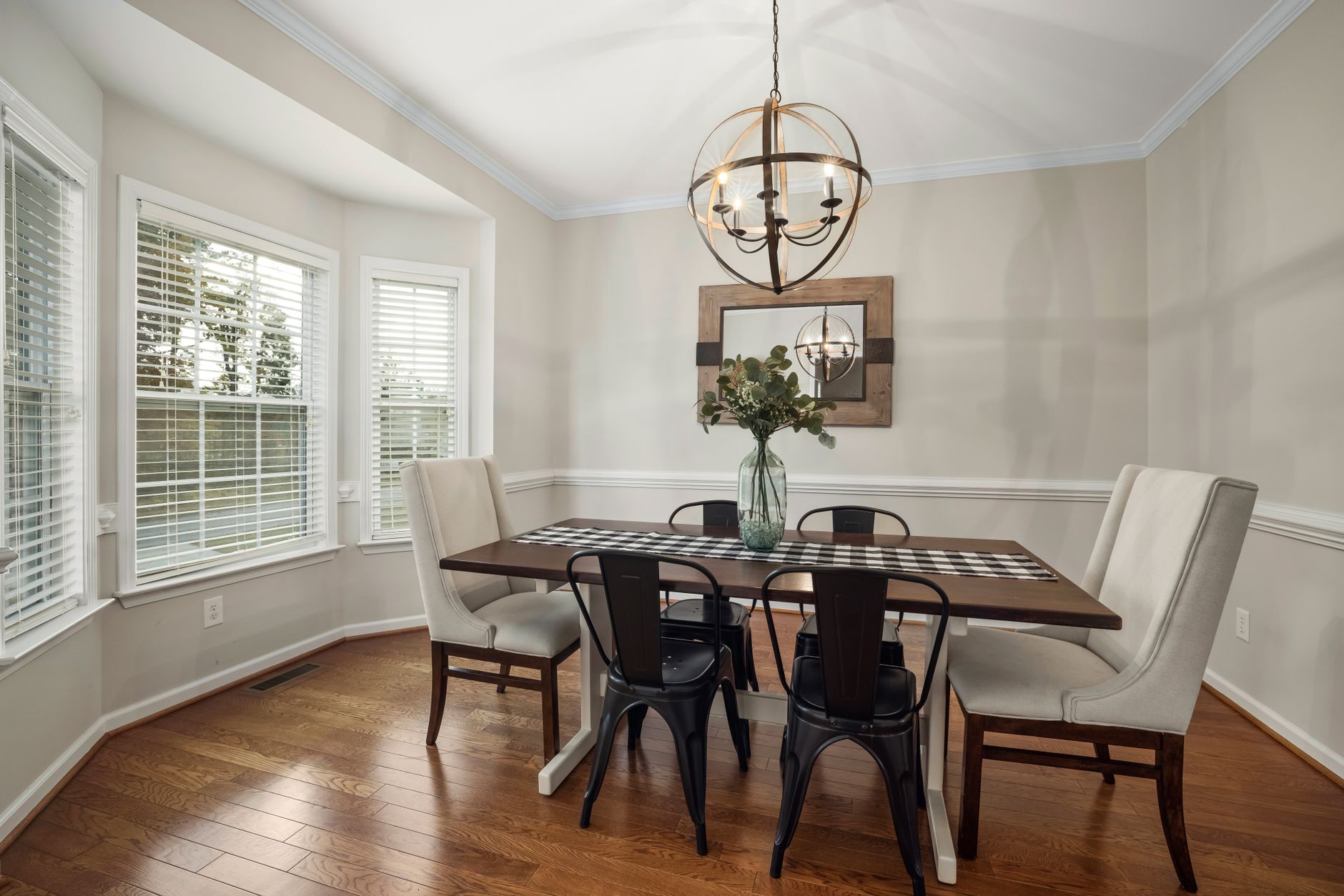
Lighting fixtures are becoming statement pieces rather than functional afterthoughts. Handcrafted pendant lights, brass floor lamps inspired by traditional diyas, and artistic chandeliers serve as focal points while providing ambient illumination.
The interior design landscape in 2026 reflects a maturation of Indian aesthetic sensibilities—confident in embracing both global trends and local traditions. The common thread across all these trends is intentionality: creating spaces that are beautiful, functional, sustainable, and deeply personal.