As we progress through 2026, interior design is experiencing a fascinating evolution that balances technological innovation with a deep yearning for natural connection and authentic expression. The homes being created today reflect our changing values, work patterns, and environmental consciousness, while drawing inspiration from both global movements and India's rich design heritage.
Biophilic Design Takes Centre Stage
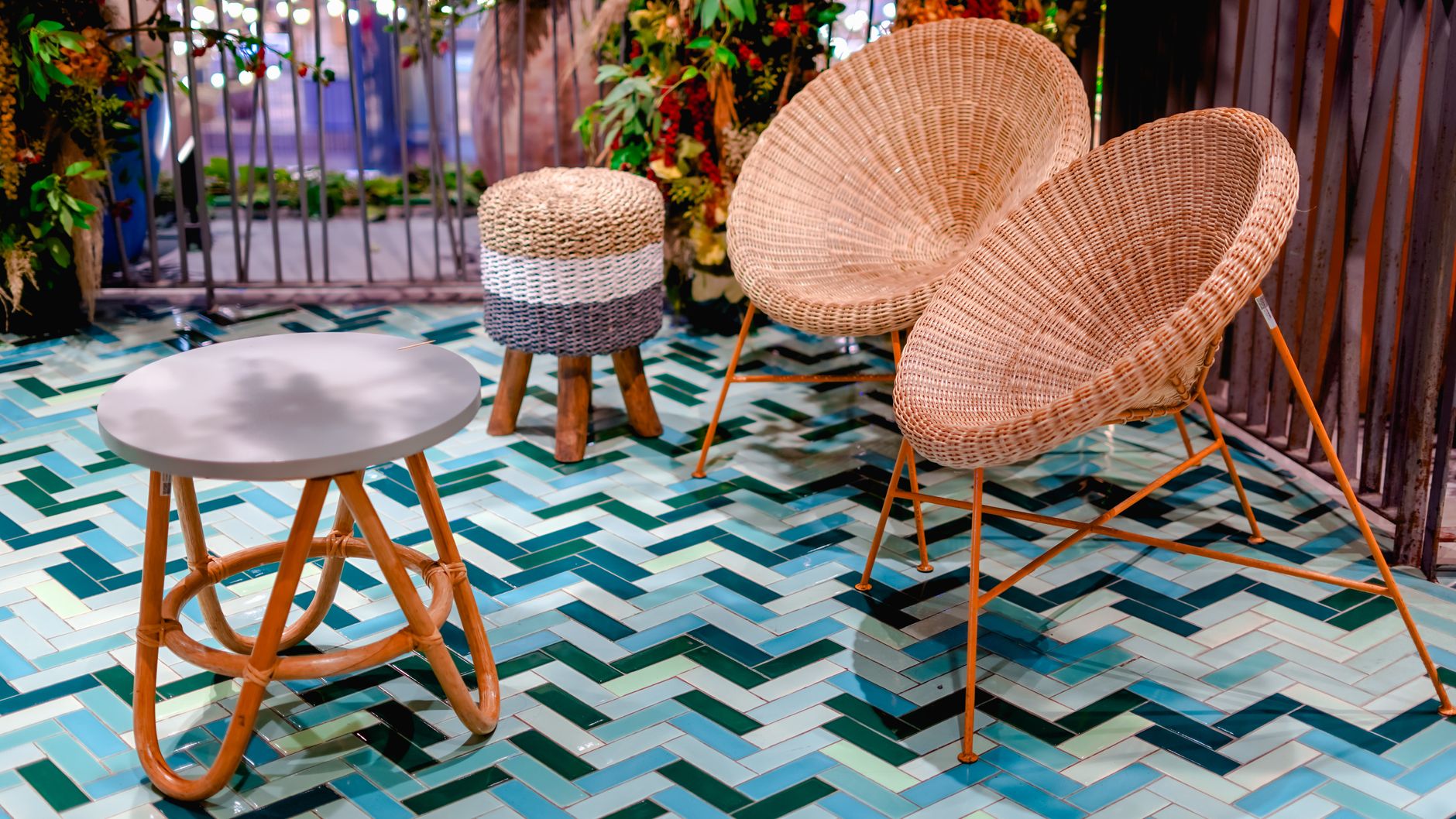
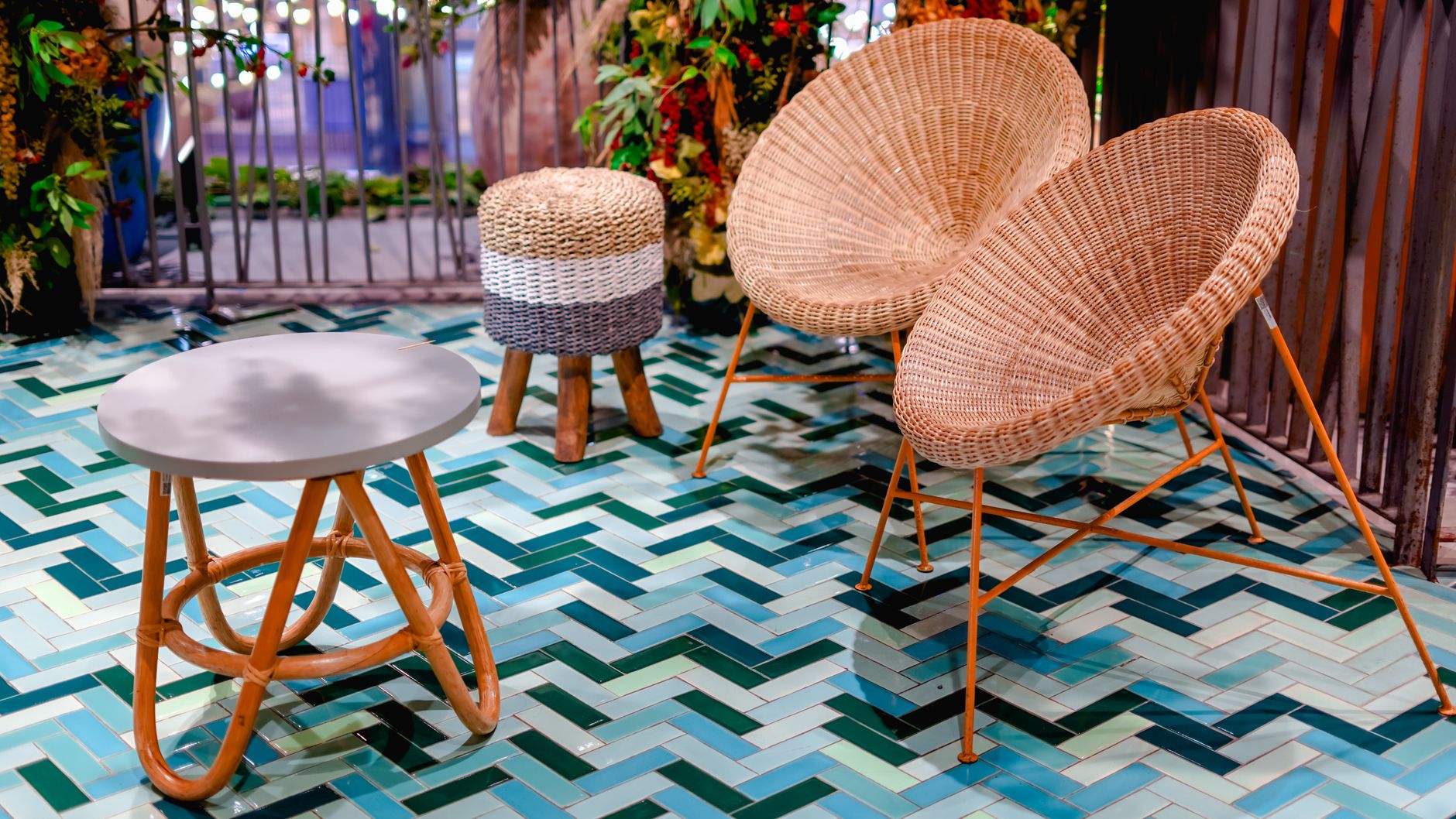
The integration of nature into interior spaces has moved beyond simple potted plants. Homeowners are creating indoor gardens, living walls, and water features that transform rooms into wellness sanctuaries. Natural materials like jute, bamboo, and terracotta are being combined with organic shapes and earth-toned palettes to create spaces that promote mental wellbeing and reduce stress.
Curved Architecture and Soft Edges
Sharp corners and rigid lines are giving way to rounded furniture, arched doorways, and circular design elements. This softer approach creates a more welcoming atmosphere and reflects a broader cultural shift toward gentleness and comfort in our living environments. From curved sofas to oval mirrors, this trend brings a sculptural quality to everyday spaces.
Multi-Functional Spaces
As hybrid work continues to define our routines, homes must serve multiple purposes. Designers are creating clever solutions like Murphy beds with integrated workstations, dining tables that convert to conference spaces, and modular furniture that adapts throughout the day. This flexibility is particularly valuable in Indian urban apartments where space comes at a premium.
AI-Assisted Personalisation
Artificial intelligence tools are helping homeowners visualise design choices before committing. From apps that suggest colour palettes based on lighting conditions to virtual room planners that let you experiment with furniture arrangements, technology is democratising professional design expertise and reducing costly mistakes.
Sustainable and Upcycled Materials
Environmental consciousness is driving material choices, with reclaimed wood, recycled metals, and eco-friendly fabrics gaining popularity. Indian artisans are being celebrated for creating beautiful pieces from waste materials, while heritage furniture is being restored rather than replaced, creating homes with character and reduced carbon footprints.
Maximalist Expression Returns
After years of minimalism, bold pattern mixing, rich colour combinations, and eclectic collections are making a comeback. This trend celebrates personality and cultural heritage, allowing homeowners to display treasured items and create visually stimulating environments that tell their unique stories.
Warm Metallics and Earth Tones
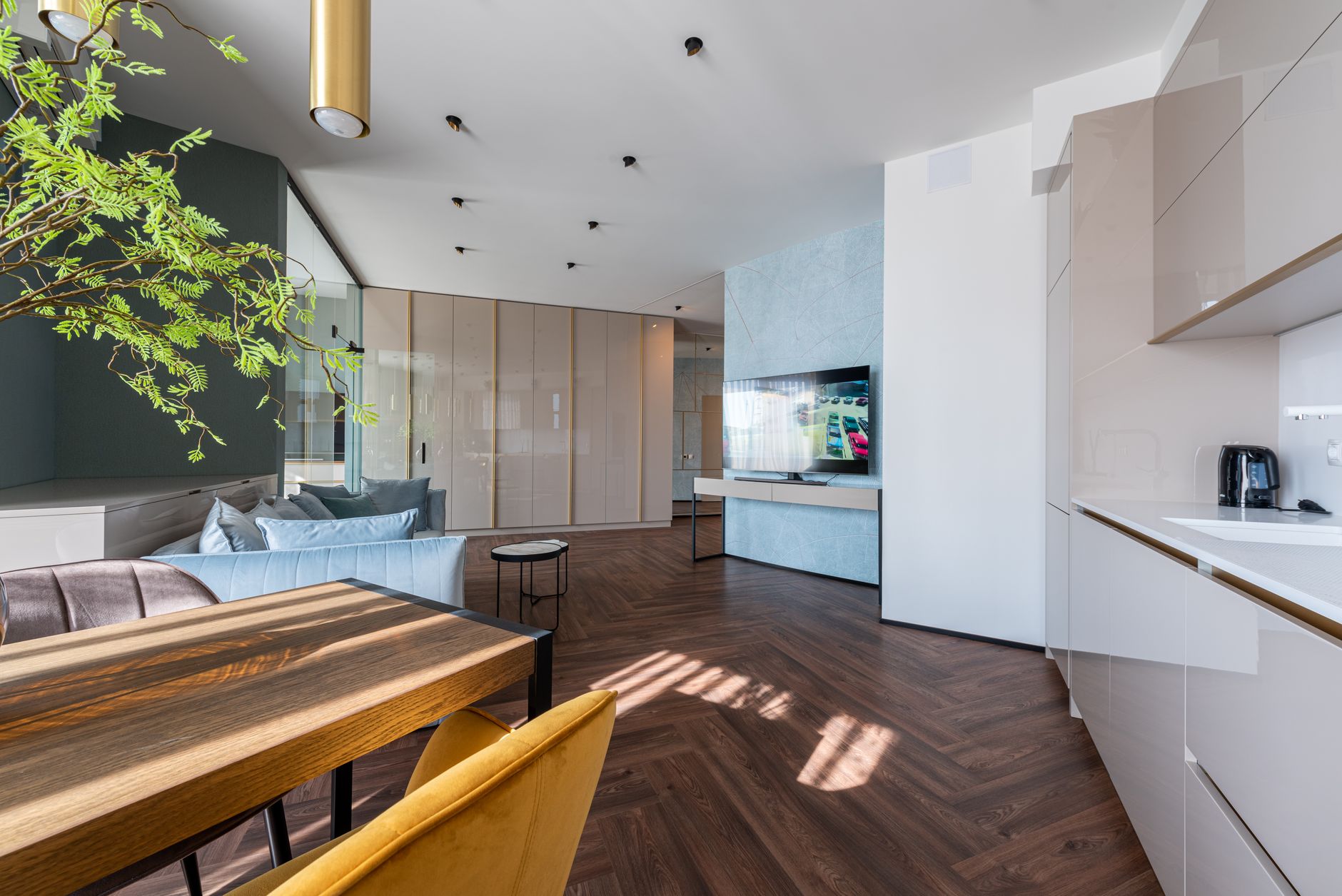
Gold, brass, and bronze finishes are replacing cooler metals, bringing warmth and luxury to spaces. These are being paired with terracotta, ochre, sage green, and warm greys to create sophisticated, grounding colour schemes that feel both timeless and contemporary.
Grandmillennial Style
Younger homeowners are embracing elements traditionally associated with older generations—chintz fabrics, vintage china collections, needlepoint, and antique furniture. This nostalgic trend reflects a desire for comfort, quality craftsmanship, and connection to the past.
Statement Ceilings
The often-neglected fifth wall is becoming a focal point through bold paint colours, wallpaper, exposed beams, or decorative moulding. This unexpected design move adds depth and interest without consuming valuable floor space.
Wellness Rooms
Dedicated spaces for meditation, yoga, or exercise are becoming standard in home designs. These rooms prioritise natural light, calming colours, and minimal distractions, reflecting the growing importance of mental and physical health in our daily lives.
Smart Home Integration That's Invisible
While smart technology is becoming ubiquitous, the aesthetic is shifting toward seamless integration. Voice-activated systems, hidden charging stations, and discreet sensors maintain the visual integrity of design while providing modern convenience.
Artisan and Handcrafted Elements
Mass-produced items are being replaced by handmade pieces that showcase traditional crafts. Indian block printing, pottery, weaving, and metalwork are being incorporated into contemporary designs, supporting local artisans while adding authentic character.
Moody Lighting Layers
Single overhead lights are being replaced by layered lighting schemes using table lamps, wall sconces, LED strips, and candles to create ambiance. Dimmer switches and smart bulbs allow mood adjustment throughout the day.
Japandi Aesthetic Evolution
The fusion of Japanese minimalism and Scandinavian functionality continues to evolve, incorporating warmer elements and more texture while maintaining clean lines and uncluttered spaces. This approach suits Indian homes seeking calm amid urban chaos.
Outdoor Living Extensions
Balconies and terraces are being transformed into fully furnished outdoor rooms with weather-resistant furniture, outdoor kitchens, and comfortable seating areas. This trend maximises usable space and brings resort-style living to urban homes.
These trends reflect a broader shift toward homes that nurture wellbeing, express individuality, and respect environmental limits. Whether you adopt one trend or blend several, the key is creating spaces that genuinely reflect your lifestyle and values.