As we approach 2026, interior design is experiencing a transformative shift that blends sustainability, technology, and cultural authenticity. Indian homeowners are increasingly seeking spaces that reflect their values while embracing global aesthetics. Here are the twelve major trends shaping our living spaces.
Sustainable and Reclaimed Materials
Environmental consciousness is no longer optional in interior design. Homeowners are gravitating toward reclaimed wood, recycled metals, and upcycled furniture pieces. Indian artisans are leading this movement by transforming vintage doors into headboards and traditional textiles into contemporary upholstery. This trend not only reduces environmental impact but also adds unique character to homes.
Maximalism Returns with Purpose
After years of minimalism dominating design conversations, maximalism is making a confident comeback. However, this isn't about clutter—it's curated abundance. Indian homes are embracing layered textiles, bold pattern mixing, and gallery walls that tell personal stories. The key is intentionality: each piece should spark joy or hold meaning.
Biophilic Design Integration
Bringing nature indoors has evolved beyond placing a few potted plants. Biophilic design now encompasses living walls, indoor water features, and furniture crafted from natural materials. Indian homes are incorporating courtyard-inspired elements even in apartments, with vertical gardens and skylights that maximize natural light and air circulation.
Tech-Integrated Smart Spaces
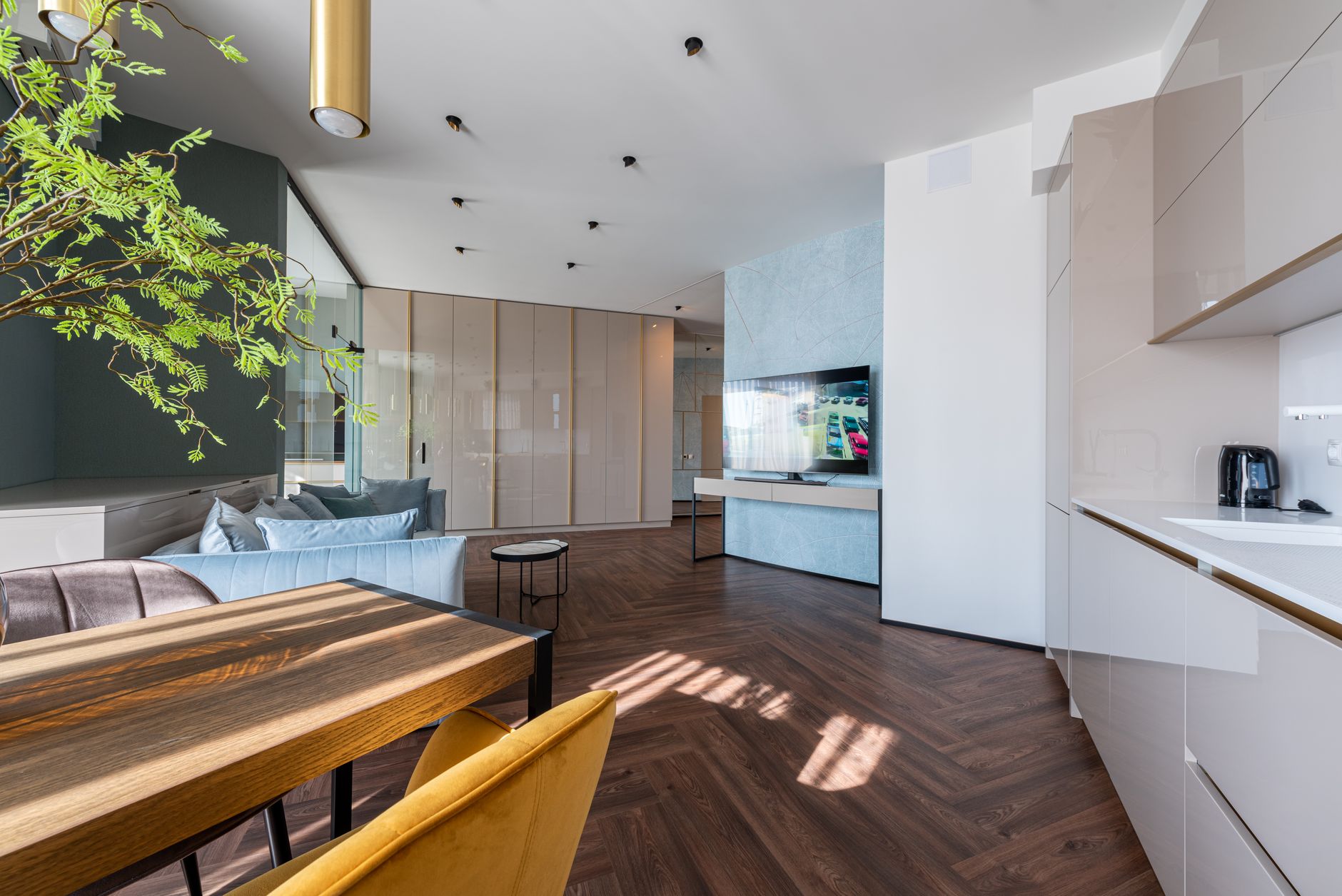
Smart home technology is becoming seamlessly integrated into design rather than appearing as an afterthought. Voice-activated lighting, automated window treatments, and invisible charging stations are becoming standard features. Indian homeowners are particularly interested in energy-monitoring systems that align with sustainability goals.
Curved and Organic Shapes
Sharp edges and rigid geometry are giving way to softer, more organic forms. Curved sofas, rounded archways, and circular mirrors create visual flow and psychological comfort. This trend works particularly well in Indian homes where space optimization is crucial, as curved furniture can soften compact areas.
Artisanal and Handcrafted Focus
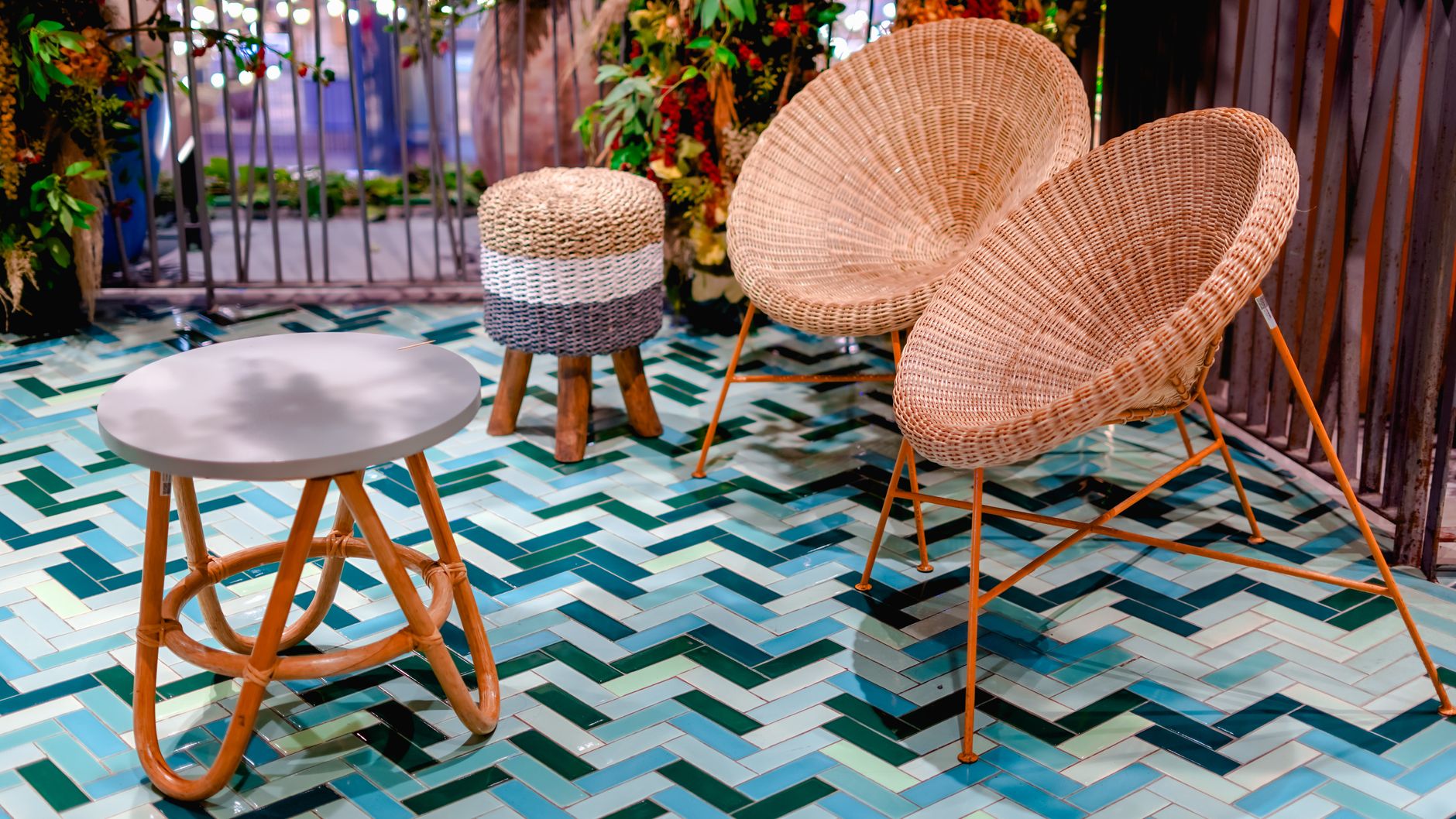
There's renewed appreciation for traditional Indian craftsmanship. Handwoven textiles from Maheshwar, Bidriware from Karnataka, and Khurja pottery are finding pride of place in contemporary interiors. This trend supports local artisan communities while adding authentic, irreplaceable character to homes.
Multi-Functional Spaces
As remote work becomes permanent for many Indians, homes must serve multiple purposes. Design solutions include Murphy beds in home offices, dining tables that convert to workstations, and modular furniture that adapts throughout the day. This flexibility is essential in urban Indian homes where square footage comes at a premium.
Earthy and Warm Color Palettes
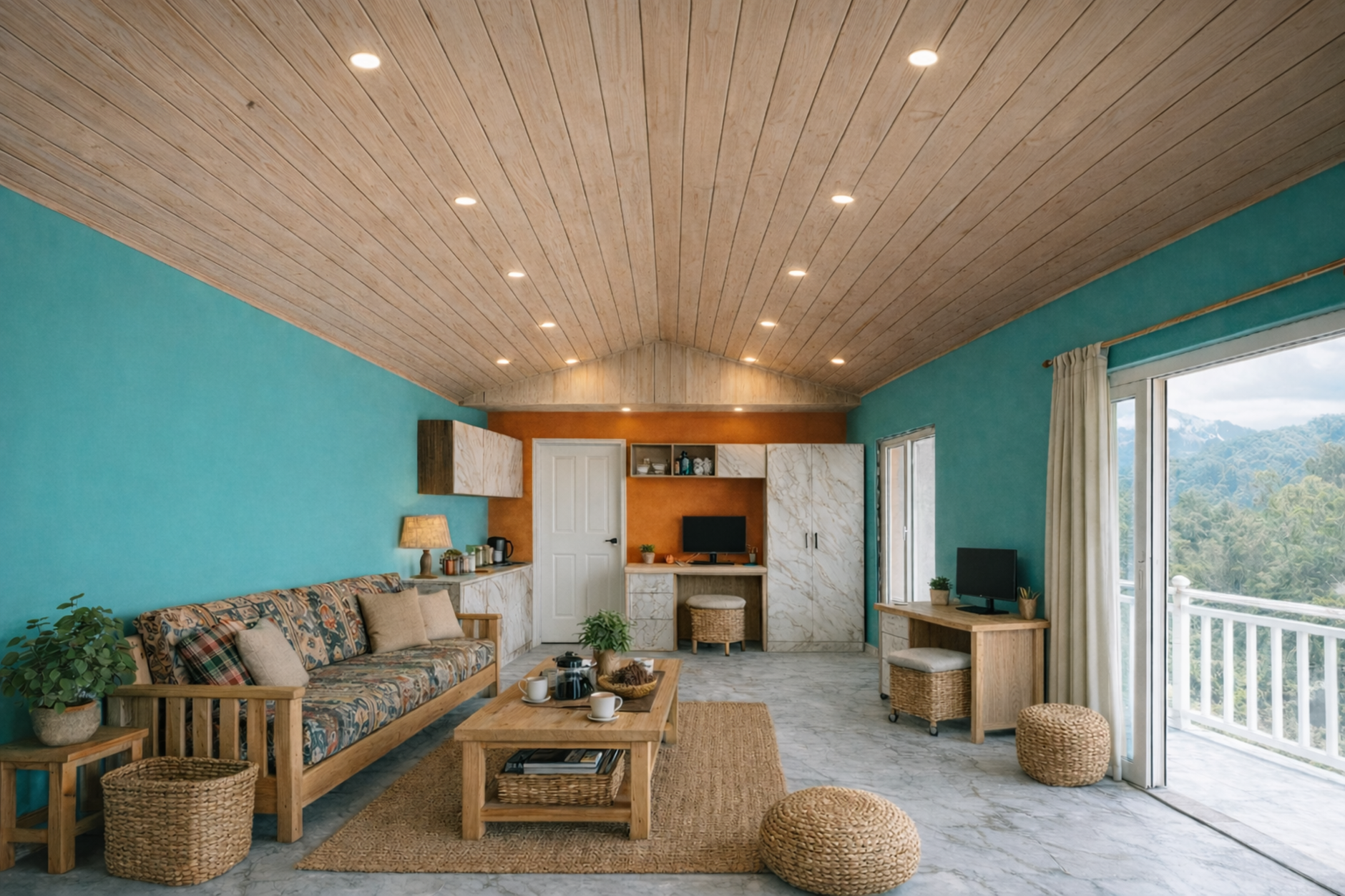
Cool grays are being replaced by warm, earthy tones. Terracotta, ochre, sage green, and warm browns create cocooning environments that feel grounded and nurturing. These colors complement Indian skin tones in photographs and work beautifully with natural materials.
Textural Layering
Visual and tactile texture is becoming a design priority. Combining smooth marble with rough-hewn wood, pairing silk cushions with jute rugs, and mixing matte and glossy finishes creates depth and interest. Indian homes have always excelled at textile layering, and this trend expands that tradition to all surfaces.
Dedicated Wellness Zones
Meditation corners, yoga spaces, and home gyms are no longer luxuries but design essentials. Even small apartments are carving out wellness zones with proper lighting, storage for equipment, and calming color schemes. This reflects growing awareness of mental and physical health among Indian families.
Statement Ceilings
The "fifth wall" is getting attention with decorative paint treatments, exposed beams, wallpaper, and architectural details. Indian homes are incorporating traditional ceiling designs like coffered patterns or contemporary interpretations of jaali work to add visual interest overhead.
Personalized and Eclectic Collections
Cookie-cutter showroom aesthetics are out. Homeowners are curating spaces that reflect their travels, heritage, and personal interests. Mixing family heirlooms with contemporary art, displaying collections meaningfully, and incorporating pieces from different design movements creates homes with genuine personality.
Implementation Tips
Start small by introducing one or two trends that resonate with your lifestyle. Consider your home's architecture, climate zone, and your family's actual daily routines. Indian homes benefit most from trends that respect cultural practices—like shoe-free living zones and dedicated puja spaces—while incorporating contemporary comforts.
Budget-conscious homeowners can embrace these trends through paint updates, textile changes, and strategic furniture repositioning before investing in major renovations. Many trends, particularly the focus on artisanal goods and multi-functionality, align naturally with Indian values of quality, practicality, and supporting local communities.
The future of Indian interior design celebrates both global inspiration and local authenticity, creating homes that are environmentally responsible, technologically advanced, and deeply personal.