Indian homes are undergoing a remarkable transformation as we move through 2026, with design preferences reflecting a blend of global influences, traditional aesthetics, and the evolving needs of modern families. The way Indians conceptualize their living spaces has shifted dramatically, driven by changing work patterns, environmental consciousness, and a renewed appreciation for spaces that serve multiple purposes while maintaining aesthetic appeal.
Biophilic Design Takes Center Stage
The integration of nature into indoor spaces has moved beyond a mere trend to become a fundamental design principle. Indian homeowners are increasingly incorporating living walls, indoor gardens, and abundant natural materials like bamboo, jute, and terracotta. Large windows that maximize natural light, indoor water features, and the strategic placement of plants throughout living areas create a seamless connection between indoor and outdoor environments. This approach not only enhances aesthetic appeal but also improves air quality and promotes mental well-being.
Multifunctional Spaces for Hybrid Living
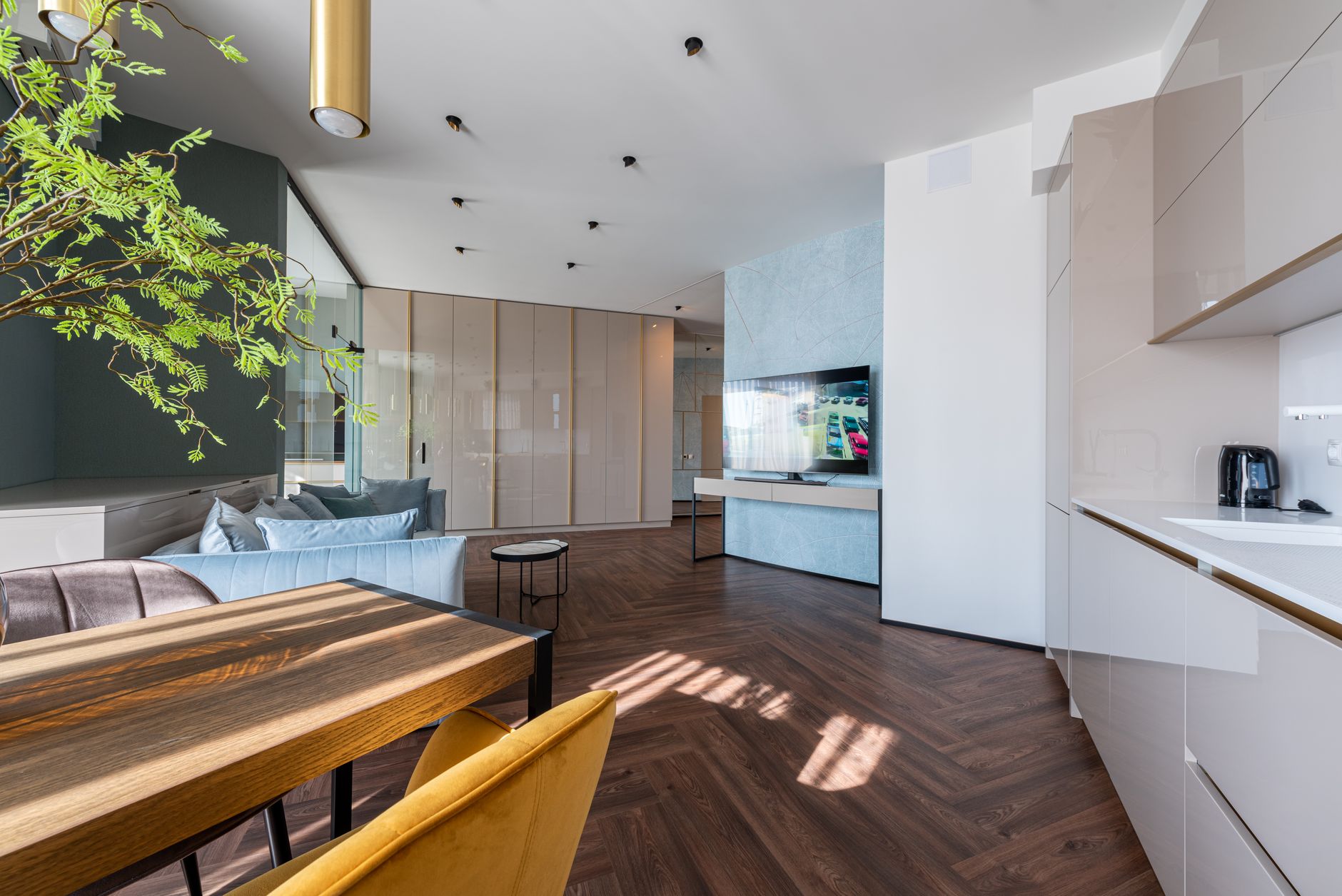
The persistence of hybrid work models has made adaptable spaces essential. Indian homes now feature rooms that effortlessly transition from home offices during the day to entertainment areas in the evening. Furniture with built-in storage, foldable desks, and modular seating arrangements allow residents to maximize limited square footage while maintaining distinct zones for work, relaxation, and family time. Murphy beds, sliding partitions, and convertible furniture have become standard elements in urban apartments.
Sustainable and Local Materials
Environmental consciousness is driving material choices across Indian households. Reclaimed wood, locally sourced stone, handcrafted tiles, and eco-friendly paints are replacing synthetic alternatives. Homeowners are increasingly supporting local artisans and choosing materials with lower carbon footprints. Traditional crafts like Mangalore tiles, Athangudi tiles from Tamil Nadu, and Kota stone are experiencing a renaissance as people seek authentic, sustainable options that also celebrate regional heritage.
Smart Home Integration
Technology integration has become seamless and intuitive. Voice-activated lighting, automated climate control, smart security systems, and energy-efficient appliances are now standard expectations rather than luxury additions. Indian consumers are particularly drawn to solutions that optimize energy consumption, with smart meters, solar panel integration, and app-controlled home systems gaining widespread adoption across urban centers.
Maximalist Indian Aesthetics
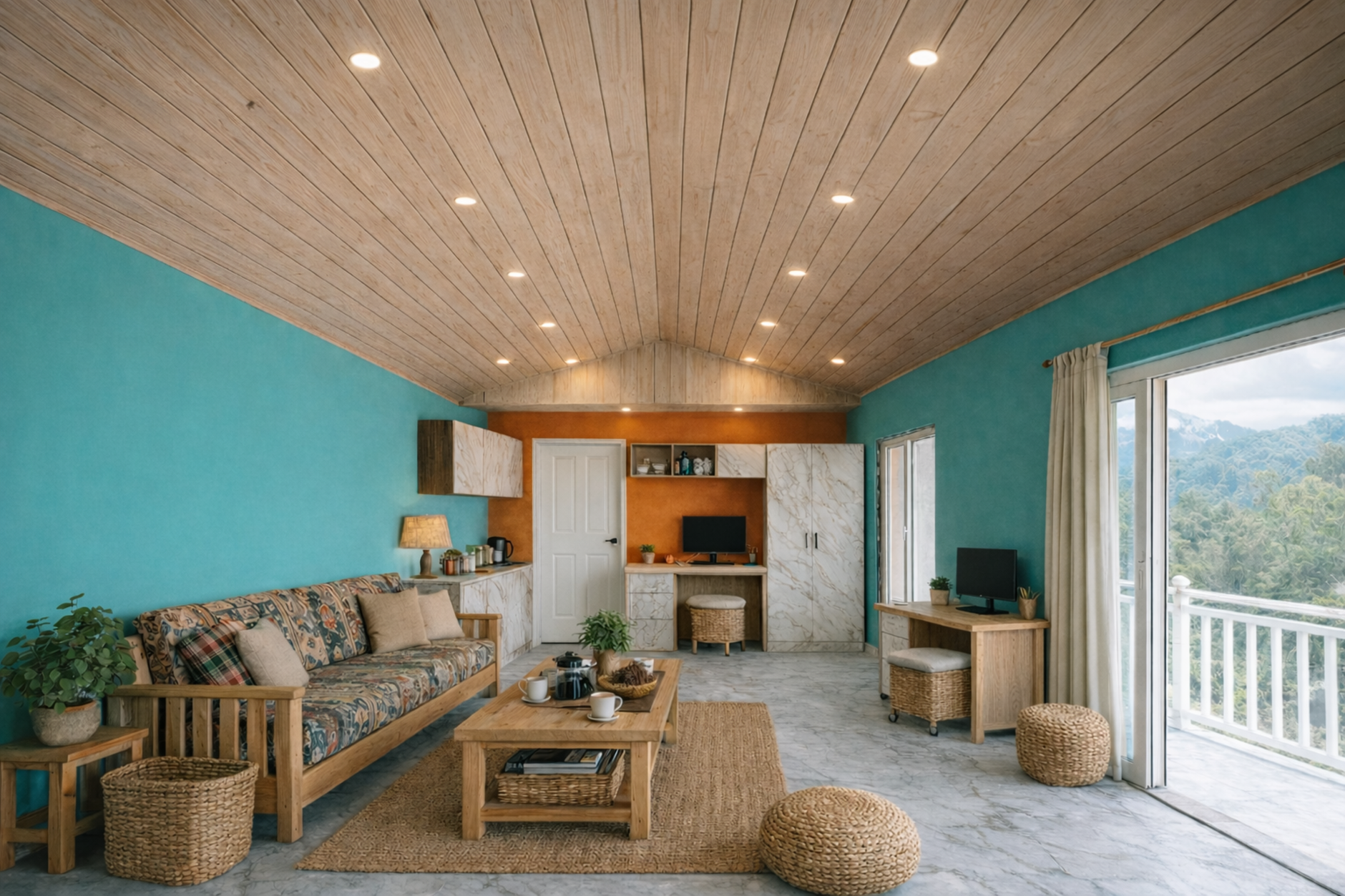
Moving away from the minimalist trends of previous years, many Indian homeowners are embracing maximalist design that celebrates color, pattern, and texture. Bold wallpapers, vibrant textiles, ornate light fixtures, and eclectic furniture arrangements create visually rich environments. This trend reflects a desire to express personality and cultural identity through interior spaces, with traditional motifs and contemporary designs coexisting harmoniously.
Wellness-Focused Bathrooms
Bathrooms are being reimagined as personal sanctuaries dedicated to wellness. Spa-like features including rainfall showers, soaking tubs, ambient lighting, and natural stone finishes transform utilitarian spaces into relaxation zones. Many homes now incorporate separate wet and dry areas, improved ventilation systems, and therapeutic elements like aromatherapy diffusers and heated floors.
Dedicated Pooja Rooms with Contemporary Flair
While maintaining the cultural significance of prayer spaces, modern pooja rooms blend tradition with contemporary design. Clean lines, integrated lighting, and minimalist storage solutions create serene environments for spiritual practice. These spaces often feature beautiful woodwork, brass accents, and thoughtful organization while occupying smaller footprints suitable for urban apartments.
Outdoor Living Extensions
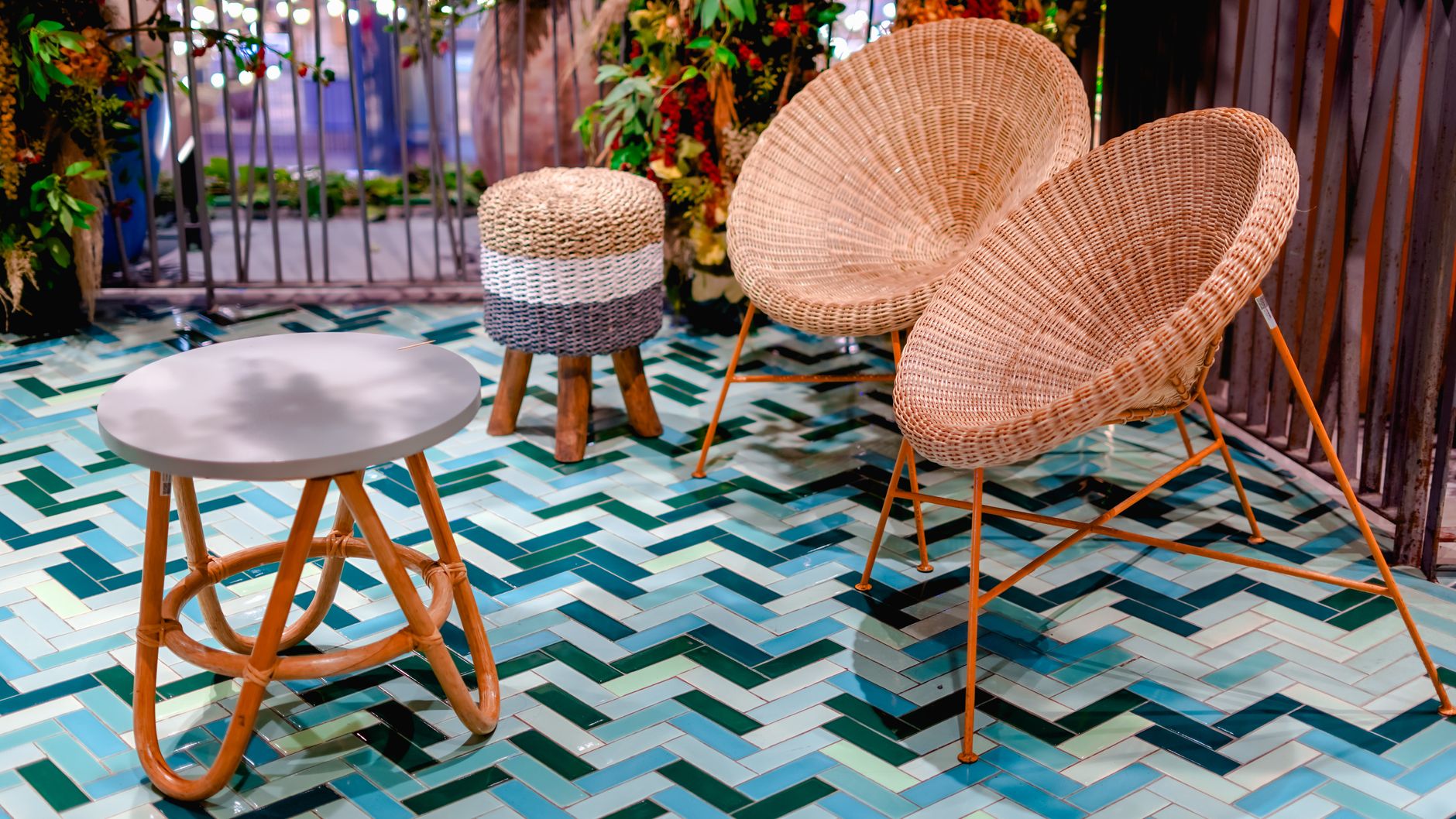
Balconies, terraces, and small yards are being transformed into functional outdoor living areas. Weather-resistant furniture, vertical gardens, outdoor kitchens, and cozy lighting extend usable living space beyond indoor walls. Even modest balconies are being optimized with space-saving planters, compact seating, and decorative elements that create inviting outdoor retreats.
Artisanal and Handcrafted Elements
There is growing appreciation for handmade, artisanal pieces that add character and uniqueness to homes. Hand-painted murals, custom-designed furniture, handwoven textiles, and locally crafted decorative items are preferred over mass-produced alternatives. This trend supports traditional craftspeople while ensuring that homes reflect individual taste rather than generic design templates.
Neutral Palettes with Statement Accents
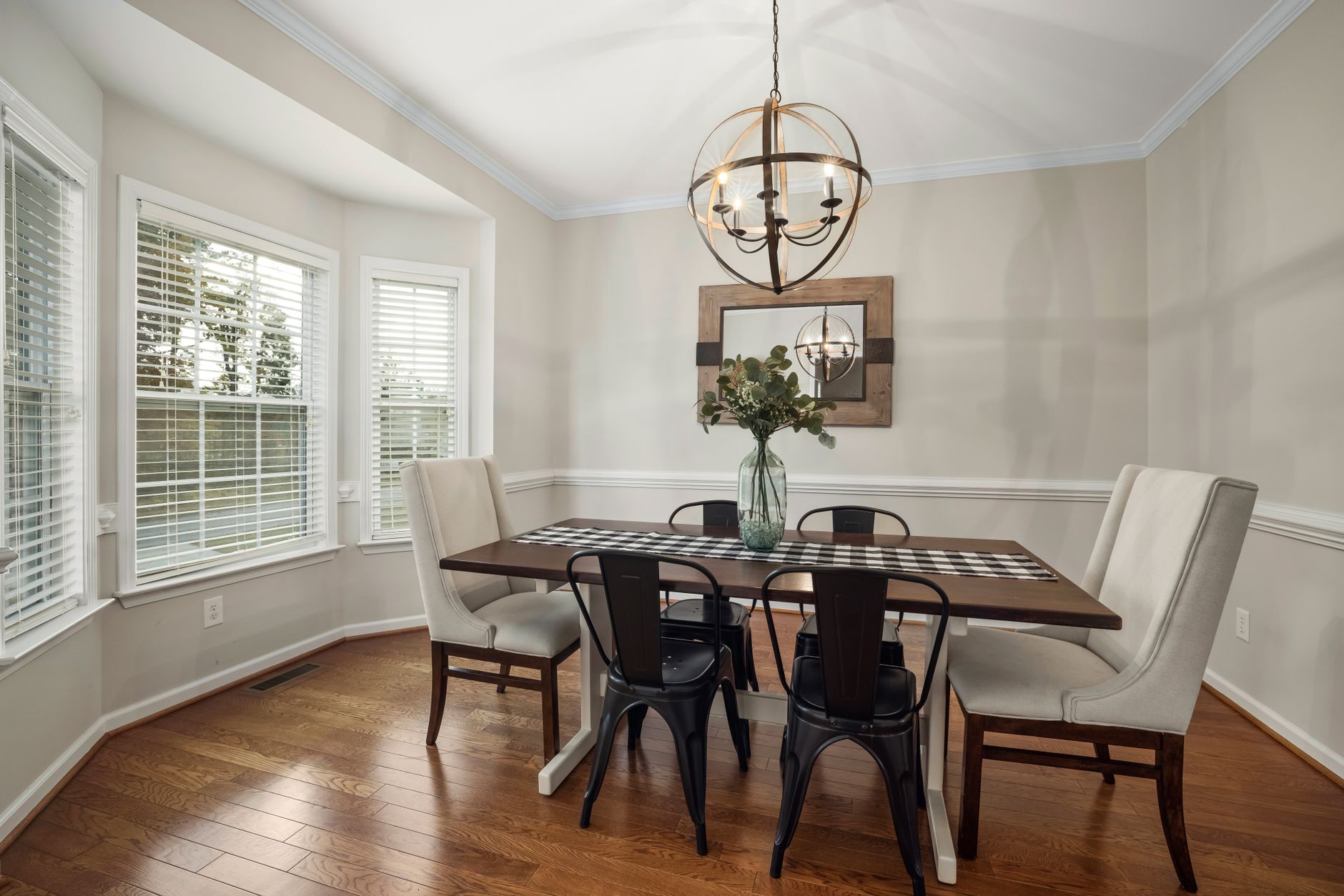
While bold colors remain popular in certain spaces, many homeowners are adopting neutral base palettes complemented by vibrant accent pieces. Earthy tones, soft grays, and warm whites create calm backdrops that allow statement furniture, artwork, or textiles to shine. This approach offers flexibility for seasonal updates without requiring major renovations.
These evolving design preferences reflect how Indian households are adapting to contemporary challenges while honoring cultural traditions, creating homes that are functional, beautiful, and deeply personal.