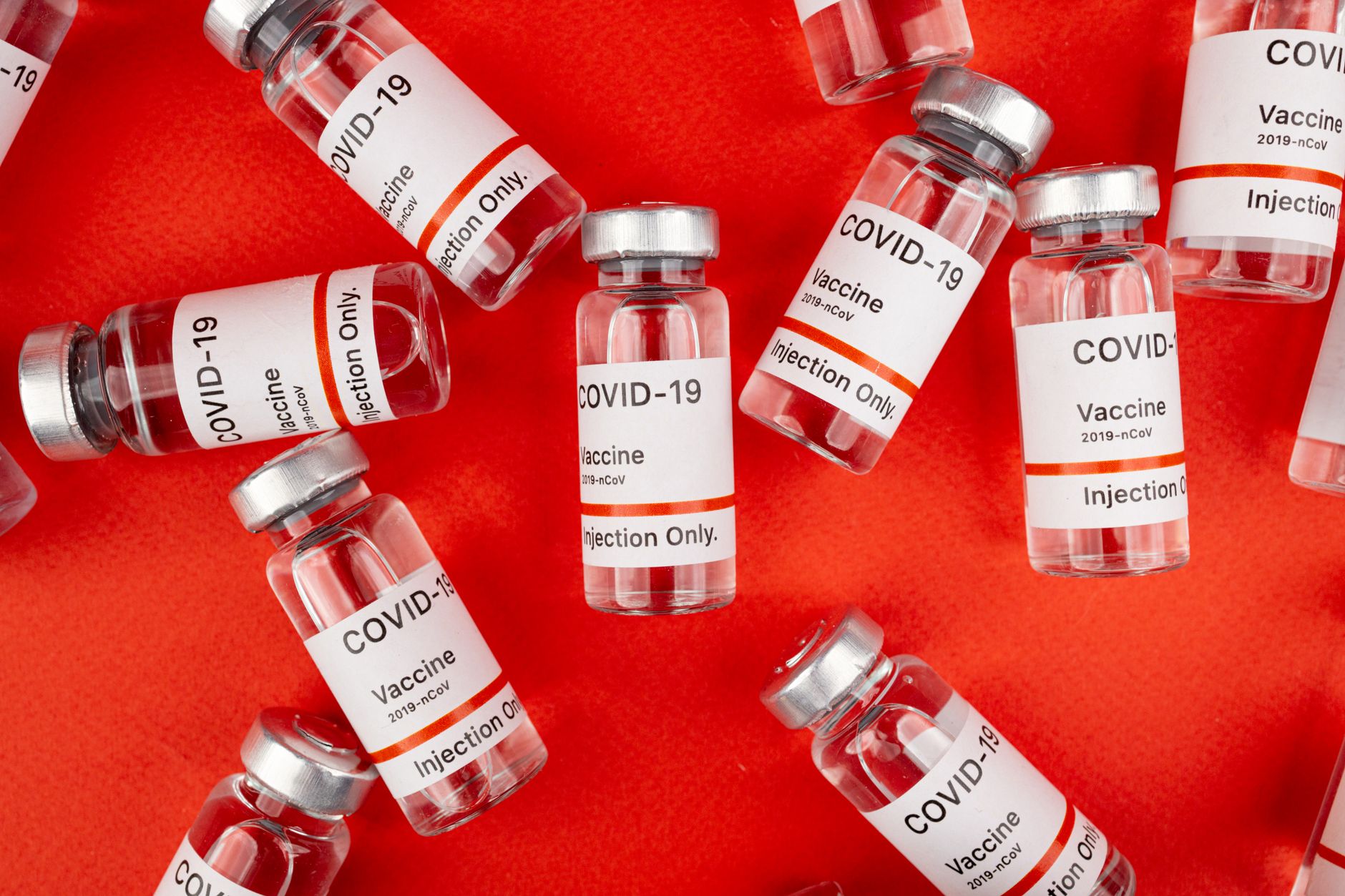
India stands at a critical juncture in its healthcare journey. With a population exceeding 1.4 billion people, the burden on the country's health infrastructure continues to grow. The recent emphasis on preventive healthcare and strengthening research ecosystems signals a fundamental shift in how India approaches public health—moving from a reactive treatment model to a proactive prevention strategy.
Understanding Preventive Healthcare
Preventive healthcare focuses on measures taken to prevent diseases rather than treating them after they occur. This approach encompasses regular health screenings, vaccinations, lifestyle modifications, health education, and early detection programs. Unlike curative medicine, which addresses illness after it develops, preventive care aims to stop health problems before they start or catch them in their earliest, most treatable stages.
The concept extends beyond individual health choices to include public health measures such as sanitation, clean water access, pollution control, and nutrition programs. For a developing nation like India, where healthcare resources are often stretched thin, prevention becomes not just medically sound but economically essential.
The Economic Case for Prevention
The financial argument for preventive healthcare is compelling. Treating chronic diseases such as diabetes, heart disease, and cancer places enormous strain on both family finances and national resources. Studies consistently show that every rupee invested in prevention can save multiple rupees in treatment costs.
India currently spends a significant portion of its healthcare budget on managing preventable diseases. Diabetes alone affects over 77 million Indians, with many cases linked to lifestyle factors. Cardiovascular diseases account for nearly 28 percent of all deaths in the country. Many of these conditions could be prevented or delayed through early intervention, regular screening, and lifestyle changes.
When families avoid catastrophic health expenses, they maintain economic stability. Preventive care reduces hospitalizations, surgical interventions, and long-term medication needs—all of which contribute to household financial stress and sometimes push families into poverty.
Building a Robust Research Ecosystem
A strong research ecosystem forms the foundation of effective preventive healthcare. India needs indigenous research to understand disease patterns specific to its population, genetic variations, environmental factors, and socio-economic conditions that affect health outcomes.
Investing in medical research serves multiple purposes. It helps develop context-appropriate solutions, reduces dependence on foreign medical technology, creates employment opportunities for scientists and researchers, and positions India as a global knowledge hub. Research institutions can identify emerging health threats, evaluate prevention strategies, and develop cost-effective interventions suited to Indian conditions.
Furthermore, a thriving research environment attracts talent, fosters innovation in medical technology and pharmaceuticals, and contributes to the nation's overall scientific advancement. The COVID-19 pandemic demonstrated how crucial domestic research capabilities are for rapid response to health crises.
Key Components of Preventive Healthcare Strategy
Several elements must work together to create an effective preventive healthcare system:
- Regular health screenings and diagnostic camps for early detection of diseases
- Comprehensive vaccination programs covering children and adults
- Health education initiatives promoting nutrition, exercise, and mental wellness
- Workplace wellness programs encouraging healthy practices
- Digital health tools for monitoring and tracking health metrics
- Community health workers providing grassroots awareness and support
- Environmental health measures including pollution control and safe drinking water
Challenges in Implementation
Despite its obvious benefits, implementing preventive healthcare across India faces significant obstacles. Healthcare infrastructure remains unevenly distributed, with rural areas particularly underserved. Public awareness about prevention remains low, with many people seeking medical attention only when seriously ill.
Cultural factors sometimes work against preventive measures, as traditional beliefs may conflict with modern medical advice. The cost of regular check-ups, though less than treatment, can still deter people living on tight budgets. Additionally, India's healthcare workforce shortage means fewer professionals available for preventive counseling and screening programs.
The Path Forward
Transforming India's healthcare system requires coordinated efforts across multiple sectors. Government policies must incentivize preventive care, insurance schemes should cover screening and wellness programs, and medical education should emphasize prevention alongside treatment.
Technology can play a transformative role through telemedicine, health apps, and AI-driven early warning systems. Public-private partnerships can extend preventive services to underserved areas while maintaining quality standards.
The emphasis on prevention and research represents a long-term investment in India's human capital. Healthier citizens contribute more productively to the economy, children perform better academically, and overall quality of life improves across generations.
This article is for general informational purposes only and should not be considered medical advice. Readers should consult qualified healthcare professionals for specific health concerns and treatment recommendations.