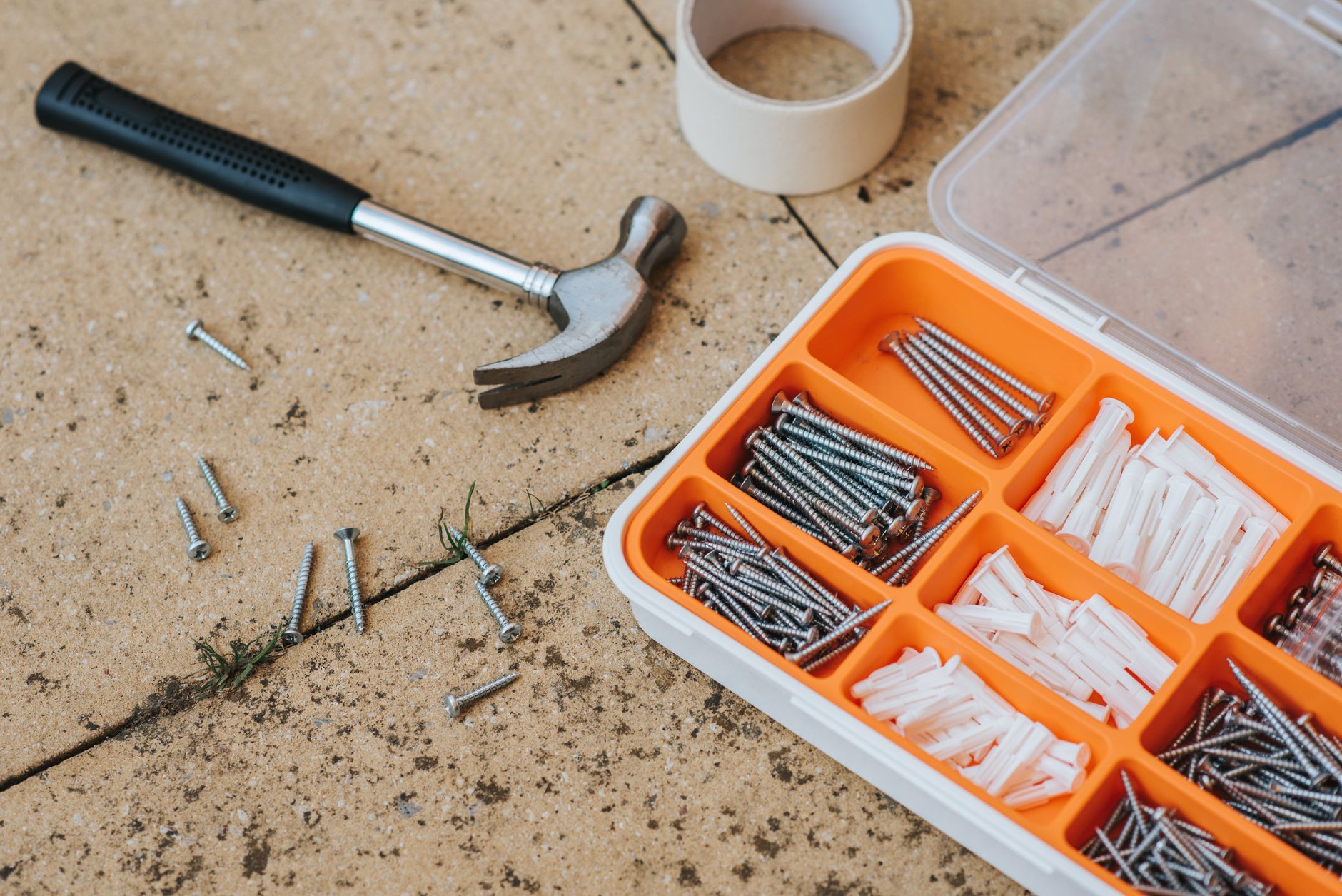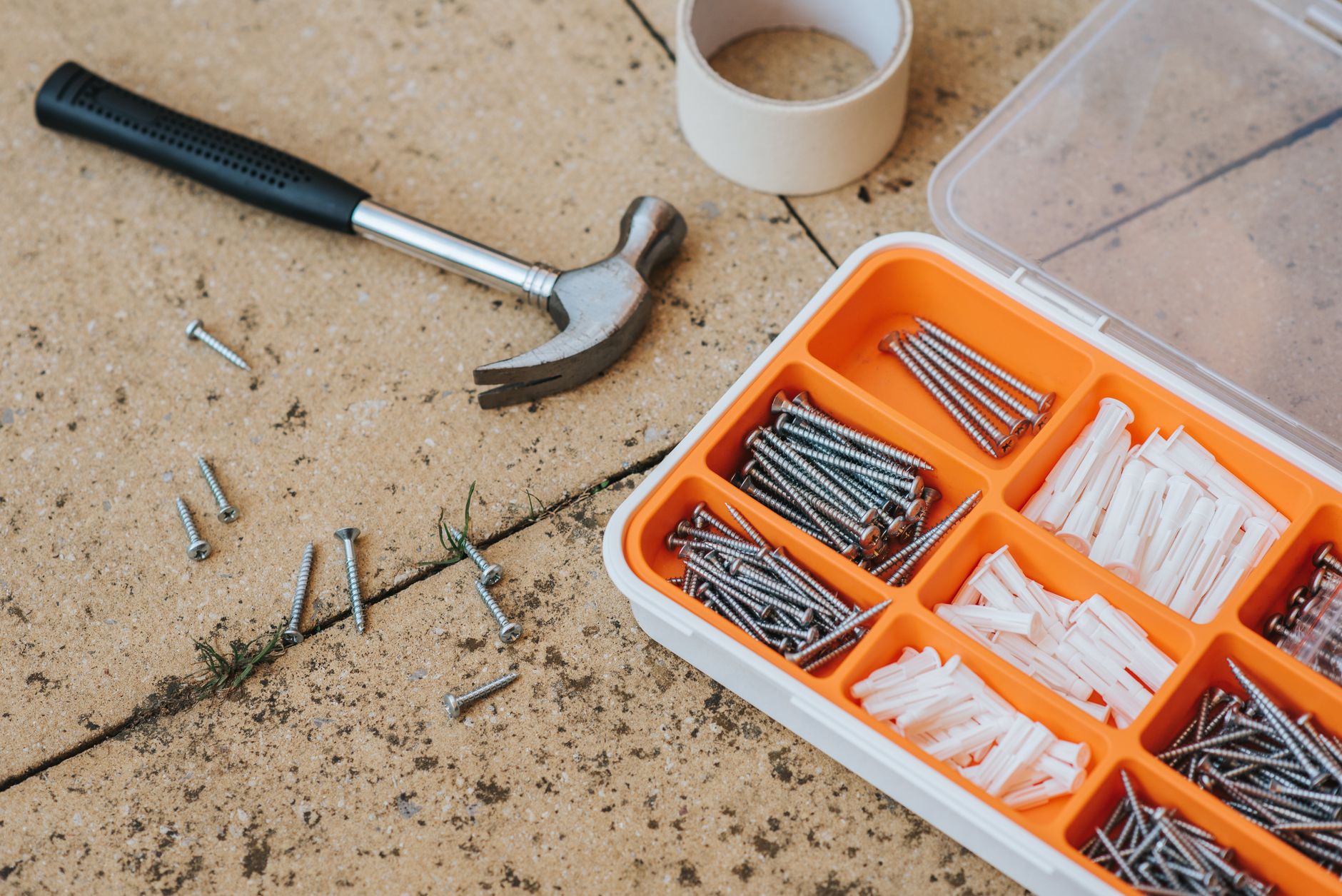
Every homeowner has been there: a leaking tap, a cracked tile, or a flickering light switch that seems simple enough to fix with a quick YouTube tutorial and a trip to the hardware store. The immediate satisfaction of saving a few thousand rupees on professional labour feels brilliant. But some of these quick fixes are financial time bombs that can multiply repair costs several times over.
The Hidden Cost of DIY Plumbing Patches
That leaking pipe you wrapped with waterproof tape or sealed with epoxy putty might have stopped dripping for now. However, these temporary solutions rarely address the underlying issue, whether it's corroded pipes, faulty joints, or water pressure problems. Within months, what could have been a ₹2,000 professional repair becomes a ₹25,000 bathroom renovation when the patch fails and water damages your walls, flooring, and the flat below yours.
Similarly, using chemical drain cleaners repeatedly instead of calling a plumber to clear blocked pipes can corrode your plumbing system from the inside. The chemicals eat away at pipe joints and seals, creating leaks in hidden areas that only surface when significant damage has occurred.
Electrical Shortcuts That Spark Future Expenses
Electrical work is perhaps the riskiest area for amateur fixes. Replacing a switch plate or light fixture might seem straightforward, but improper wiring connections can create fire hazards that remain dormant for months. Loose connections generate heat, slowly degrading surrounding materials until a short circuit occurs.
Using incorrect wire gauges, skipping earthing connections, or overloading circuits with additional appliances are common DIY mistakes. When these issues eventually manifest, you're not just paying for emergency electrician rates, but potentially dealing with fire damage, insurance complications, and safety hazards to your family.
The Waterproofing Trap
Bathroom and terrace waterproofing is another area where quick fixes backfire spectacularly. Applying a coat of waterproof paint or sealant over existing leaks without proper surface preparation or addressing structural cracks provides temporary relief. Monsoon after monsoon, water finds its way through, and the trapped moisture weakens your building's structural integrity.
Professional waterproofing involves removing old layers, treating the concrete base, applying multiple coats with proper curing time, and sometimes redesigning drainage slopes. A ₹15,000 DIY waterproofing attempt often leads to ₹1.5 lakh comprehensive repairs involving false ceiling replacement, plaster work, and neighbouring flat damage compensation.
Structural Modifications Without Engineering Input
Knocking down a seemingly innocent wall to create an open-plan living space, or cutting into a beam to install new plumbing might create your dream layout. But without consulting a structural engineer, you could be compromising your building's load-bearing capacity. The consequences might not appear immediately, but developing cracks, sagging floors, or catastrophic failure during earthquakes or heavy loads are real possibilities.
Rectifying unauthorized structural changes often requires expensive reinforcement work, legal complications with housing society approvals, and potential penalties from municipal authorities.
When DIY Makes Sense
Not all home repairs require professionals. Painting walls, replacing cabinet handles, installing curtain rods, fixing loose screws in furniture, or changing air filter covers are perfectly suitable for DIY enthusiasts. The key distinction is understanding which fixes are purely cosmetic or reversible versus those that involve your home's core systems.
The Smart Approach to Home Repairs
Before attempting any fix yourself, ask these questions:
- Does this involve electrical wiring, plumbing, or structural elements?
- Will this repair be hidden behind walls or difficult to access later?
- Are there building codes or safety regulations involved?
- Would a mistake create safety hazards or expensive secondary damage?
- Is the money saved worth the potential multiplication of costs?
If you answer yes to any of these, the professional route is usually cheaper in the long run. Many homeowners discover that the ₹8,000 they saved on a DIY bathroom repair eventually costs them ₹80,000 in consequential damage repairs.
Professional contractors also provide warranties on their work, ensuring accountability if something goes wrong. Your DIY fix comes with no such safety net.
The satisfaction of fixing something yourself is genuine, but channel that energy into appropriate projects. For critical home systems, invest in professional expertise upfront. Your future self, and your bank balance, will thank you.