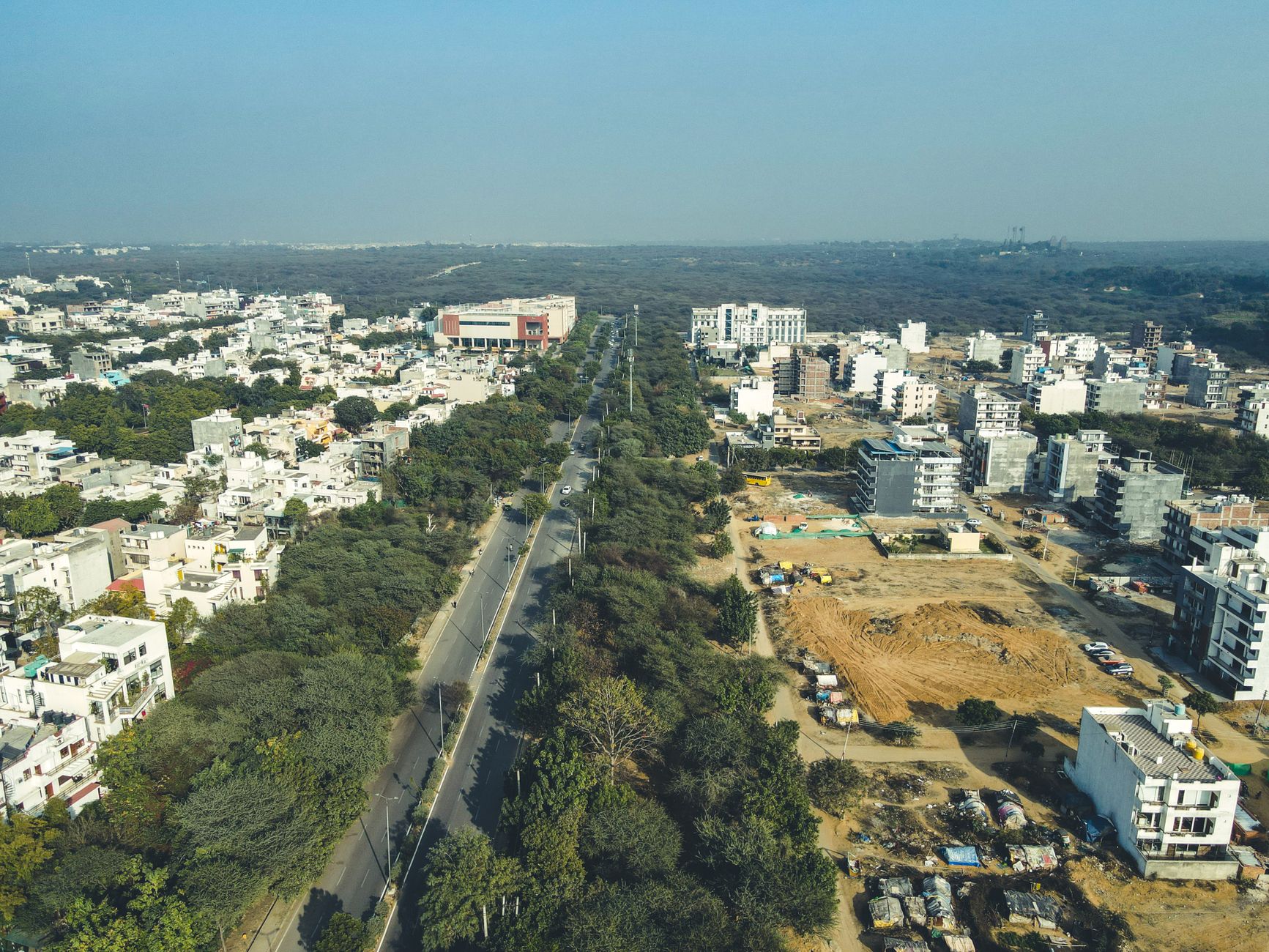
India's real estate sector continues its robust growth trajectory, with the country's 28 major listed property developers collectively recording pre-sales worth Rs 1.95 lakh crore in the financial year 2026. This impressive figure underscores the sustained momentum in the housing market and marks a significant achievement for an industry that has transformed dramatically over the past decade.
Understanding Pre-Sales in Real Estate
Pre-sales, also known as bookings, refer to the value of properties sold before construction is completed or sometimes even before a project is officially launched. This metric is crucial for real estate companies as it indicates market demand, helps secure financing, and provides working capital for ongoing projects. Unlike revenue recognition, which happens over the construction period, pre-sales offer a real-time snapshot of market appetite and developer performance.
Godrej Properties Leads the Charge
Godrej Properties has emerged as the frontrunner among India's listed real estate companies, securing the top position in pre-sales for FY26. The Mumbai-headquartered developer has consistently expanded its footprint across major metropolitan areas, focusing on residential projects that cater to the aspirational middle and upper-middle-class segments. The company's success can be attributed to its brand reputation, timely project deliveries, and strategic land acquisitions in high-growth micro-markets.
Factors Driving Record Pre-Sales
Several interconnected factors have contributed to this remarkable performance by India's real estate sector:
- Stable interest rates and improved home loan accessibility have made property purchases more attractive
- Rising household incomes and growing nuclear families have increased demand for independent housing units
- The work-from-home culture has prompted many professionals to seek larger living spaces
- Government initiatives like RERA have enhanced transparency and buyer confidence
- Tax benefits on home loans continue to incentivize property purchases
- Urbanization trends show no signs of slowing, particularly in tier-1 and tier-2 cities
The Broader Market Landscape
While Godrej Properties leads the pack, the collective success of 28 listed developers indicates a healthy, competitive market. This group includes established players like DLF, Prestige Estates, Oberoi Realty, and Sobha Limited, along with emerging developers who have carved out strong regional presences. The diversity of this cohort ensures that different market segments and geographical areas are well-served, from luxury apartments in Mumbai and Bangalore to affordable housing projects in tier-2 cities.
Regional Performance Variations
The Rs 1.95 lakh crore in pre-sales comes from varied geographical markets across India. Metropolitan cities like Mumbai, Bangalore, Delhi-NCR, and Pune continue to dominate in absolute terms, driven by employment opportunities and infrastructure development. However, tier-2 cities have shown impressive growth rates, with developers increasingly focusing on these emerging markets where land costs are lower and demand is rising rapidly.
Impact of Technology and Marketing
Modern real estate developers have embraced digital transformation, utilizing virtual tours, AI-powered customer service, and sophisticated CRM systems to enhance buyer experiences. Digital marketing campaigns, coupled with strategic channel partnerships, have expanded reach significantly. Many companies have also launched mobile apps that allow potential buyers to explore projects, check availability, and even make booking payments online, streamlining the entire purchase journey.
Future Outlook for the Sector
The strong pre-sales performance in FY26 sets a positive tone for the coming years. Industry analysts expect continued growth, albeit potentially at moderated rates, as the sector matures. Key trends to watch include increased focus on sustainable construction, integration of smart home technologies, and development of integrated townships that combine residential, commercial, and recreational spaces.
The consolidation trend is likely to continue, with well-capitalized listed developers gaining market share from smaller, unorganized players. Additionally, the sector's ability to maintain delivery timelines and quality standards will be crucial in sustaining buyer confidence and achieving similar pre-sales figures in subsequent years.
This article is for general informational purposes only and should not be considered as investment advice. Readers should conduct their own research and consult with qualified financial advisors before making any property investment decisions. Past performance of real estate companies does not guarantee future results.