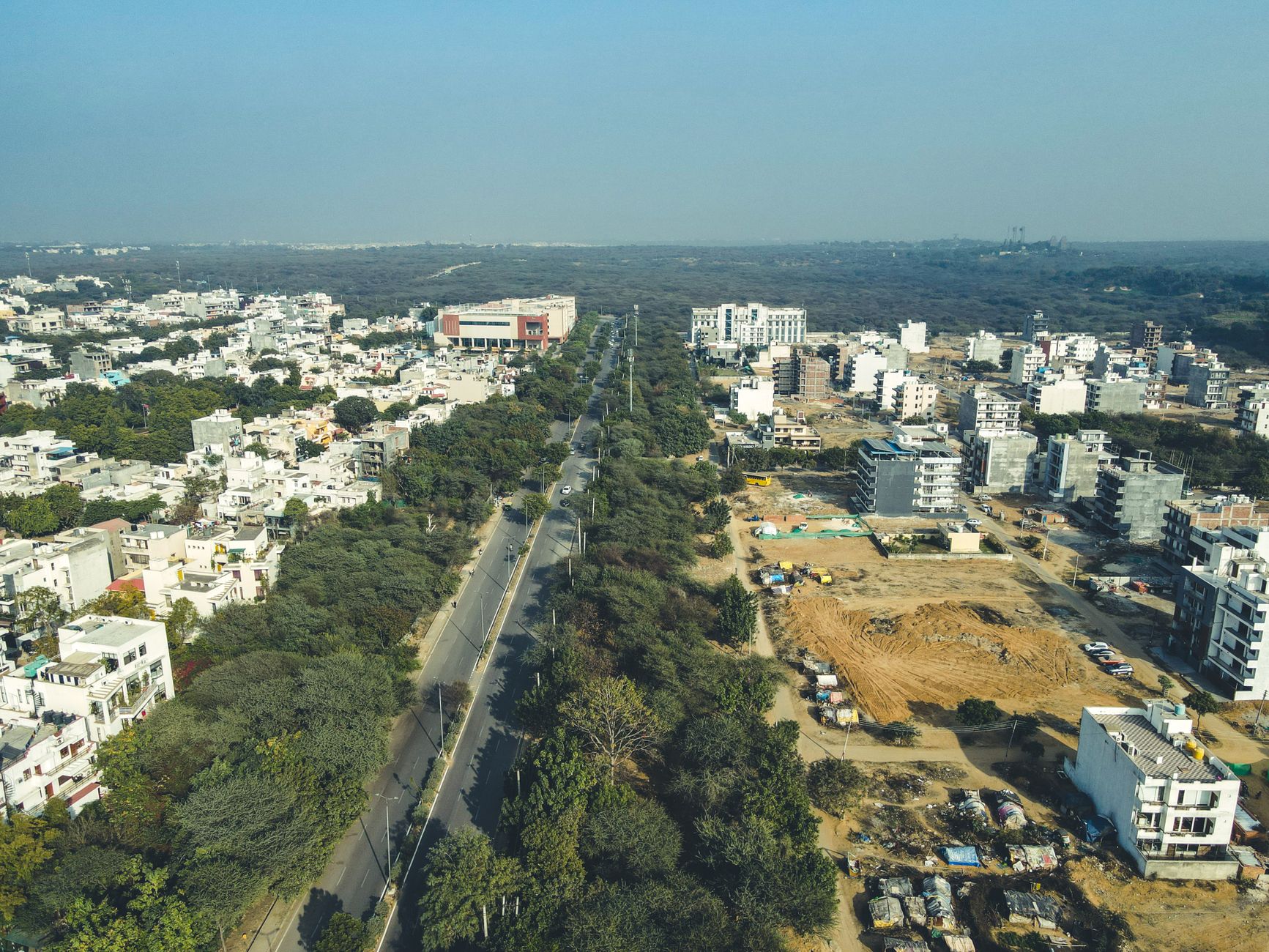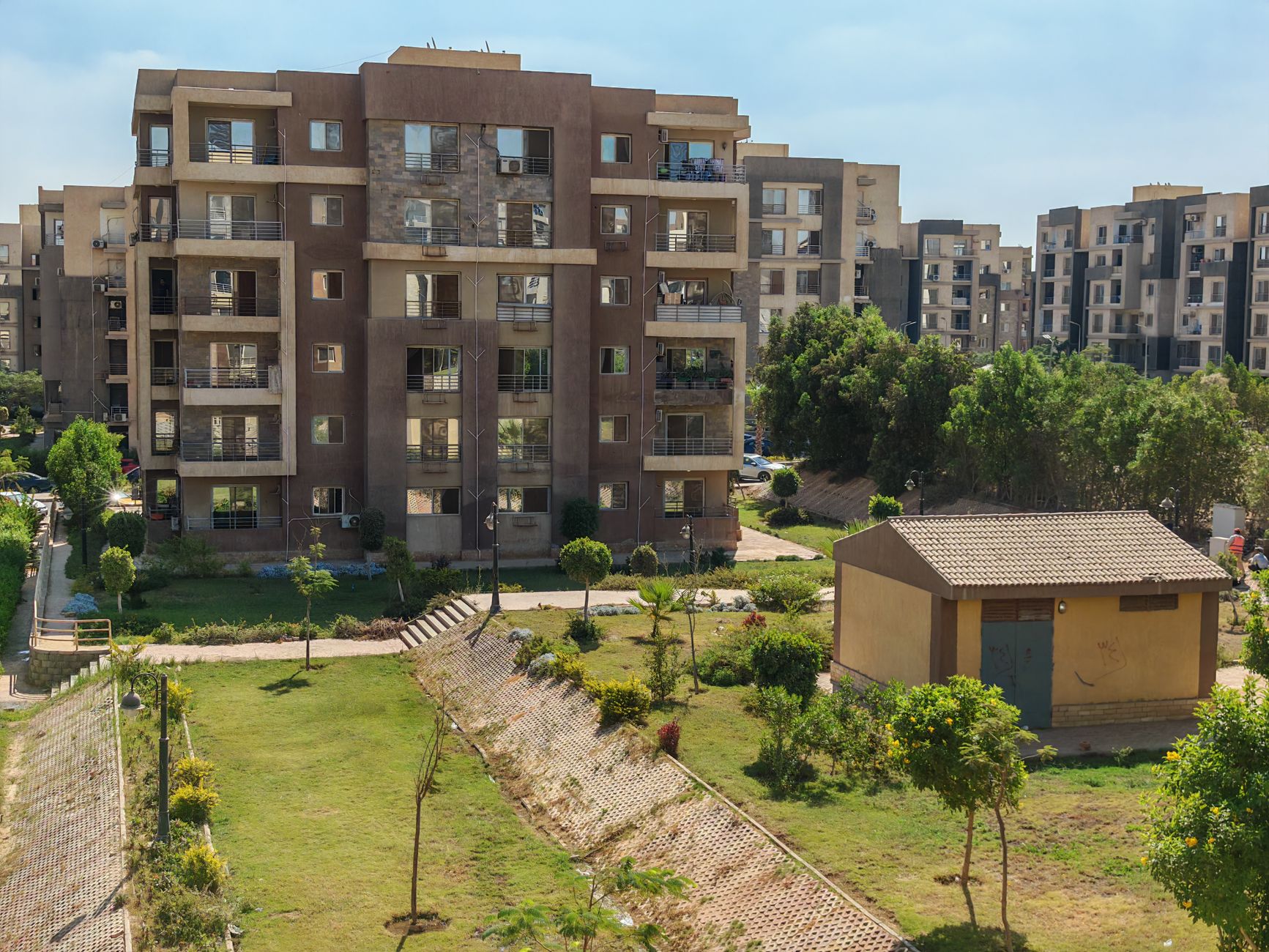
India's real estate market has witnessed remarkable growth over the past few years, with property prices soaring in major metropolitan areas and new developments reshaping city skylines. However, beneath this glittering success story lies a troubling reality: the vast majority of Indians are being priced out of homeownership as developers focus on high-margin luxury projects while affordable housing remains severely undersupplied.
The Affordable Housing Crisis
The gap between housing demand and supply in the affordable segment has widened considerably. According to various industry estimates, India faces a shortage of approximately 10 million affordable housing units in urban areas alone. This deficit primarily affects families earning between Rs 3 lakh and Rs 12 lakh annually, who find themselves unable to afford market-rate housing yet earn too much to qualify for government subsidized schemes.
The problem is particularly acute in tier-1 cities like Mumbai, Bengaluru, Delhi-NCR, and Pune, where property prices have increased by 30-50 percent over the past five years. A basic two-bedroom apartment in these cities now costs upwards of Rs 80 lakh to Rs 1.5 crore, placing homeownership beyond the reach of teachers, nurses, government employees, and other middle-class professionals who form the backbone of urban economies.
Why Developers Favor Premium Projects
Real estate developers have shown a marked preference for luxury and premium housing segments, and the economics explain why. Premium projects deliver profit margins of 25-35 percent compared to just 10-15 percent for affordable housing. Additionally, luxury apartments require less volume and fewer units to achieve the same revenue, making them operationally simpler to execute.
The regulatory environment has also inadvertently discouraged affordable housing development. High land costs, particularly in urban centers, make it nearly impossible to build genuinely affordable units without compromising on location or quality. When land acquisition alone consumes 40-50 percent of project costs, developers cannot profitably sell apartments at prices accessible to lower-income buyers.
Government Initiatives Fall Short
The Indian government has launched several initiatives aimed at bridging this gap. The Pradhan Mantri Awas Yojana (PMAY) seeks to provide housing for all by offering interest subsidies and direct assistance to homebuyers and developers. The scheme has helped millions, yet it remains insufficient given the scale of demand.
Challenges include:
- Slow implementation and bureaucratic delays in approving affordable housing projects
- Limited availability of suitable land parcels at reasonable prices
- Insufficient incentives for private developers to compensate for lower profit margins
- Credit access issues for low-income families despite subsidy schemes
- Quality concerns in many affordable housing projects leading to buyer hesitation
The Ripple Effects
The affordable housing shortage creates cascading problems throughout urban ecosystems. Workers are forced to live in informal settlements or slums, often in unsanitary conditions without proper infrastructure. Long commutes from distant affordable areas to city centers increase transportation costs, reduce productivity, and contribute to pollution and traffic congestion.
Cities also lose essential workers who cannot afford to live near their workplaces. This shortage affects service delivery across sectors, from healthcare to education to hospitality, as hospitals, schools, and hotels struggle to retain staff who cannot find nearby housing.
Potential Solutions
Addressing this crisis requires coordinated action from multiple stakeholders. State governments need to streamline land acquisition and approval processes specifically for affordable housing. Offering higher Floor Space Index (FSI) ratios for affordable projects could help developers improve profitability while keeping unit prices low.
Public-private partnerships could unlock government-owned land for affordable development, sharing risks and rewards between public entities and private builders. Innovative financing models, including rent-to-own schemes and housing microfinance, could help families gradually build equity rather than requiring large upfront payments.
Technology and construction innovation also hold promise. Prefabricated and modular construction techniques can reduce building costs by 20-30 percent while maintaining quality standards. Several startups and established companies are now exploring these methods specifically for the affordable segment.
The Path Forward
India's real estate boom cannot be considered truly successful while it excludes the vast majority of citizens from homeownership. As the country aims to become a developed economy, ensuring adequate affordable housing must be recognized as both an economic imperative and a social responsibility. Without corrective measures, the gap between India's real estate success story and the housing reality for ordinary families will only continue to widen, creating deeper social and economic divisions in rapidly growing cities.