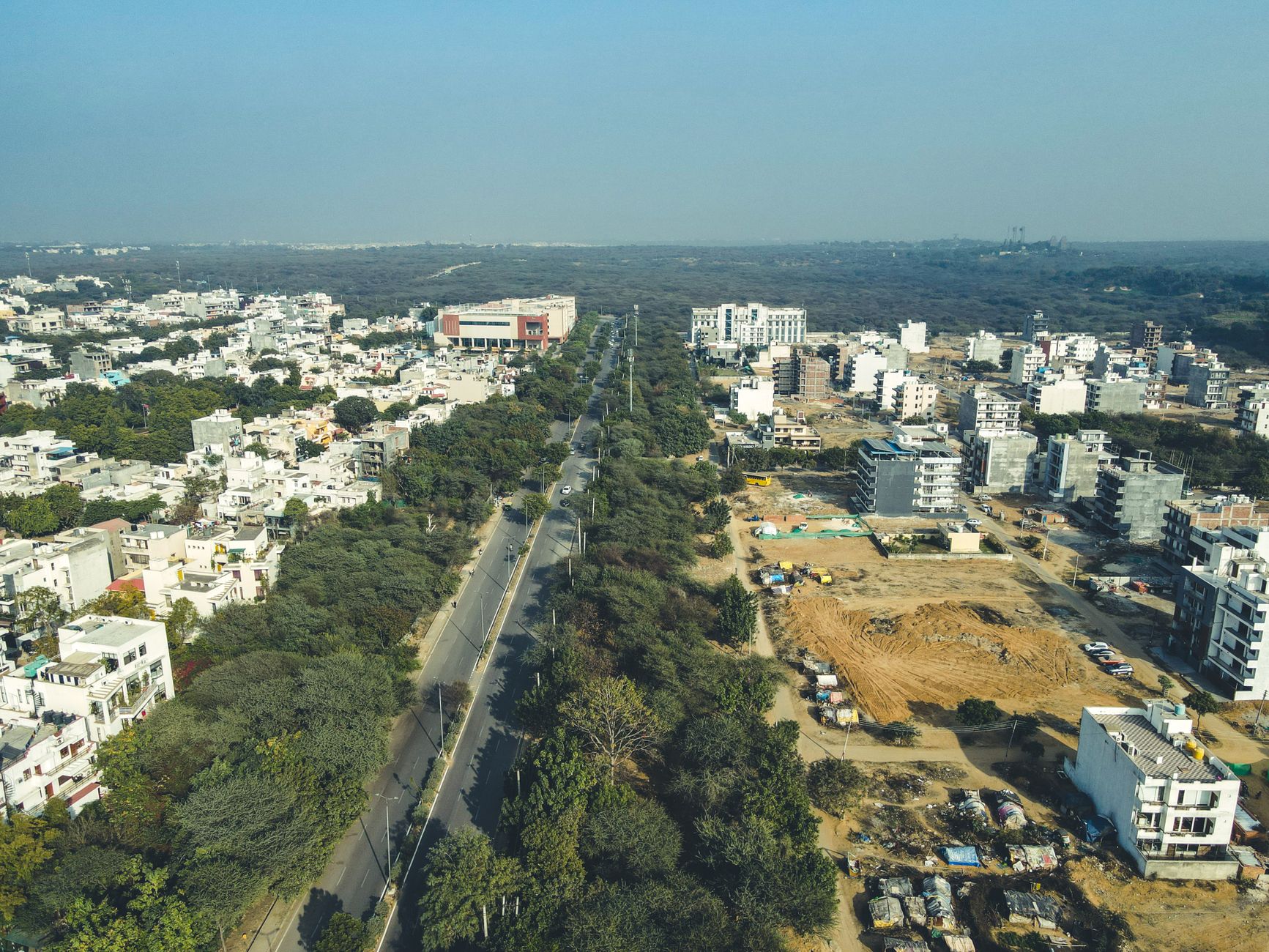
Non-Resident Indians have long maintained strong connections with their homeland, and nowhere is this more evident than in the real estate sector. Recent trends show that NRIs are increasingly investing in Indian property, creating a boom that has transformed residential markets across multiple cities. This surge in demand has led to impressive absorption rates, with certain metropolitan areas emerging as clear favourites among overseas Indian investors.
Understanding the NRI Property Phenomenon
The current NRI property boom is underpinned by several factors that have aligned to create ideal conditions for investment. Regulatory reforms such as the liberalisation of foreign exchange rules, streamlined repatriation processes, and the introduction of digital documentation have made property transactions significantly easier for overseas Indians. Additionally, the depreciation of the rupee against major currencies has made Indian real estate more affordable for NRIs earning in dollars, pounds, or euros.
Many NRIs view property investment in India as a means to maintain roots while building a retirement plan. Others see it as an opportunity to provide accommodation for ageing parents or as a rental income source. The emotional pull of owning a piece of home cannot be understated, even as pragmatic investment considerations drive decision-making.
Cities Recording Highest Absorption Rates
Mumbai continues to lead the NRI property market, with South Mumbai, Bandra, Andheri, and the Bandra-Kurla Complex attracting significant interest. The city's status as India's financial capital, coupled with world-class infrastructure and connectivity, makes it a perennial favourite. Premium projects and luxury apartments in these neighbourhoods see rapid absorption, often selling out during the pre-launch phase itself.
Bengaluru has emerged as another powerhouse, particularly among tech-sector NRIs. Areas such as Whitefield, Electronic City, Sarjapur Road, and North Bengaluru are witnessing strong demand. The city's position as India's Silicon Valley resonates with NRIs working in technology hubs abroad, who view Bengaluru properties as both investment opportunities and potential return-home options.
The National Capital Region, encompassing Gurugram, Noida, and Greater Noida, has seen substantial NRI investment. Gurugram's Golf Course Extension Road and Dwarka Expressway corridor, along with Noida's Sector 150 and the upcoming Jewar Airport region, are recording impressive absorption rates. The improved infrastructure and connectivity projects have boosted confidence among overseas investors.
Pune has established itself as a major draw, particularly for NRIs from the United States and United Kingdom. Localities such as Baner, Balewadi, Hinjewadi, and Kharadi offer a combination of IT sector growth, educational institutions, and comparatively affordable property prices. The city's pleasant climate and cultural richness add to its appeal.
Emerging Contenders in the NRI Market
Beyond the traditional metros, several tier-2 cities are gaining traction. Ahmedabad has witnessed growing interest due to its robust industrial base and improving infrastructure. Chandigarh attracts NRIs from Punjab and Haryana settled abroad, while Kochi appeals to those from Kerala's large Gulf diaspora.
Hyderabad's information technology sector expansion has made areas like HITECH City, Gachibowli, and Kokapet attractive to NRI buyers. The city's transparent governance and business-friendly policies have enhanced investor confidence.
Investment Patterns and Preferences
NRI buyers typically gravitate toward properties from reputed developers with proven track records. Ready-to-move-in properties or near-completion projects are preferred over under-construction ones, reflecting a desire to minimize risk and hassle. Gated communities with comprehensive amenities appeal strongly, as do properties in locations with strong rental yields.
The ticket size for NRI investments generally falls in the premium and luxury segments, ranging from Rs 1 crore to Rs 5 crore, though this varies significantly by city and location. Many NRIs also invest in commercial properties, particularly in IT parks and co-working spaces, viewing them as portfolio diversification.
Navigating the Process
Technology has simplified the NRI property buying journey considerably. Virtual site visits, digital documentation, and online payment gateways enable transactions without physical presence. Many developers have established dedicated NRI cells to facilitate purchases, offering services such as power of attorney execution, property management, and rental assistance.
The regulatory framework, including FEMA guidelines and RBI regulations, governs NRI property transactions. While agricultural land and plantation property purchases are restricted, residential and commercial properties are accessible. Understanding repatriation limits and tax implications, including capital gains tax and TDS requirements, remains crucial.
Future Outlook
The NRI property boom shows no signs of abating. With India's economy projected to grow steadily, urbanization accelerating, and infrastructure development continuing apace, overseas Indians are likely to maintain strong interest in homeland real estate. The emotional and financial returns from such investments create a compelling proposition that transcends pure financial metrics.
This article is for general informational purposes only and should not be construed as financial or legal advice. Prospective property buyers should consult qualified professionals including real estate advisors, tax consultants, and legal experts before making investment decisions.