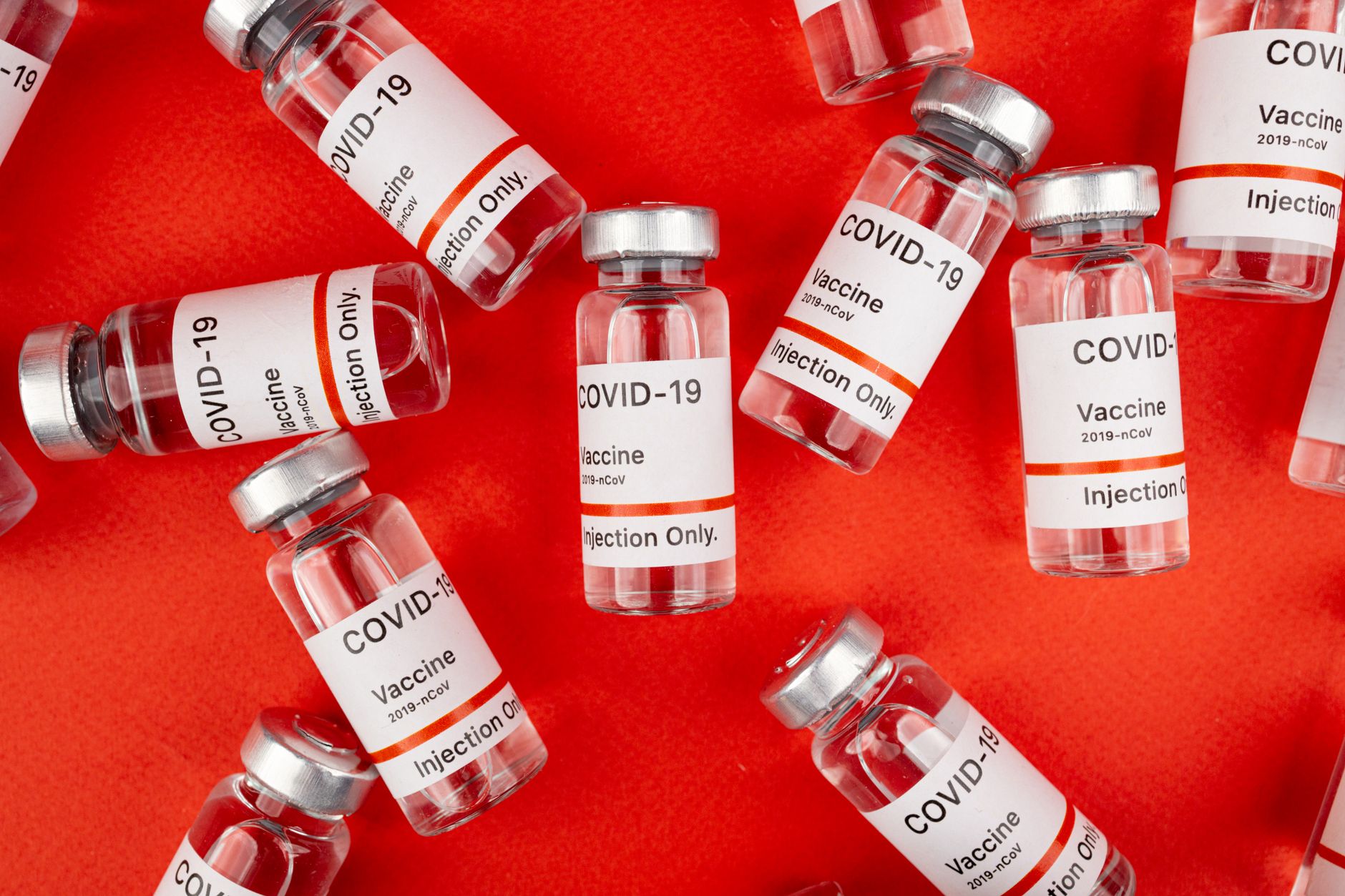
India has taken a major step forward in public health with the approval of QDENGA, the country's first dengue vaccine. This development comes as a relief for a nation where dengue fever remains a persistent health challenge, particularly during monsoon seasons when mosquito-borne diseases surge.
Understanding Dengue and Its Impact in India
Dengue fever is a viral infection transmitted by Aedes mosquitoes, causing symptoms ranging from high fever and severe headaches to joint pain and, in severe cases, life-threatening complications like dengue hemorrhagic fever. India reports hundreds of thousands of dengue cases annually, with numbers often spiking during and after the rainy season when mosquito breeding intensifies.
The disease places a significant burden on healthcare systems and affects productivity, particularly in urban and semi-urban areas where Aedes mosquitoes thrive. Until now, prevention efforts focused primarily on mosquito control and public awareness campaigns, making the arrival of a vaccine a game-changer.
What is QDENGA?
QDENGA is a live-attenuated vaccine developed by Takeda Pharmaceuticals. It is designed to protect against all four dengue virus serotypes (DENV-1, DENV-2, DENV-3, and DENV-4). This comprehensive coverage is crucial because infection with one serotype does not provide immunity against the others, and subsequent infections with different serotypes can lead to more severe disease.
The vaccine has already received regulatory approval in several countries across Europe, Latin America, and Asia before arriving in India. Its approval by Indian health authorities follows rigorous evaluation of clinical trial data demonstrating its safety and efficacy profile.
Effectiveness of QDENGA
Clinical trials have shown that QDENGA offers substantial protection against dengue infection. The vaccine demonstrates approximately 80 percent overall efficacy in preventing symptomatic dengue disease. More importantly, it shows even higher effectiveness in preventing hospitalization due to dengue, with efficacy rates exceeding 90 percent for severe cases requiring medical intervention.
The vaccine's protection remains consistent across all four dengue serotypes, though efficacy may vary slightly between them. Long-term follow-up studies indicate that protection persists for at least four to five years after completing the vaccination schedule, though ongoing research continues to monitor its duration of immunity.
Dosage Schedule
QDENGA follows a two-dose schedule administered subcutaneously. The second dose should be given three months after the first dose. This interval is important for optimal immune response and should be adhered to as closely as possible.
Both doses are necessary to achieve the full protective effect of the vaccine. Individuals who receive only one dose will have incomplete immunity and remain vulnerable to dengue infection.
Who is Eligible for QDENGA?
The vaccine is approved for individuals aged 4 to 60 years living in dengue-endemic areas. This age range covers the population groups most vulnerable to dengue complications while ensuring safety based on clinical trial data.
One significant advantage of QDENGA is that it can be administered regardless of previous dengue infection history. Unlike some earlier dengue vaccines that were recommended only for people with prior dengue exposure, QDENGA has been found safe and effective for both dengue-naive individuals and those who have previously been infected.
Who Should Avoid the Vaccine?
Certain groups should not receive QDENGA, including pregnant women, breastfeeding mothers, and individuals with severely compromised immune systems. People with acute febrile illness should postpone vaccination until recovery. As with any medical intervention, consultation with a healthcare provider is essential to determine individual suitability.
Availability and Next Steps
Following regulatory approval, QDENGA is expected to become available through private healthcare facilities initially. The pricing and eventual inclusion in public immunization programs will depend on various factors, including government health policies and procurement decisions.
Health experts emphasize that while the vaccine represents a powerful new tool, it should complement rather than replace existing dengue prevention measures. Mosquito control, eliminating breeding sites, using repellents, and wearing protective clothing remain important strategies in the comprehensive fight against dengue.
This article is for general informational purposes only and should not be considered medical advice. Individuals should consult qualified healthcare professionals to determine their personal eligibility for QDENGA and discuss any specific health concerns or conditions before vaccination.