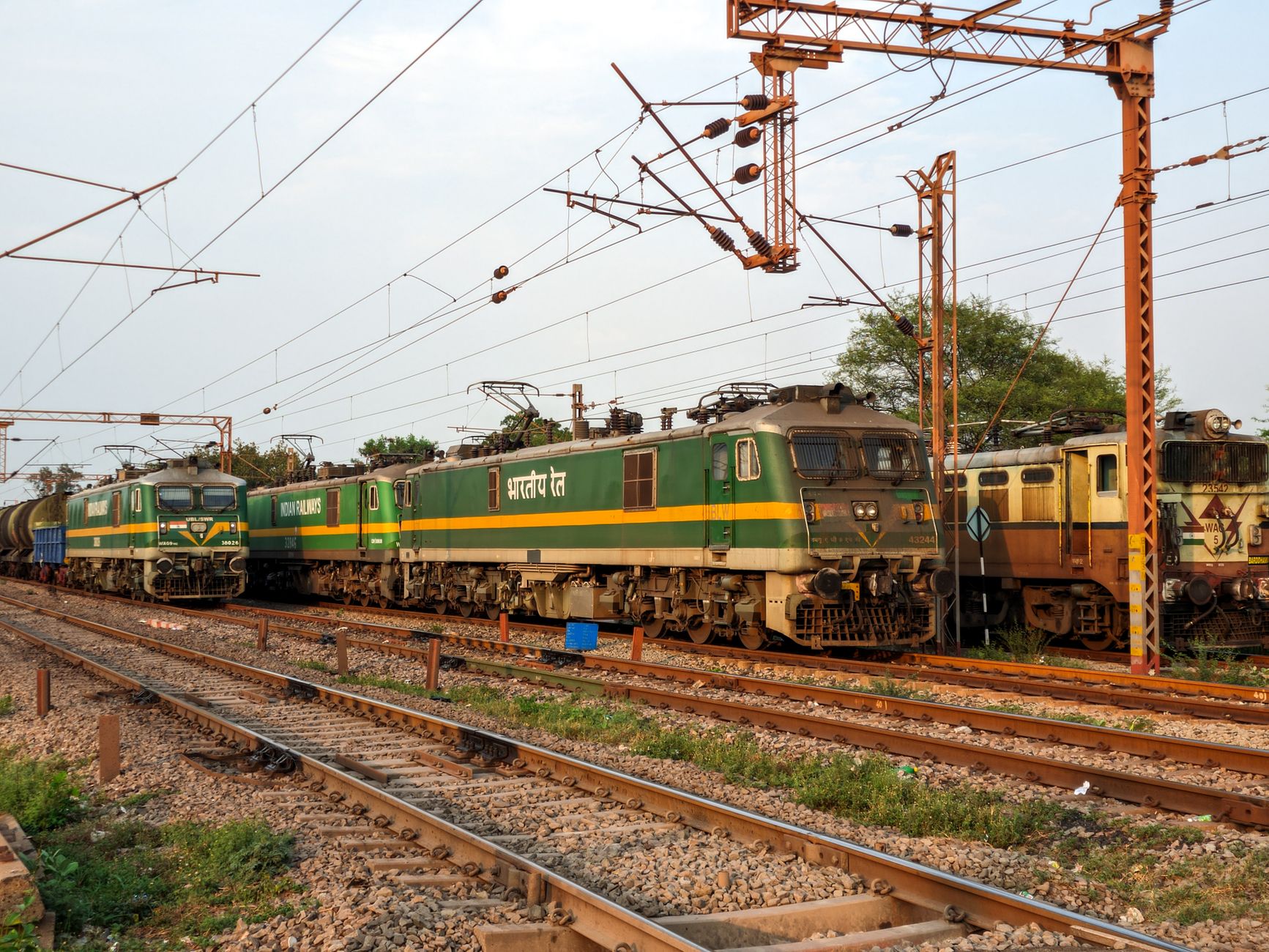
India's railway sector has achieved a major breakthrough in sustainable transportation with the retention of intellectual property rights for indigenous hydrogen train technology. This development positions the country among a select group of nations capable of designing, developing, and manufacturing hydrogen-powered rail systems independently.
Understanding Hydrogen Train Technology
Hydrogen trains represent the next generation of clean rail transport. Unlike conventional diesel locomotives or even electric trains that depend on overhead power lines, hydrogen trains generate electricity onboard through fuel cells. These fuel cells combine hydrogen with oxygen from the air, producing only water vapor and heat as byproducts, making them completely emission-free during operation.
The technology offers several advantages over traditional railway systems. Hydrogen trains can operate on non-electrified tracks without requiring expensive infrastructure like overhead cables or third rails. They provide comparable performance to diesel trains in terms of speed and range while eliminating carbon emissions and local air pollution.
Significance of IP Ownership
Retaining intellectual property rights for this technology carries substantial strategic and economic implications for India. First, it ensures that Indian Railways and related industries won't need to pay licensing fees or royalties to foreign entities for using or manufacturing these trains domestically. This translates to significant long-term cost savings as the technology scales up.
Second, IP ownership opens revenue opportunities through potential licensing agreements with other countries interested in adopting hydrogen rail technology. As nations worldwide seek cleaner transportation alternatives, India could emerge as a technology provider rather than merely a consumer.
Third, it strengthens India's position in the global clean technology market and aligns with the government's Atmanirbhar Bharat (self-reliant India) initiative, demonstrating the country's growing capabilities in advanced engineering and innovation.
India's Railway Modernization Journey
Indian Railways, one of the world's largest railway networks, has been actively pursuing decarbonization goals. The organization has committed to becoming a net-zero carbon emitter by 2030, an ambitious target requiring multiple technological interventions.
The development of hydrogen train technology fits within this broader modernization framework that includes:
- Electrification of remaining non-electrified routes
- Introduction of semi-high-speed and high-speed rail corridors
- Deployment of renewable energy sources for powering railway operations
- Upgrading signaling and safety systems
- Modernizing stations and passenger amenities
Hydrogen trains particularly suit routes where electrification isn't economically viable due to low traffic density, difficult terrain, or heritage considerations.
Technical Development and Testing
The indigenous hydrogen train project likely involved collaboration between Indian Railways, research institutions like the Railway Energy Management Company Limited (REMCL), and domestic technology partners. Developing such technology requires expertise across multiple domains including fuel cell systems, hydrogen storage, power management, and railway engineering.
Testing phases for hydrogen trains typically involve rigorous safety assessments, performance evaluations under various operating conditions, and integration trials with existing railway infrastructure. The technology must meet stringent safety standards given that hydrogen is highly flammable and requires specialized handling protocols.
Global Context
Globally, only a handful of countries have successfully developed and deployed hydrogen train technology. Germany launched the world's first hydrogen-powered passenger trains for commercial service in 2018. France, the United Kingdom, China, and Japan have also been developing or testing their own versions.
India's entry into this exclusive group with indigenous technology demonstrates the country's advancing technical capabilities and commitment to sustainable development. It also provides an alternative to complete dependence on imported technology, which can be expensive and subject to geopolitical considerations.
Future Implications
The retention of IP rights sets the stage for scaling up hydrogen train deployment across India's vast railway network. Initially, these trains might be introduced on specific routes as pilot projects, gradually expanding as the technology matures and hydrogen infrastructure develops.
Beyond railways, the hydrogen technology ecosystem developed for trains could have spillover benefits for other transport sectors, including buses, trucks, and potentially maritime applications. It could also stimulate growth in India's hydrogen production industry, particularly green hydrogen produced using renewable energy.
The development represents not just a technological achievement but also a strategic positioning in the emerging global hydrogen economy, where India aims to become both a major producer and consumer of clean hydrogen.