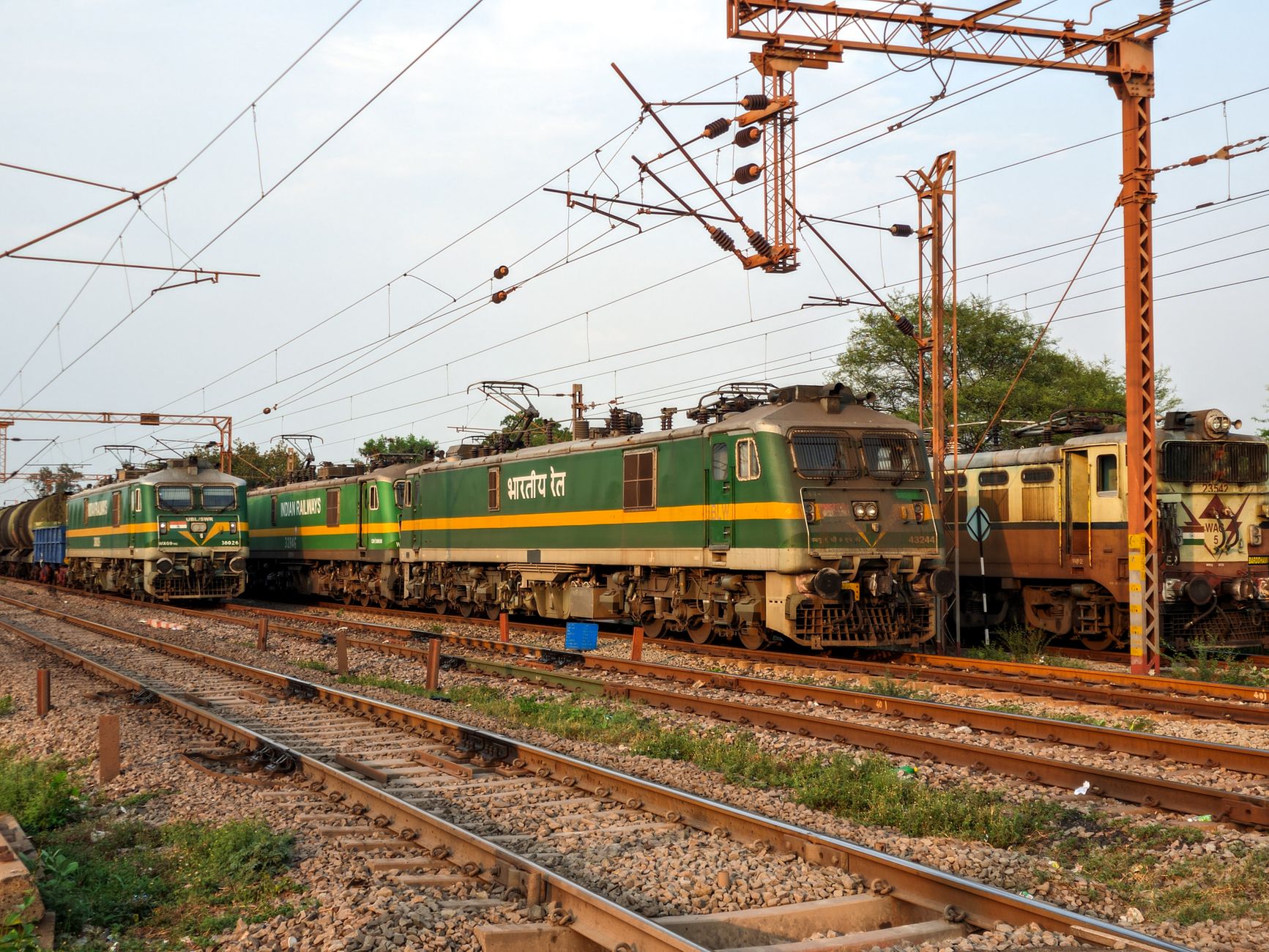
India has achieved a remarkable milestone in sustainable transportation with the launch of its first hydrogen-powered train, joining a select group of countries pioneering green rail technology. This development represents a significant leap forward in the nation's commitment to reducing carbon emissions and modernizing its vast railway network.
Understanding Hydrogen Train Technology
Hydrogen trains operate using fuel cells that combine hydrogen with oxygen to produce electricity, with water vapor as the only byproduct. Unlike traditional diesel locomotives that emit harmful pollutants, these trains offer completely emission-free operation. The fuel cell technology converts chemical energy directly into electrical energy, powering the train's motors efficiently and quietly.
The system stores hydrogen in high-pressure tanks mounted on the train, which can be refueled relatively quickly compared to the lengthy charging times required for battery-electric alternatives. This makes hydrogen particularly suitable for long-distance routes where frequent recharging would be impractical.
Why This Matters for India
Indian Railways operates one of the world's largest rail networks, carrying millions of passengers and massive freight volumes daily. The current fleet relies heavily on diesel locomotives, contributing significantly to air pollution and greenhouse gas emissions. Transitioning to hydrogen power could dramatically reduce the environmental impact of this critical transportation system.
The move aligns with India's ambitious climate goals, including achieving net-zero emissions by 2070 and reducing carbon intensity. Railways account for a substantial portion of the country's transport emissions, making them a logical target for green technology adoption.
Global Context and Competition
India joins an exclusive club that includes Germany, France, China, and Japan in operating hydrogen-powered trains. Germany launched the world's first hydrogen passenger train service in 2018, while other nations have been conducting trials and expanding their hydrogen rail infrastructure.
This achievement demonstrates India's growing technological capabilities and its determination to compete globally in clean energy innovation. It also positions Indian engineers and manufacturers to potentially export this technology to other developing nations facing similar environmental challenges.
Benefits Beyond Emissions
The advantages of hydrogen trains extend well beyond zero emissions. These trains operate more quietly than diesel locomotives, reducing noise pollution in urban and rural areas alike. They offer smooth acceleration and efficient performance comparable to electric trains but without requiring extensive overhead wire infrastructure.
For routes where full electrification is economically challenging or geographically difficult, hydrogen trains provide an attractive alternative. Many remote and hilly regions in India lack electrified rail lines, and installing overhead equipment would be prohibitively expensive. Hydrogen technology can bring clean rail transport to these areas without massive infrastructure investment.
Challenges and Considerations
Despite the promise, several challenges remain. Hydrogen production, storage, and distribution infrastructure require significant investment. Currently, most hydrogen is produced from fossil fuels, though green hydrogen from renewable energy sources is the ultimate goal for truly zero-emission transportation.
The initial costs of hydrogen trains and fuel cell technology remain higher than conventional alternatives, though expenses are expected to decrease as the technology matures and scales up. India will need to develop a comprehensive hydrogen supply chain, including production facilities, storage systems, and refueling stations along rail corridors.
Safety protocols for handling and storing high-pressure hydrogen must be rigorously established and maintained. While hydrogen technology has proven safe in various applications, proper training and infrastructure are essential for widespread railway adoption.
Future Prospects
This inaugural hydrogen train represents just the beginning of India's journey toward green rail technology. Plans for expanding hydrogen train operations to multiple routes are likely already in development, with potential focus on high-pollution corridors and non-electrified sections.
The initiative could spur domestic manufacturing of hydrogen fuel cells and related components, creating jobs and building expertise in this emerging sector. As India develops its green hydrogen economy, railways will likely serve as a major consumer and driver of this clean fuel source.
The success of this project could inspire similar green initiatives across other transport sectors, including buses, trucks, and eventually aviation. India's large-scale implementation could also help bring down global costs for hydrogen technology, making it more accessible worldwide.
With this milestone, India demonstrates that developing nations need not choose between economic growth and environmental responsibility. The hydrogen train symbolizes a future where technological innovation enables sustainable development at scale.