India is set to host the 16th BRICS Health Ministers' Meeting in Chandigarh, bringing together health leadership from Brazil, Russia, India, China, South Africa, and newer member nations. This significant gathering underscores India's commitment to multilateral health cooperation and positions the country as a key player in shaping healthcare policies among major emerging economies.
Understanding BRICS and Its Health Cooperation Framework
BRICS represents a coalition of major emerging economies that collectively account for over 40 percent of the world's population and nearly a quarter of global GDP. The health ministers' meeting is an institutional mechanism established to foster collaboration on pressing health challenges that disproportionately affect developing nations.
The BRICS health cooperation framework has evolved significantly since its inception, moving beyond dialogue to concrete action on issues ranging from infectious disease control to pharmaceutical manufacturing and traditional medicine systems. These nations share common health challenges including the dual burden of communicable and non-communicable diseases, healthcare access disparities, and the need for affordable medical technologies.
Key Agenda Items Expected at the Chandigarh Meeting
The 16th meeting is likely to focus on several critical areas that have emerged as priorities for BRICS nations in recent years.
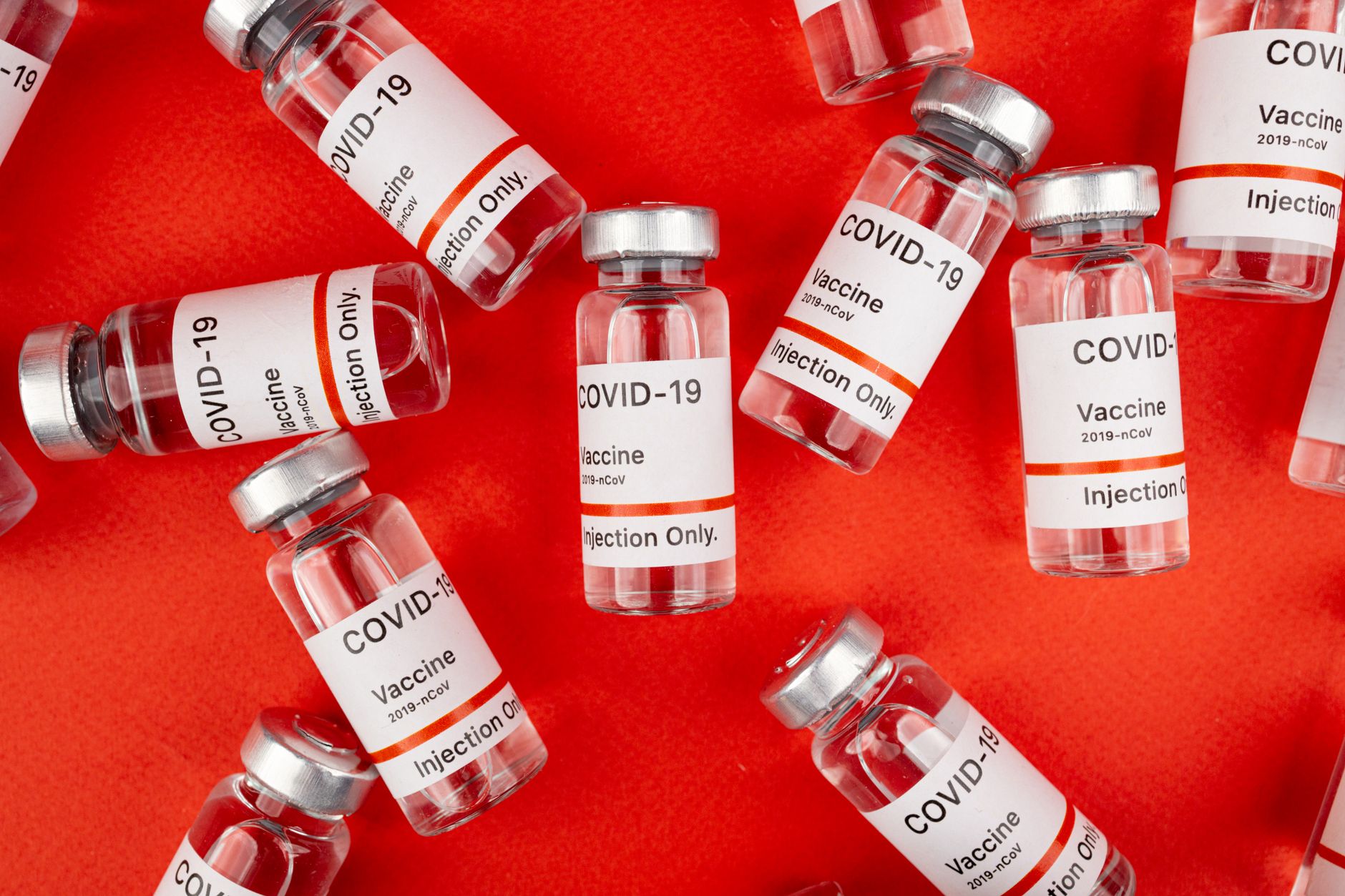
Pandemic preparedness and response mechanisms will feature prominently, especially given the lessons learned from COVID-19. BRICS countries are expected to discuss frameworks for early warning systems, vaccine development collaboration, and equitable access to medical countermeasures during health emergencies.
Antimicrobial resistance represents another shared concern, as these nations grapple with rising rates of drug-resistant infections. Collaborative strategies for surveillance, rational antibiotic use, and research into new antimicrobials may be explored.
Universal health coverage and strengthening primary healthcare systems will likely be discussed, as all BRICS nations work toward ensuring their populations have access to essential health services without financial hardship.
India's Strategic Interests and Contributions
Hosting this meeting in Chandigarh allows India to showcase its healthcare achievements and position itself as a leader in global health diplomacy. India has several strategic interests in deepening BRICS health cooperation.
As the "pharmacy of the world," India supplies a significant portion of generic medicines globally and has demonstrated capacity in vaccine manufacturing. Strengthening pharmaceutical collaboration within BRICS could enhance drug security and affordability across member nations.
India's expertise in traditional medicine systems, particularly Ayurveda, Yoga, and other indigenous practices, offers unique contributions to the BRICS health dialogue. The country has been advocating for greater integration of traditional and complementary medicine into mainstream healthcare systems.
Digital health represents another area where India can lead, given its rapid adoption of telemedicine, electronic health records, and health technology innovations. Sharing these experiences could accelerate digital transformation across BRICS healthcare systems.
Practical Implications for Citizens
While ministerial meetings may seem distant from everyday life, the outcomes have tangible implications for citizens across BRICS nations.
Enhanced cooperation on pharmaceutical manufacturing could lead to more affordable medicines for chronic conditions like diabetes, hypertension, and cancer. Joint research initiatives might accelerate the development of vaccines and treatments for diseases that disproportionately affect these populations.
Improved pandemic preparedness frameworks could mean faster, more coordinated responses to future health emergencies, potentially reducing the social and economic disruption experienced during COVID-19.
Knowledge sharing on health system strengthening could help improve the quality and accessibility of healthcare services, particularly in underserved areas where BRICS nations continue to face challenges.
Challenges and Future Outlook
Despite the potential benefits, BRICS health cooperation faces several obstacles. Political tensions between member nations, divergent healthcare priorities, and varying levels of health system development can complicate consensus-building and implementation.
The expansion of BRICS membership adds both opportunities and complexities, bringing diverse health contexts and priorities into the framework. Ensuring that cooperation mechanisms remain effective and inclusive will require careful diplomacy and institutional adaptation.
Nevertheless, the Chandigarh meeting represents an important opportunity for India to advance its health diplomacy objectives while contributing to improved health outcomes across the Global South. As the world continues to face complex health challenges that transcend borders, platforms like BRICS health cooperation become increasingly valuable for collective action and mutual learning.
The outcomes of this meeting will likely influence bilateral and multilateral health initiatives among member nations for years to come, potentially shaping the trajectory of healthcare development across emerging economies.