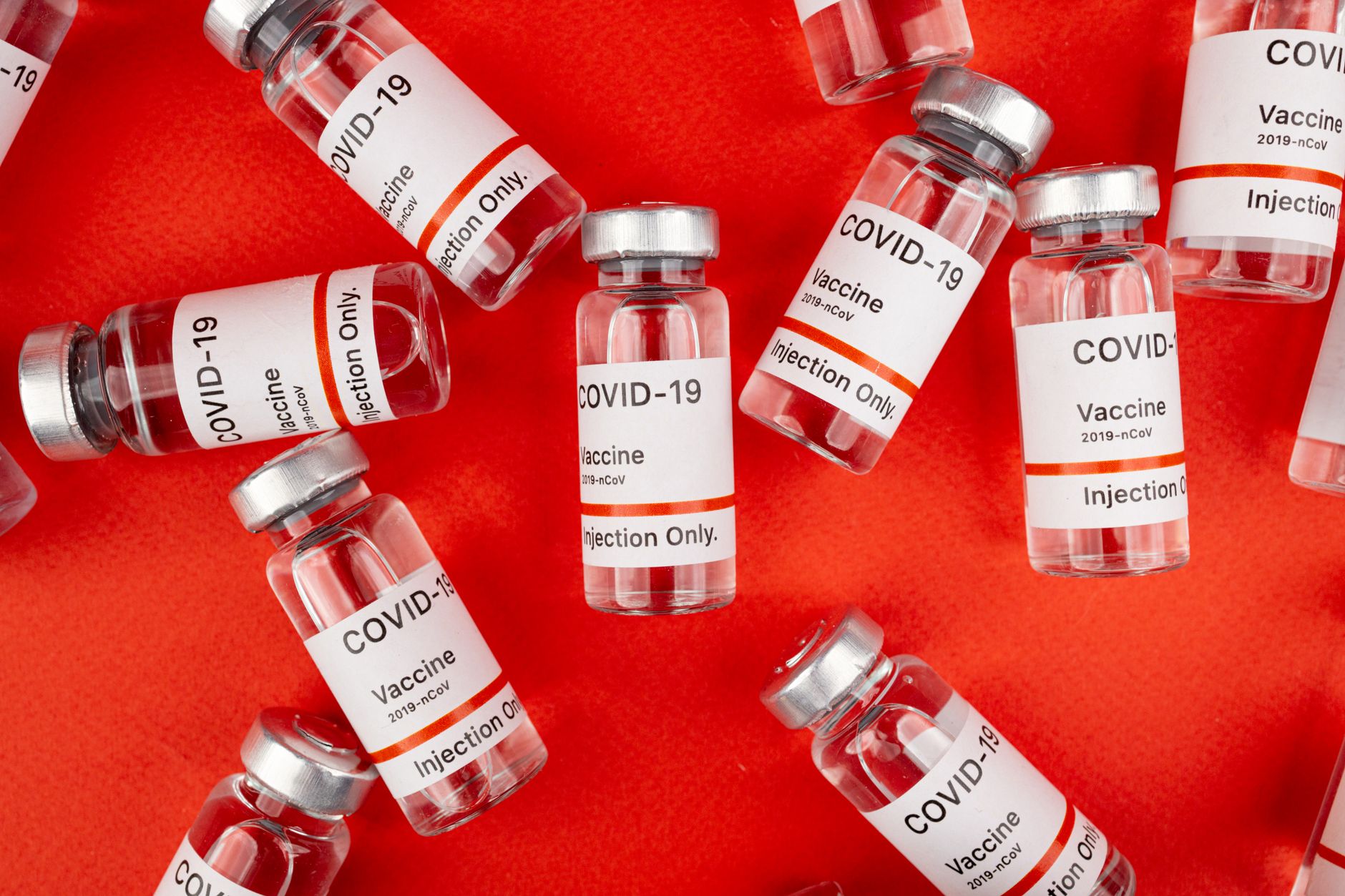
India has taken a major step forward in public health by approving QDENGA, the country's first dengue vaccine. This approval represents a crucial development in the fight against dengue fever, a disease that has long posed a significant health burden across the nation, particularly during monsoon seasons when mosquito populations surge.
Understanding Dengue Fever
Dengue is a viral infection transmitted primarily by Aedes aegypti mosquitoes. The disease affects millions of Indians each year, with symptoms ranging from mild fever to severe complications. Classic dengue symptoms include high fever, severe headache, pain behind the eyes, joint and muscle pain, rash, and mild bleeding manifestations. In severe cases, dengue can progress to dengue hemorrhagic fever or dengue shock syndrome, which can be life-threatening if not properly managed.
India reports hundreds of thousands of dengue cases annually, with numbers fluctuating based on seasonal patterns and climatic conditions. Urban and semi-urban areas with stagnant water sources are particularly vulnerable to outbreaks.
About the QDENGA Vaccine
QDENGA is a live-attenuated vaccine, meaning it contains weakened forms of the dengue virus that cannot cause disease but can stimulate immune responses. The vaccine is designed to protect against all four serotypes of dengue virus (DENV-1, DENV-2, DENV-3, and DENV-4), which is critical because infection with one serotype does not provide immunity against the others. In fact, subsequent infections with different serotypes can increase the risk of severe dengue.
The vaccine has already received regulatory approval in several other countries and from international health authorities. Its approval in India opens new possibilities for dengue prevention, particularly in high-burden states and regions where the disease is endemic.
Who Can Receive the Vaccine
The approved age range for QDENGA in India is 4 to 60 years. This broad coverage is significant because:
- Children and adolescents represent a substantial portion of dengue cases
- Working-age adults in this range are often at higher risk due to occupational exposure
- The vaccine can be administered regardless of previous dengue infection history
The vaccination schedule typically involves two doses administered several months apart, though specific protocols should be confirmed with healthcare providers.
Implications for Public Health
The introduction of a dengue vaccine in India could substantially impact disease prevention strategies. While mosquito control measures remain essential, vaccination adds another layer of protection, especially for people living in high-risk areas.
Public health experts anticipate that the vaccine will be particularly valuable for:
- Residents of dengue-endemic regions
- Individuals with occupations requiring outdoor work
- People living in areas with inadequate vector control
- Families who have experienced dengue infections previously
However, the vaccine is not a replacement for existing preventive measures. Eliminating mosquito breeding sites, using mosquito repellents, wearing protective clothing, and maintaining clean surroundings remain critical components of dengue prevention.
What Happens Next
Following regulatory approval, the vaccine will need to be integrated into healthcare delivery systems. Questions about pricing, accessibility, and inclusion in government immunization programs will be important factors determining how widely the vaccine reaches the population.
Healthcare facilities, both public and private, will gradually begin offering the vaccine. Individuals interested in vaccination should consult their doctors to determine if they are suitable candidates and to understand the vaccination schedule and any precautions.
Looking Forward
The approval of India's first dengue vaccine represents hope for millions who live with the annual threat of dengue outbreaks. While challenges remain in terms of distribution and accessibility, this milestone demonstrates progress in addressing one of the country's most persistent vector-borne diseases.
As with any medical intervention, widespread vaccination success will depend on public awareness, healthcare infrastructure readiness, and continued emphasis on comprehensive mosquito control measures alongside immunization efforts.
This article provides general information about the dengue vaccine approval and should not be considered medical advice. Individuals should consult qualified healthcare professionals for personalized guidance about dengue vaccination, including suitability, timing, and any potential contraindications based on their medical history.