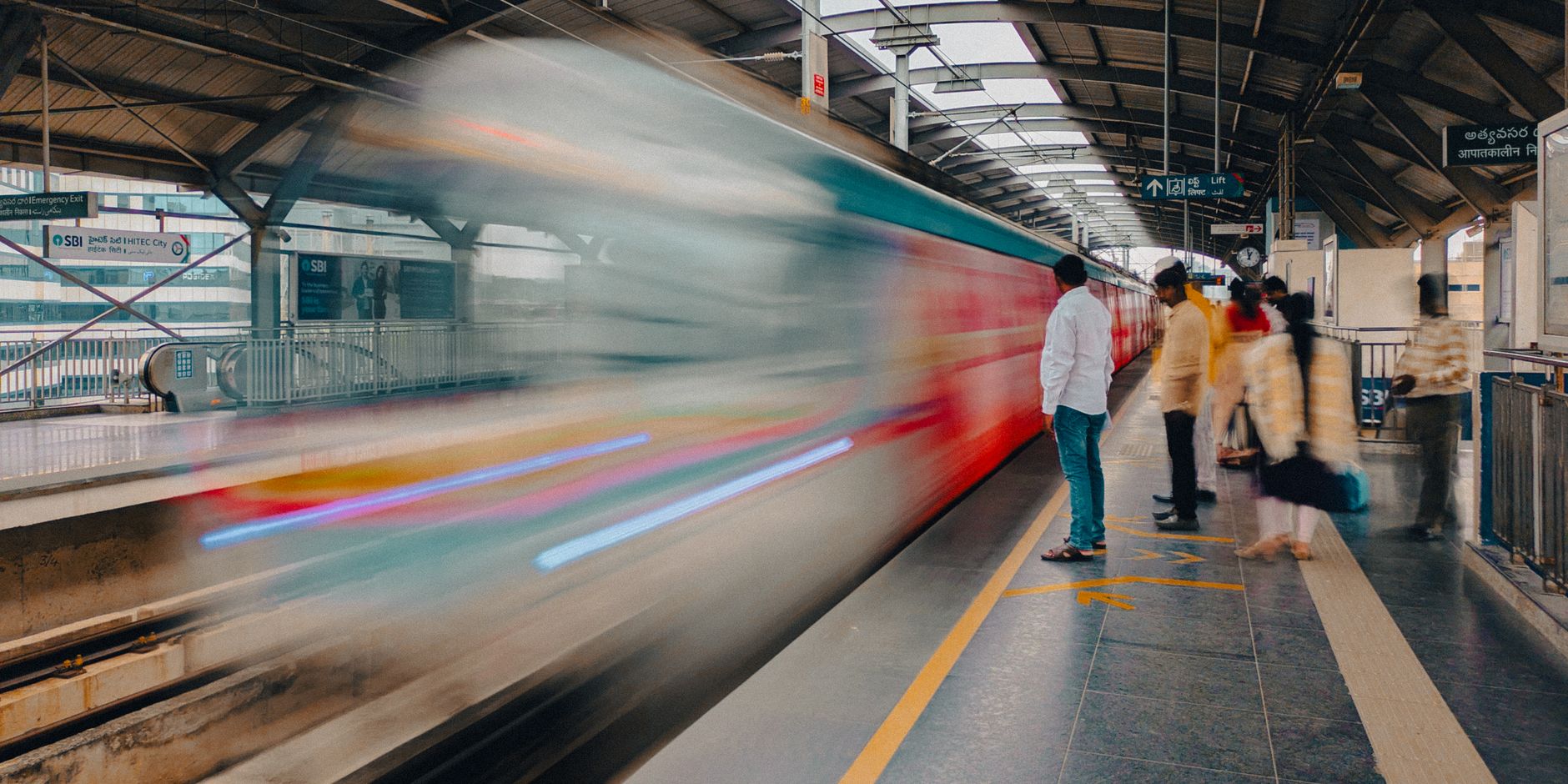
Indian Railways has embarked on an ambitious journey to transform its massive transportation network with indigenous hydrogen fuel cell technology, marking a significant milestone in the country's push toward sustainable mobility and self-reliance in clean energy solutions.
The adoption of hydrogen-powered trains represents a paradigm shift from conventional diesel locomotives that have dominated India's rail network for decades. This move aligns with India's commitment to achieving net-zero emissions by 2070 and reducing the carbon footprint of one of the world's largest railway systems, which serves over 8 billion passengers annually.
How Hydrogen Fuel Cell Technology Works
Hydrogen fuel cells generate electricity through a chemical reaction between hydrogen and oxygen, producing only water vapor and heat as byproducts. Unlike battery-powered systems, fuel cells can provide continuous power as long as hydrogen fuel is supplied, making them ideal for long-distance railway operations.
The technology converts chemical energy directly into electrical energy, powering electric motors that drive the train. This process is significantly cleaner than diesel combustion, eliminating particulate matter, nitrogen oxides, and carbon dioxide emissions at the point of use.
Indigenous Development and Self-Reliance
The emphasis on domestically developed technology reflects India's broader Atmanirbhar Bharat (self-reliant India) initiative. By developing hydrogen fuel cell systems in-house, India reduces dependence on imported technology and creates opportunities for local manufacturing, research, and skill development.
Indian research institutions and public sector undertakings have been working on hydrogen fuel cell technology for several years, adapting global innovations to suit Indian operating conditions, including extreme temperatures, high humidity, and the unique demands of the country's diverse terrain.
Environmental and Economic Benefits
The transition to hydrogen-powered trains offers multiple advantages:
- Elimination of diesel emissions, improving air quality in railway corridors and urban areas
- Reduction in noise pollution compared to diesel engines
- Lower operational costs in the long term, despite higher initial capital investment
- Energy security through reduced dependence on imported fossil fuels
- Potential for green hydrogen production using renewable energy sources
The Indian Railways currently consumes millions of liters of diesel annually, contributing significantly to the nation's carbon emissions and fuel import bills. Hydrogen fuel cells could dramatically reduce these figures while positioning India as a leader in sustainable transportation technology.
Implementation Challenges and Opportunities
While the technology holds immense promise, several challenges need addressing for successful large-scale implementation. Establishing a robust hydrogen production, storage, and distribution infrastructure requires substantial investment and coordination across multiple sectors.
Currently, most hydrogen in India is produced through fossil fuel-based methods, which undermines the environmental benefits. The focus must shift toward green hydrogen production using electrolysis powered by renewable energy sources like solar and wind power.
Safety protocols for handling and storing hydrogen fuel also require careful attention, as hydrogen is highly flammable and requires specialized infrastructure. Training personnel and developing maintenance capabilities for this new technology will be essential.
Pilot Projects and Future Expansion
Indian Railways has been testing hydrogen fuel cell technology on select routes to evaluate performance under real-world conditions. These pilot projects provide valuable data on efficiency, reliability, and operational challenges before wider deployment.
The initial focus is likely on shorter routes and specific applications, gradually expanding to longer distances and more demanding operations as the technology matures and infrastructure develops. Non-electrified routes, which currently depend entirely on diesel locomotives, present the most immediate opportunities for hydrogen adoption.
Global Context and Competitive Positioning
India joins several countries exploring hydrogen-powered rail transport, including Germany, France, and China, which have already deployed or tested hydrogen trains. However, India's approach emphasizes indigenous technology development, potentially creating export opportunities for Indian manufacturers as global demand for clean transportation solutions grows.
The experience gained from deploying hydrogen fuel cells in the railway sector could also benefit other transportation segments, including buses, trucks, and maritime vessels, creating a comprehensive ecosystem for hydrogen mobility in India.
Looking Ahead
The adoption of hydrogen fuel cell technology represents more than just a technological upgrade for Indian Railways. It symbolizes India's commitment to sustainable development, technological self-reliance, and leadership in the global clean energy transition.
Success will depend on coordinated efforts across government agencies, research institutions, and private sector partners to develop infrastructure, scale up green hydrogen production, and ensure economic viability. As the program expands, it could transform India's transportation landscape while creating new industries and employment opportunities in the clean energy sector.