Hyderabad has emerged as one of India's hottest real estate markets over the past few years, with property prices climbing steadily and new developments mushrooming across the city. The technology capital of India has attracted significant investment from both domestic and international buyers, but the critical question now is whether this growth trajectory can continue or if the market is headed for a correction.
The Drivers Behind Hyderabad's Property Boom
Several factors have contributed to making Hyderabad a real estate magnet. The city's thriving information technology sector remains the primary catalyst, with major global companies like Microsoft, Google, Amazon, and Facebook establishing or expanding their operations. This has created substantial employment opportunities, bringing thousands of well-paid professionals to the city annually.
The state government's proactive policies have played a crucial role in attracting investment. Telangana's business-friendly environment, coupled with streamlined approval processes and infrastructure development initiatives, has made the city attractive for both commercial and residential real estate investments.
Infrastructure improvements have been transformative. The expansion of the Outer Ring Road, development of metro rail connectivity, and improvement of road networks have opened up previously inaccessible areas for development. Neighborhoods that were once considered peripheral are now integrated into the city's urban fabric.
Price Trends and Market Dynamics
Property prices in Hyderabad have appreciated significantly, though they remain relatively affordable compared to Mumbai, Bangalore, or Delhi-NCR. Areas like Gachibowli, HITEC City, Kondapur, and Kokapet have seen substantial price increases, with average prices in prime locations now ranging between Rs 6,000 to Rs 12,000 per square foot.
The residential segment has witnessed strong demand across categories. Affordable housing projects have attracted first-time homebuyers, while premium and luxury segments have found takers among high-earning professionals and NRIs. The rental market has remained robust, providing investors with steady yields typically ranging from 2.5 to 3.5 percent annually.
Factors Supporting Continued Growth
Multiple elements suggest that Hyderabad's real estate market has fundamental strength beyond speculation. The city continues to attract new IT investments, with recent announcements from various technology companies indicating expansion plans. The emerging pharmaceutical and biotechnology sectors add diversification to the economic base.
Demographic advantages work in Hyderabad's favor. The city attracts young professionals who form the primary homebuying demographic. Additionally, improved quality of life, relatively lower living costs compared to other metros, and cultural amenability make it attractive for long-term settlement.
The Real Estate Regulatory Authority (RERA) implementation has brought transparency and accountability to the market, boosting buyer confidence. Developers are now more committed to timely delivery and quality construction, reducing the historical risks associated with under-construction properties.
Potential Headwinds and Concerns
Despite positive indicators, several factors could moderate growth. Rising interest rates impact affordability and borrowing capacity. If the Reserve Bank of India continues tightening monetary policy to control inflation, home loan rates could climb further, dampening demand.
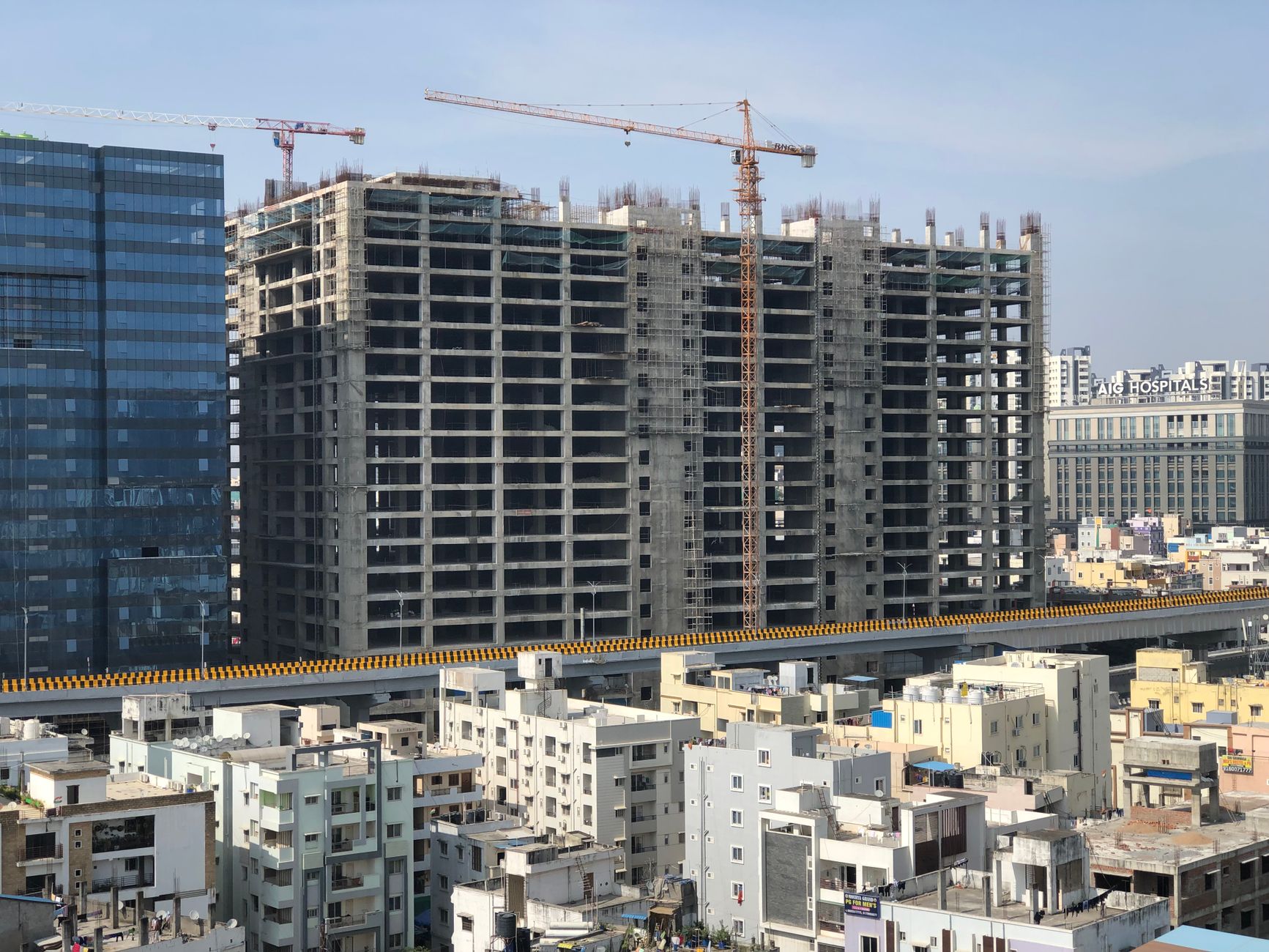
Supply-side concerns exist in certain micro-markets where excessive construction has led to inventory buildup. Some peripheral areas have seen aggressive launches that may not find immediate buyers, potentially leading to price stagnation or correction in those specific locations.
Economic uncertainties, including global recession fears and potential slowdown in IT hiring, could affect purchasing power. Any significant downturn in the technology sector would directly impact Hyderabad's real estate market given its heavy dependence on IT employment.
The Sustainability Question
The sustainability of Hyderabad's real estate boom ultimately depends on continued economic growth and employment generation. Unlike purely speculative bubbles, Hyderabad's market has strong fundamentals rooted in genuine demand from end-users and actual economic activity.
However, expectations of double-digit annual appreciation may need recalibration. A more moderate, sustainable growth rate of 5-7 percent annually appears realistic, with variations across different micro-markets based on infrastructure development and connectivity improvements.
Investors and homebuyers should focus on location fundamentals, connectivity, existing infrastructure, and genuine demand drivers rather than expecting uniform appreciation across all areas. Projects with good credentials, proper approvals, and credible developers remain safer bets.
The Hyderabad real estate story appears to have staying power, though the pace of growth may moderate from recent highs. The city's economic diversity, ongoing infrastructure development, and demographic advantages provide a solid foundation for continued, albeit measured, growth in property values.
This article is for general informational purposes only and should not be considered as investment advice. Real estate investment decisions should be made after thorough research and consultation with qualified financial advisors and legal experts.