Car maintenance doesn't always require a trip to the workshop. One crucial yet often overlooked task is cleaning the radiator and front cross member – components that keep your engine running at optimal temperatures. Over time, these parts accumulate dust, debris, leaves, and insects, reducing cooling efficiency and potentially leading to overheating issues.
Why This Maintenance Matters
The radiator is your engine's primary cooling system, dissipating heat through a network of thin metal fins. The front cross member, a structural component behind the grille, often houses the radiator and acts as the first line of defence against road debris. When dirt clogs the radiator fins or accumulates on the cross member, airflow is restricted, forcing your cooling system to work harder.
In Indian driving conditions – with dusty roads, monsoon sludge, and heavy traffic – this buildup happens faster than in many other countries. Regular cleaning can prevent costly repairs, improve fuel efficiency, and maintain your vehicle's performance during hot summer months.
Tools and Materials You'll Need
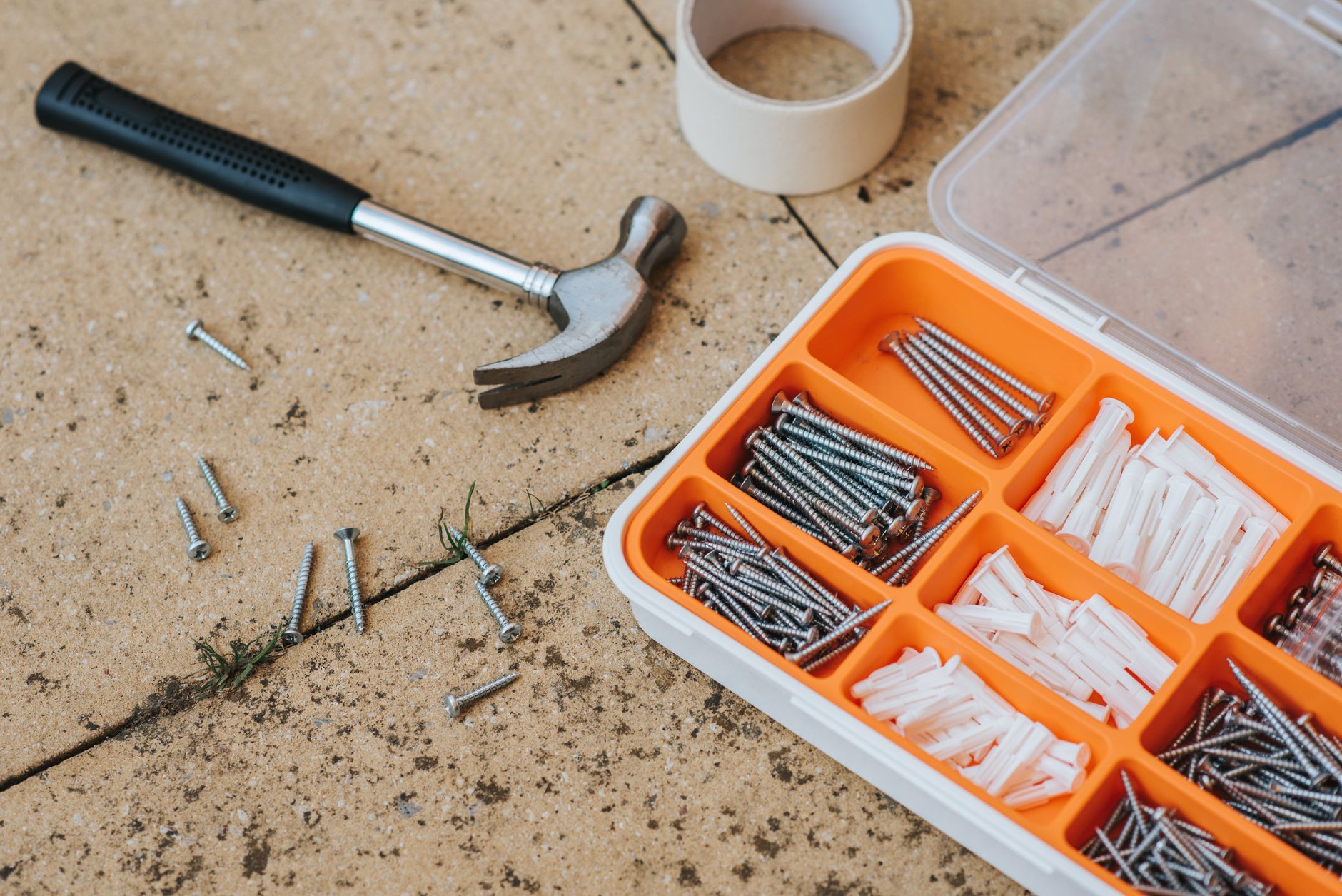
Before starting, gather the following items:
- A garden hose with adjustable nozzle or pressure washer (low setting)
- Soft-bristle brush or old toothbrush
- Car wash shampoo or mild detergent
- Bucket of clean water
- Microfibre cloths
- Screwdrivers (for removing grille or panels)
- Gloves and safety glasses
- Radiator cleaning solution (optional)
Step-by-Step Cleaning Process
### Preparation and Access
Start with a completely cool engine – never attempt this on a warm or hot engine as you risk burns or damage. Park your vehicle on level ground and engage the parking brake. Consult your owner's manual to understand how to access the radiator area. Most vehicles require removing the front grille or plastic undertray, which typically involves unscrewing a few clips or bolts.
For the Hyundai i20 specifically, the front grille usually unclips after removing visible screws, providing direct access to the radiator and cross member area.
### Initial Debris Removal
Once you have access, manually remove large debris like leaves, plastic bags, or twigs that may be stuck between the radiator and condenser. Be gentle – radiator fins are delicate and bend easily. Use a soft brush to loosen caked-on dirt and dust.
### Washing the Radiator
Using your garden hose, spray water from the engine side outward (opposite to normal airflow direction) at moderate pressure. This pushes dirt out through the front rather than deeper into the cooling system. Avoid high-pressure settings as they can damage the delicate fins or disconnect hose connections.
For stubborn grime, apply diluted car wash shampoo with a soft brush, working gently between the fins. Let it sit for a few minutes, then rinse thoroughly. Some enthusiasts use specialized radiator cleaning solutions, which can be effective for oil or grease buildup.
### Cleaning the Cross Member and Surrounding Area
Wipe down the front cross member, removing accumulated dirt and checking for any signs of corrosion or damage. Clean the condenser (if your car has air conditioning) using the same gentle approach. Inspect all visible hoses and connections for cracks or leaks while you have access.
### Drying and Reassembly
Allow everything to air dry, or use compressed air to speed up the process and remove water from tight spaces. Once dry, carefully reinstall any removed components, ensuring all clips and screws are properly secured. Double-check that nothing is loose or disconnected.
Maintenance Frequency
In typical Indian conditions, inspect and clean these components every six months or before summer. If you frequently drive on unpaved roads or in extremely dusty environments, quarterly cleaning is advisable.
Benefits You'll Notice
After cleaning, many car owners report better air conditioning performance, as the AC condenser (located near the radiator) can breathe easier. Your engine may run slightly cooler, particularly noticeable during traffic jams or long drives. The process also gives you an opportunity to spot potential issues before they become expensive problems.
This simple DIY task requires minimal investment but delivers significant returns in vehicle longevity and performance. With basic tools and an hour of your time, you can maintain a critical system that keeps your engine happy for years to come.