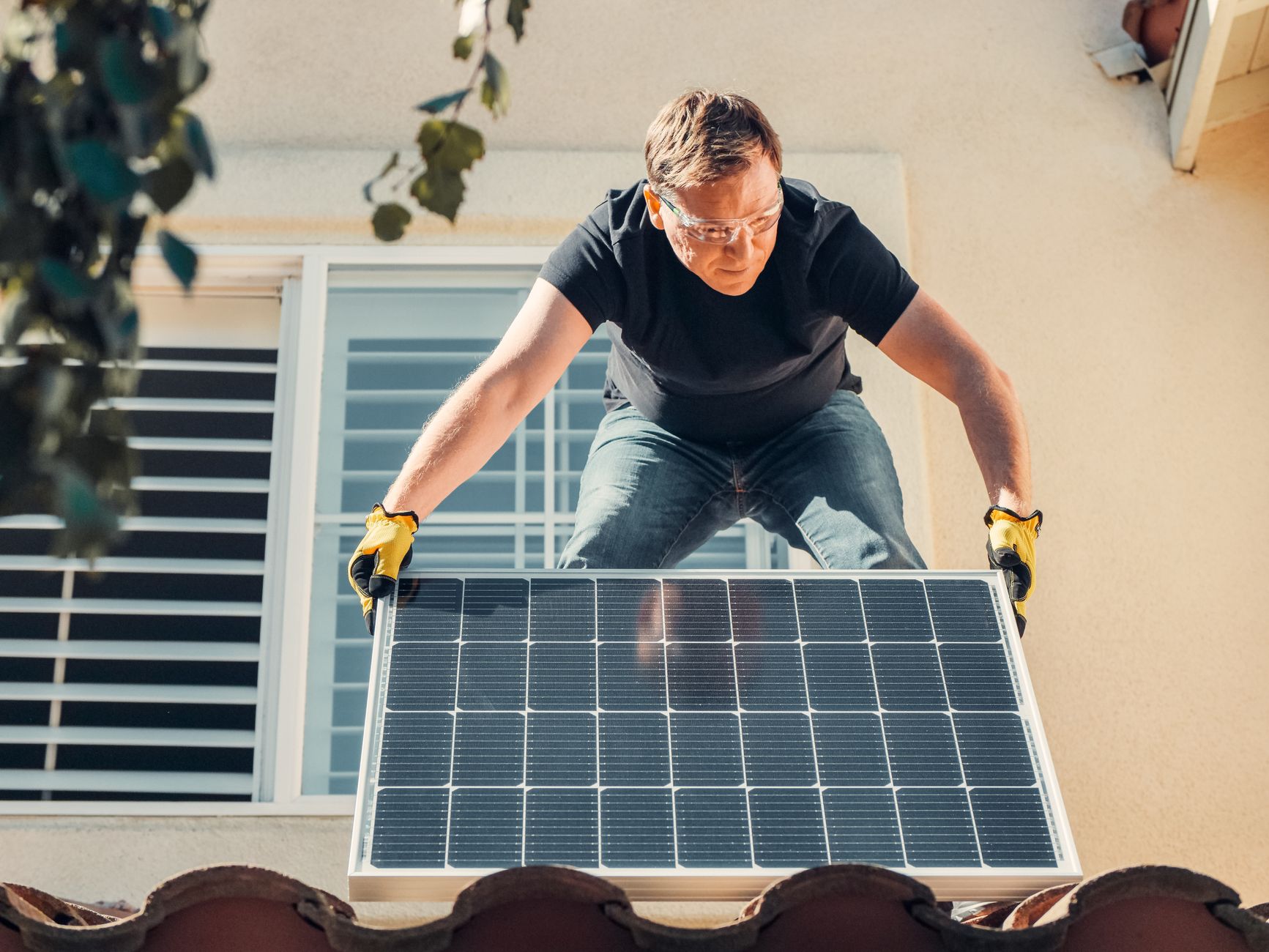
Solar power adoption in Indian homes has accelerated dramatically over the past few years, driven by rising electricity costs, government incentives, and growing environmental awareness. As the industry matures, choosing the right solar installation company has become both easier and more complex—easier because there are more options, but more complex because not all providers deliver the same value.
Understanding the Solar Installation Landscape
The Indian solar market now features dozens of national players alongside hundreds of regional installers. Companies range from full-service providers handling everything from consultation to maintenance, to basic installers who simply mount panels you've purchased separately. Understanding what type of service you need is the first step in making an informed choice.
Large national companies typically offer standardized packages with established warranties and financing options. Regional installers often provide more personalized service and may have better knowledge of local regulations, electricity board procedures, and area-specific challenges like monsoon preparation or dust management.
Key Factors When Evaluating Solar Companies
- Panel quality and brand options offered
- Installation experience and number of completed projects
- Warranty coverage for both panels and workmanship
- After-sales service and maintenance support
- Financing options and transparency in pricing
- Customer reviews and verifiable references
- Certifications and technical qualifications of installers
Panel Quality and Technology
Not all solar panels are created equal. The efficiency of panels—how much sunlight they convert to electricity—can vary significantly. Top-tier panels from manufacturers like Tata Power Solar, Vikram Solar, or international brands might cost 15-20% more but often deliver better long-term returns through higher efficiency and durability.
Ask potential installers about the panel specifications they recommend. Monocrystalline panels generally offer better efficiency in smaller spaces, while polycrystalline panels can be more budget-friendly for larger installations. The best companies will assess your roof space, electricity consumption patterns, and budget to recommend the optimal solution rather than pushing a one-size-fits-all package.
Warranty Coverage Matters
Solar installations represent a 25-year investment, so warranty terms are crucial. Look for companies offering comprehensive coverage including product warranties on panels (typically 25 years), inverter warranties (5-10 years), and installation workmanship warranties (at least 5 years).
Read warranty terms carefully. Some companies offer impressive-sounding warranties but make claims processes difficult or exclude common issues. Ask specifically what happens if the company goes out of business—whether warranties are backed by manufacturers directly.
Installation Quality and Safety Standards
A solar installation involves electrical work and roof modifications. Poorly executed installations can lead to roof leaks, fire hazards, or system underperformance. Verify that installers have proper training and certifications. Look for companies whose technicians are certified by organizations like the National Institute of Solar Energy or have recognized electrical qualifications.
Request to see photos of previous installations and, if possible, speak with past customers about their experience. Pay attention to cable management, mounting quality, and overall system aesthetics in example projects.
Pricing Transparency and Hidden Costs
Solar system pricing should be clearly broken down into components—panels, inverters, mounting structures, installation labor, and other materials. Be wary of companies that provide only a single bottom-line figure without itemization.
Ask about potential additional costs such as meter changes, electricity board fees, structural reinforcement if your roof needs it, or future maintenance. The cheapest quote may not represent the best value if it excludes essential components or uses inferior materials.
After-Sales Service and Monitoring
A solar installation requires periodic cleaning, monitoring, and occasional repairs. Companies offering robust after-sales support with monitoring apps, scheduled maintenance visits, and responsive service teams provide significantly better long-term value than install-and-disappear operators.
Modern solar systems should include monitoring capabilities that let you track generation and identify issues. Ask whether monitoring hardware and software are included and what level of ongoing support the company provides.
Government Subsidies and Net Metering
Reputable solar companies should guide you through available subsidies and the net metering application process with your electricity distribution company. This administrative support can be valuable, as navigating electricity board procedures can be time-consuming and complex.
Verify that the company's proposed system design meets the technical requirements for subsidy eligibility and net metering in your area, as specifications vary by state.
Making Your Final Decision
After shortlisting companies, request detailed proposals from at least three providers. Compare not just on price but on the total package—equipment quality, service terms, and company stability. A company that has been operating successfully for several years is more likely to honor long-term warranties than a very new entrant.
This article provides general information for educational purposes. Before making any significant investment in solar power, consult with qualified professionals and thoroughly research companies specific to your location and requirements.