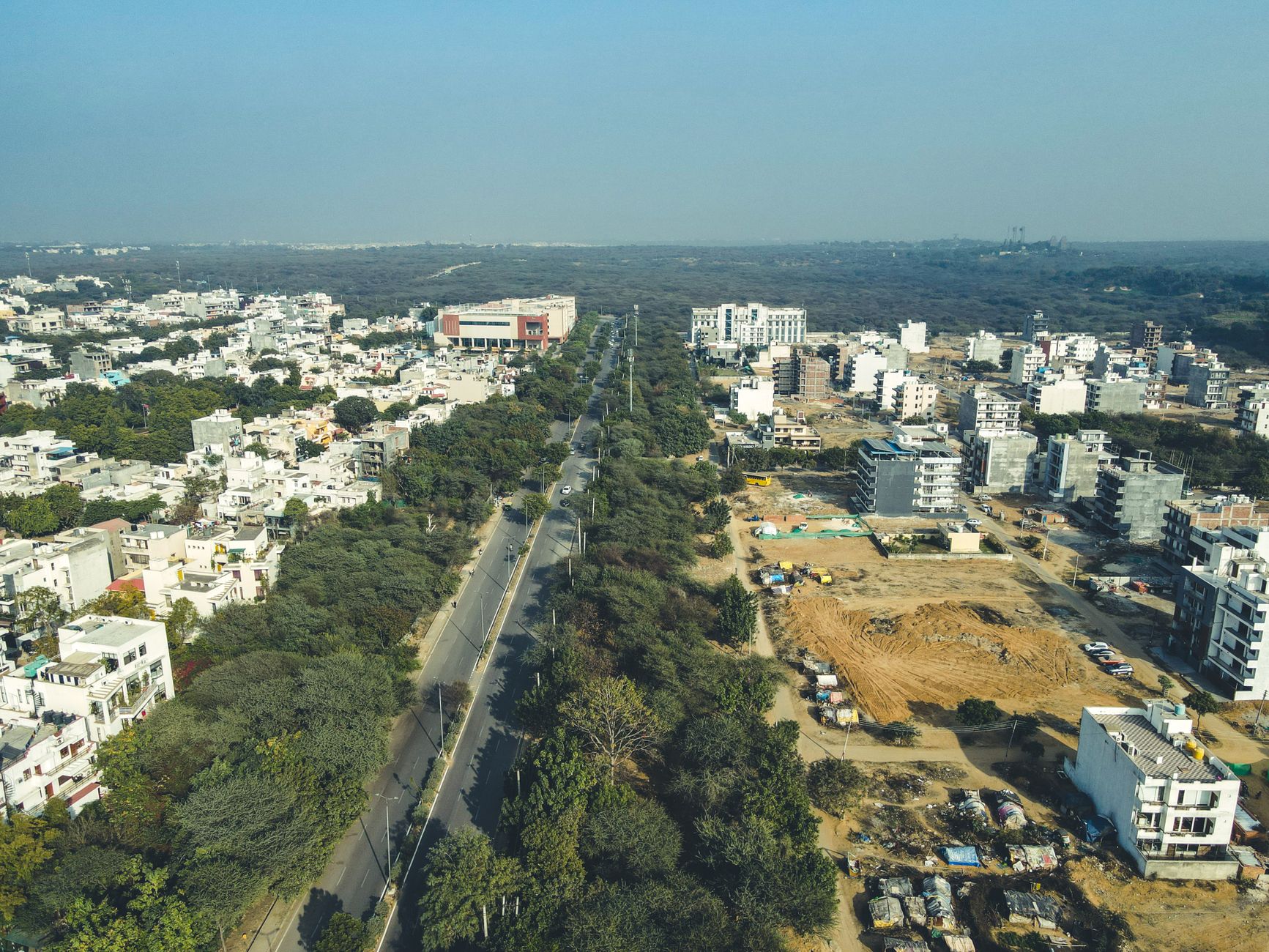
The Indian real estate sector, which had been riding a wave of strong demand for the past few years, is now showing signs of a slowdown. Listed property developers across the country have witnessed a 21% drop in housing bookings, marking a notable shift in market dynamics that has caught the attention of industry watchers and potential homebuyers alike.
Understanding the Decline
The residential property market in India had been experiencing exceptional growth since the pandemic, driven by factors such as low interest rates, work-from-home requirements creating demand for larger spaces, and pent-up demand from buyers who had postponed purchases. However, the recent decline in bookings suggests that this momentum may be waning.
Several factors contribute to this slowdown. Rising property prices in major metropolitan areas have pushed homes beyond the reach of many middle-class buyers. Additionally, the cumulative impact of multiple interest rate hikes by the Reserve Bank of India over the past year has made home loans more expensive, increasing the overall cost of ownership for prospective buyers.
Regional Variations in Performance
The impact of this slowdown has not been uniform across all markets. Tier-1 cities such as Mumbai, Delhi-NCR, and Bangalore, which saw astronomical price increases in recent years, are experiencing more pronounced cooling effects. Many buyers in these markets have adopted a wait-and-watch approach, hoping for either price corrections or more favorable financing conditions.
In contrast, tier-2 and tier-3 cities continue to show relatively better resilience, with some markets even maintaining stable booking numbers. These cities benefit from more affordable price points and growing infrastructure development that continues to attract first-time homebuyers and investors.
Developer Strategies and Market Response
- Premium and luxury segment developers are offering flexible payment plans and limited-period discounts to attract buyers
- Some companies are focusing on faster project completions to build buyer confidence
- Developers are shifting inventory mix toward mid-segment affordable housing where demand remains relatively stable
- Marketing efforts have intensified, with increased digital outreach and virtual property tours
Impact on the Broader Economy
The real estate sector is a significant contributor to India's GDP and employment. A sustained slowdown in housing sales could have ripple effects across related industries including cement, steel, construction materials, and home furnishings. Banks and housing finance companies may also see reduced loan disbursements, affecting their growth projections.
However, industry experts suggest that this correction may be healthy for the long-term sustainability of the market. The previous period of rapid growth had raised concerns about affordability and potential overheating in certain markets.
What This Means for Homebuyers
For potential homebuyers, the current slowdown presents both opportunities and considerations. On one hand, developers facing pressure to meet sales targets may offer better deals, payment plans, and negotiable terms. On the other hand, those expecting significant price corrections may need to temper their expectations, as land costs and construction expenses remain elevated.
Buyers should focus on ready-to-move-in or near-completion properties from reputed developers with strong track records. The slowdown has not changed the fundamental need for housing, and those with stable incomes and long-term holding capacity may find this an opportune time to enter the market.
Future Outlook
Market analysts expect the slowdown to be temporary rather than structural. India's urbanization continues, household incomes are growing, and the fundamental demand for housing remains strong. Much will depend on the trajectory of interest rates, overall economic growth, and employment conditions in the coming quarters.
The government's continued focus on infrastructure development, including metro rail projects, new airports, and road networks, should support long-term real estate demand. Additionally, initiatives like affordable housing schemes continue to provide a foundation for steady market activity.
This article is for general informational purposes only and should not be construed as real estate investment advice. Readers are encouraged to conduct their own research and consult with qualified real estate professionals and financial advisors before making property purchase decisions.