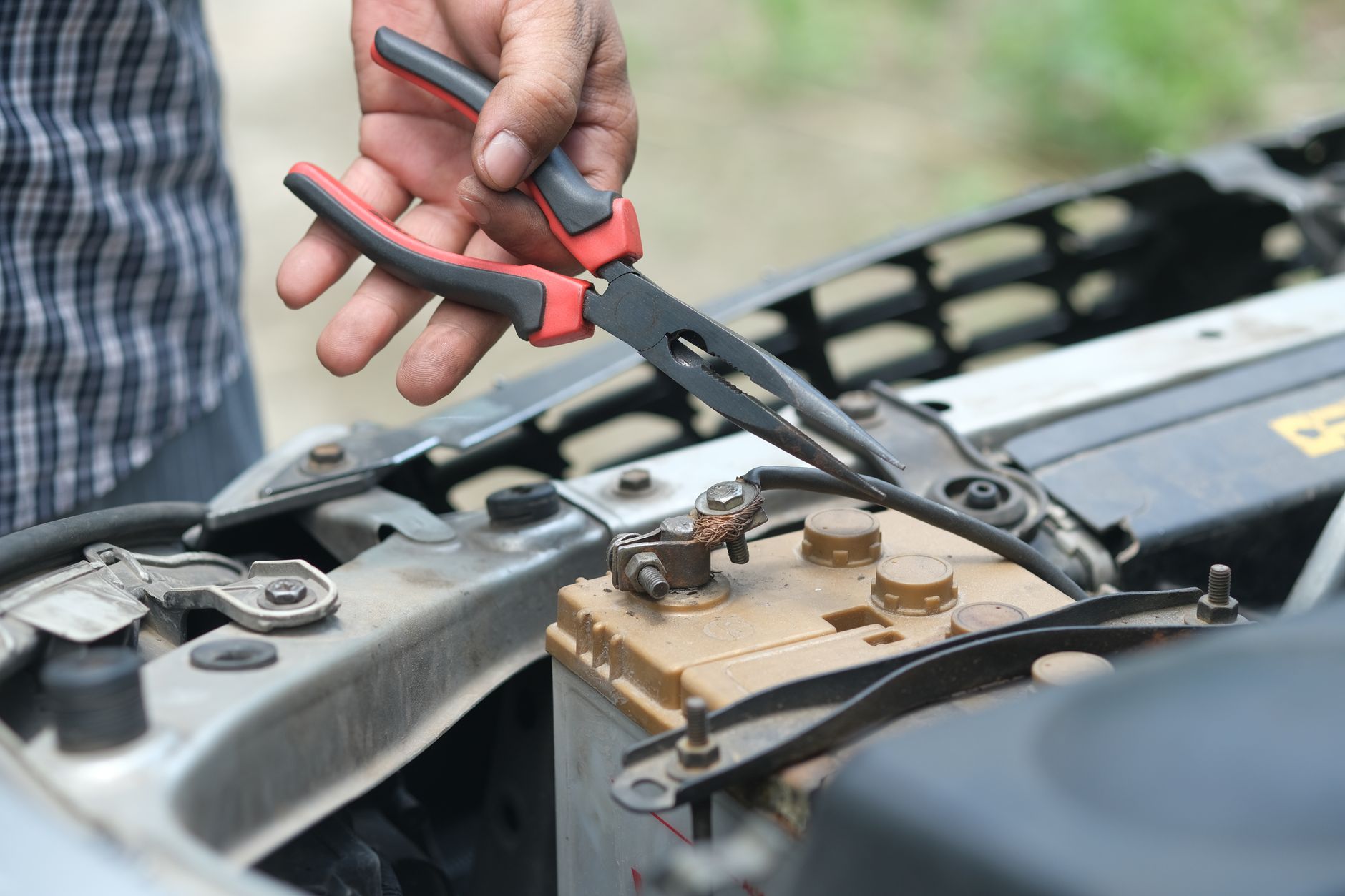
The electric vehicle revolution in India has brought environmental benefits and lower running costs, but a recent viral incident has exposed a concerning reality about EV ownership: astronomical repair costs that can sometimes rival the price of a new vehicle. An engineering student's successful DIY battery repair has sparked nationwide discussion about manufacturer servicing practices and consumer rights in the rapidly growing EV market.
The Shocking Service Center Quote
When the student's electric vehicle experienced battery issues, the authorized service center delivered devastating news. The quoted repair cost was substantial enough to make headlines, with the replacement price running into lakhs of rupees. For many EV owners, such quotes present an impossible choice: pay nearly the cost of a new vehicle or abandon their investment entirely.
This pricing structure has raised questions about the long-term affordability of electric vehicles. While the initial purchase and daily running costs may be attractive, unexpected repair expenses can quickly erase years of fuel savings. The situation becomes particularly troubling when vehicles are out of warranty, leaving owners vulnerable to monopolistic pricing from manufacturers.
Taking Matters into His Own Hands
Rather than accepting the hefty quote, the engineering student decided to investigate the problem himself. Using technical knowledge, online resources, and diagnostic tools, he identified that the issue wasn't with the entire battery pack but with specific components within it. This discovery is crucial because battery packs contain hundreds of individual cells, and often only a small percentage of them actually fail.
The student documented his repair process on video, showing how he safely disassembled the battery pack, identified faulty cells, and replaced them with compatible units purchased independently. The entire repair cost him a fraction of the service center quote, demonstrating a massive markup on manufacturer servicing.
Why Are EV Battery Repairs So Expensive
Several factors contribute to the astronomical costs quoted by authorized service centers. First, manufacturers often insist on replacing entire battery packs rather than individual modules or cells, citing safety concerns and warranty requirements. While battery safety is indeed critical, this approach can be unnecessarily expensive when only minor components have failed.
Second, the proprietary nature of battery management systems and diagnostic software creates a monopoly. Unlike traditional vehicles where independent mechanics can source parts and perform repairs, EV manufacturers tightly control access to technical information and replacement components. This lack of competition allows them to set prices without market pressure.
Third, the relatively young EV service ecosystem means fewer trained technicians and limited standardization across brands. Each manufacturer uses different battery chemistries, configurations, and management systems, making it difficult for independent repair shops to enter the market.
The Right to Repair Movement
This incident feeds into a growing global conversation about the right to repair. Consumers and advocacy groups argue that buyers should have access to repair manuals, diagnostic tools, and genuine parts at fair prices. They contend that manufacturers deliberately design products to be difficult to repair independently, forcing customers back to expensive authorized service centers.
Several countries have begun implementing right-to-repair legislation, requiring manufacturers to make repair information and parts available to consumers and independent repair shops. India has yet to adopt comprehensive right-to-repair laws, though the issue is gaining attention as more consumers face similar situations.
Important Considerations for DIY Repairs
While this story has an inspiring outcome, it's crucial to understand the risks involved in DIY battery repairs. Electric vehicle batteries operate at high voltages that can be lethal if mishandled. They also contain flammable materials that require careful handling to prevent fires or explosions.
Additionally, unauthorized repairs may void existing warranties and could potentially compromise vehicle safety systems. Battery management systems are sophisticated computer programs that monitor cell health, temperature, and charging patterns to prevent dangerous situations.
What This Means for EV Adoption
India's ambitious electric vehicle targets depend on consumer confidence in the technology. Incidents like this, while showcasing individual ingenuity, also highlight systemic issues that could slow adoption. Potential buyers may hesitate if they fear being trapped with unaffordable repair costs down the line.
The industry must address these concerns through transparent pricing, modular battery designs that allow component-level repairs, and more competitive servicing options. As the EV market matures, increased competition and regulatory oversight should naturally drive down repair costs, but consumer awareness and advocacy remain essential catalysts for change.
This article is for general information purposes only and should not be considered professional repair advice. Working with high-voltage battery systems can be dangerous and may void warranties. Always consult qualified professionals and follow manufacturer guidelines when dealing with electric vehicle repairs.