Indian healthcare diagnostics are entering a new era with the introduction of advanced blood-based cancer screening technology. Dr Dangs Lab, one of India's established diagnostic chains, has partnered with Guardant Health to bring cutting-edge multi-cancer early detection testing to Indian patients, marking a significant milestone in preventive oncology care.
Understanding Multi-Cancer Detection Tests
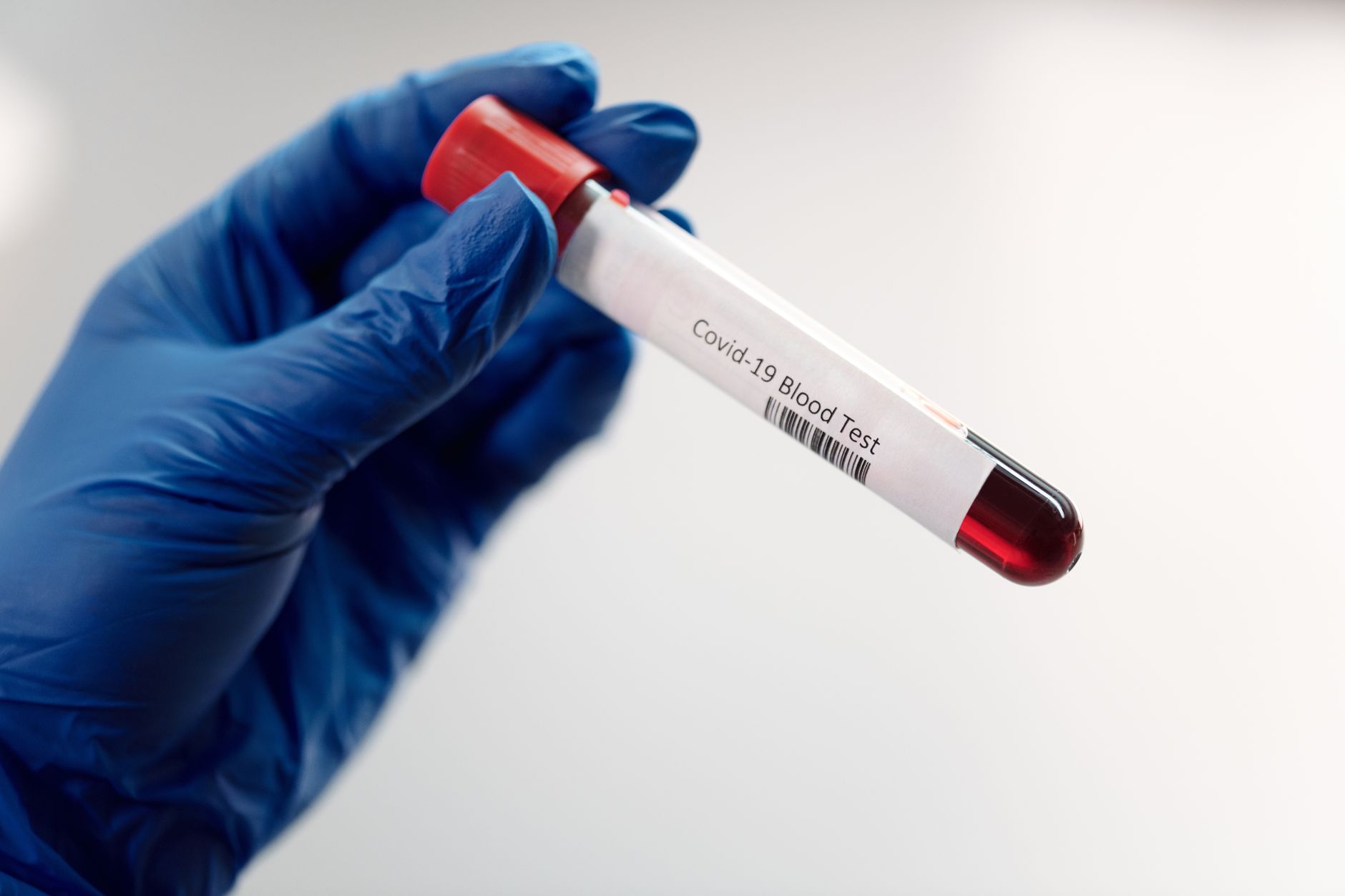
Multi-cancer early detection tests represent a breakthrough in cancer screening methodology. Unlike traditional screening methods that focus on one cancer type at a time—such as mammograms for breast cancer or colonoscopies for colorectal cancer—these blood-based tests can simultaneously screen for multiple cancer types from a single blood draw.
The technology works by detecting circulating tumor DNA in the bloodstream. When cancer cells die, they release fragments of DNA into the blood. These tests analyze these DNA fragments to identify abnormal patterns that indicate the presence of cancer, often before symptoms appear or tumors become large enough to detect through conventional imaging.
Why This Matters for India
India faces a growing cancer burden, with over 1.4 million new cancer cases diagnosed annually. Several factors make this development particularly significant for the Indian healthcare landscape:
- Late-stage diagnosis remains a critical challenge, with many cancers detected only after symptoms become severe
- Limited awareness about preventive screening means many individuals skip regular cancer checks
- Access to specialized screening facilities is concentrated in urban areas
- Traditional screening methods can be invasive, time-consuming, and require multiple appointments
A blood-based test that screens for multiple cancers simultaneously could address several of these barriers. The convenience of a simple blood draw may encourage more people to undergo regular screening, potentially catching cancers at earlier, more treatable stages.
How the Technology Works
Blood-based multi-cancer detection tests typically analyze cell-free DNA circulating in the bloodstream. The process involves several sophisticated steps:
The test examines specific biomarkers and genetic mutations associated with various cancer types. Advanced algorithms and artificial intelligence analyze the DNA patterns to determine not only whether cancer signals are present but also predict the tissue of origin—essentially identifying where in the body the cancer is likely located.
This tissue-of-origin prediction is crucial because it helps physicians know which follow-up tests to order and which specialists should be involved in further evaluation. Rather than replacing existing diagnostic methods, these tests serve as a complementary screening tool that can guide more targeted investigation.
Scope and Limitations
While multi-cancer detection tests represent exciting progress, it's important to understand their appropriate use. These tests are typically designed for adults at elevated cancer risk, either due to age, family history, or other risk factors. They are not meant to replace established screening protocols for cancers like breast, cervical, or colorectal cancer that already have proven screening methods.
The tests work best for cancers that currently lack effective screening methods. Many deadly cancers—including pancreatic, ovarian, and esophageal cancers—are often diagnosed late because routine screening options don't exist. Multi-cancer detection tests could fill this critical gap.
Cost Considerations and Accessibility
One significant question surrounding these advanced tests is affordability. Cutting-edge cancer screening technology typically comes with premium pricing, which may initially limit accessibility to urban, affluent populations. However, as the technology matures and adoption increases, costs are expected to decrease over time.
Insurance coverage will also play a crucial role in determining how widely these tests can be accessed. As evidence builds regarding their effectiveness in improving cancer outcomes, more insurance providers may include them in covered preventive services.
The Future of Cancer Screening
The introduction of multi-cancer detection technology in India signals a broader shift toward proactive, preventive healthcare. As these tests become more refined and accessible, they could transform cancer screening from a reactive process—investigating symptoms after they appear—to a truly preventive strategy that catches cancer at its earliest, most treatable stages.
Healthcare providers and patients alike will need education about how to integrate these tests into comprehensive cancer prevention strategies, understanding both their powerful potential and their current limitations.
This article is for general informational purposes only and should not be considered medical advice. Individuals should consult qualified healthcare professionals to determine appropriate cancer screening strategies based on their personal health history, risk factors, and current medical guidelines.