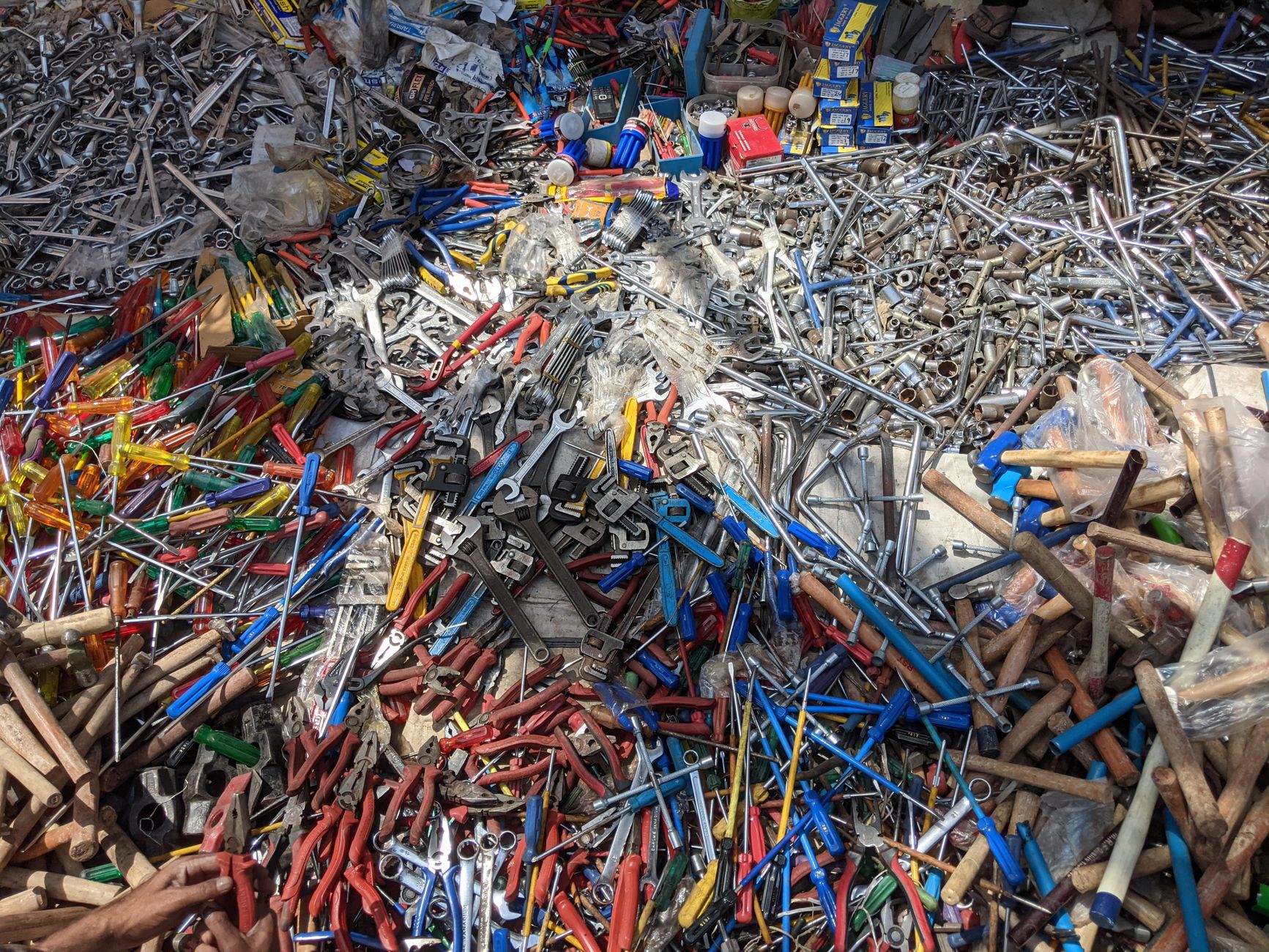
The do-it-yourself and hardware store market in India has transformed from a fragmented, unorganised sector into a rapidly growing retail category. As more Indians embrace home improvement projects and seek greater control over their living spaces, understanding the market dynamics becomes crucial for both consumers and industry stakeholders.
Market Size and Growth Trajectory
The Indian DIY and hardware retail market has witnessed significant expansion over the past five years. The sector encompasses everything from basic tools and building materials to paint, electrical supplies, plumbing fixtures, and garden equipment. Industry estimates suggest the market is growing at a compound annual growth rate of 12-15 per cent, driven primarily by urban consumers who are increasingly comfortable with hands-on home improvement.
This growth outpaces many traditional retail categories, reflecting a fundamental shift in how Indians approach home maintenance and renovation. The rise of nuclear families, smaller living spaces requiring customisation, and a growing culture of self-reliance have all contributed to this upward trend.
Key Market Drivers
Several factors are propelling the DIY and hardware store market forward. Urbanisation remains the primary catalyst, with millions moving to cities annually and seeking to personalise rented or newly purchased homes. The proliferation of online tutorials and home improvement content on platforms like YouTube and Instagram has demystified complex projects, making DIY accessible to novices.
The pandemic also accelerated market growth, as lockdowns forced people to spend extended periods at home. Many discovered the satisfaction and cost savings of handling minor repairs and improvements themselves rather than hiring professionals. This behavioural shift appears to have lasting effects, with sustained interest in DIY projects even as normalcy returned.
Rising labour costs in urban areas have made professional services for minor repairs increasingly expensive, pushing cost-conscious consumers toward the DIY route. Additionally, improved product availability and quality in hardware stores have boosted consumer confidence in tackling projects independently.
Organised Versus Unorganised Retail
The Indian hardware market remains predominantly unorganised, with small neighbourhood stores accounting for approximately 85-90 per cent of sales. These traditional retailers offer personalised service and credit facilities but often lack product variety and standardised pricing.
However, organised retail is gaining ground rapidly. Large-format stores and chains are expanding their presence in tier-1 and tier-2 cities, offering wider product ranges, transparent pricing, and professional advice. International players and domestic chains are investing heavily in this space, recognising the untapped potential.
Product Categories and Consumer Preferences
Power tools represent one of the fastest-growing segments, with cordless drills, sanders, and multi-tools becoming household staples. Paint and decorating supplies consistently show strong demand, particularly as consumers refresh their homes more frequently than previous generations.
Home organisation and storage solutions have emerged as surprise bestsellers, reflecting space constraints in urban apartments. Smart home devices and energy-efficient fixtures are gaining traction among tech-savvy consumers, though they remain niche categories.
Seasonal variations affect demand significantly. Pre-festive periods see spikes in paint and decorative hardware sales, while the monsoon season drives demand for waterproofing solutions and plumbing supplies.
Digital Transformation and E-commerce
Online platforms are reshaping how Indians shop for DIY supplies. E-commerce marketplaces offer unprecedented product variety, customer reviews, and competitive pricing. However, the tangible nature of hardware products means many consumers still prefer physical stores for major purchases, using online platforms primarily for research and price comparison.
Several retailers have adopted omnichannel strategies, combining physical stores with digital catalogues and home delivery services. This hybrid approach addresses the Indian consumer's preference for seeing and touching products while offering the convenience of online ordering.
Regional Variations and Market Penetration
Metro cities like Mumbai, Delhi, and Bangalore lead in organised retail penetration and DIY adoption. Tier-2 cities show the highest growth potential, with improving infrastructure and rising disposable incomes creating new opportunities.
Regional preferences vary significantly. Climate influences product demand, with coastal areas showing higher demand for rust-resistant fittings and waterproofing, while northern regions prioritise heating solutions and insulation materials.
Future Outlook
The Indian DIY and hardware store market appears poised for continued expansion. Increasing home ownership rates, government initiatives promoting affordable housing, and growing renovation activity in aging housing stock all point toward sustained demand. As the market matures, expect greater standardisation, improved customer education initiatives, and increased competition driving better value for consumers.