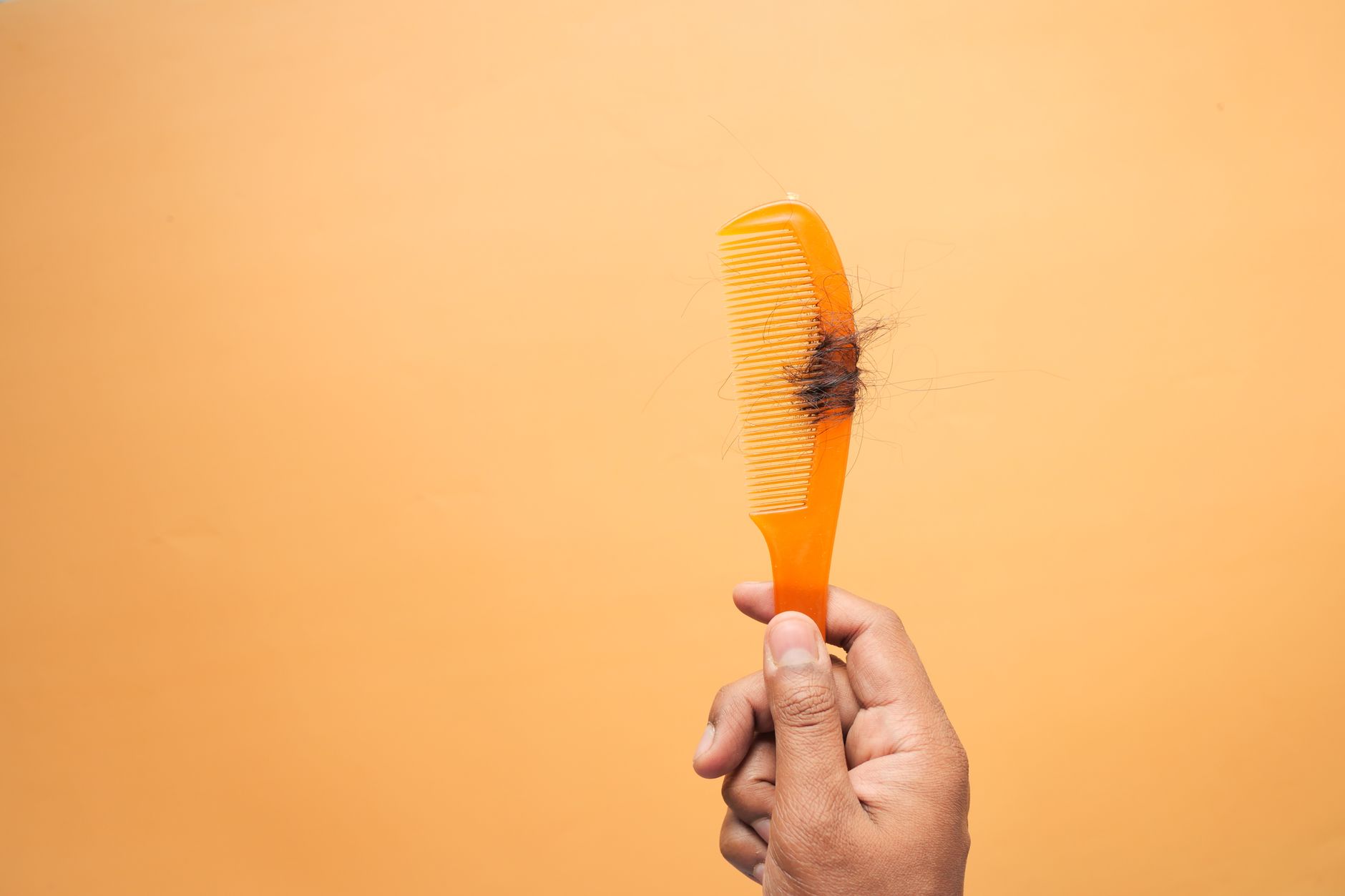
Split ends, medically known as trichoptilosis, occur when the protective outer layer of your hair shaft becomes damaged and frays. This common hair concern affects people with all hair types, though it's particularly noticeable in those with longer hair or chemically treated strands. Understanding the causes and implementing dermatologist-approved strategies can help you maintain healthier, more vibrant hair.
Understanding What Causes Split Ends
Hair damage leading to split ends happens for several reasons. Excessive heat styling from blow dryers, straighteners, and curling irons weakens the hair's protein structure. Chemical treatments like colouring, bleaching, and perming strip away the hair's natural protective oils. Environmental factors including sun exposure, pollution, and harsh weather conditions also contribute to weakening hair strands.
Physical damage from rough brushing, tight hairstyles, and friction against pillows or clothing can cause the hair cuticle to break down. Even over-washing or using harsh shampoos can strip away natural oils that protect your hair from splitting.
Prevention Strategies Recommended by Dermatologists
The most effective approach to split ends is prevention. Dermatologists emphasize that once hair splits, the damage cannot be reversed, making preventive care essential.
Limit heat styling as much as possible. When you must use hot tools, always apply a heat protectant spray or serum first, and keep temperatures below 180 degrees Celsius. Air-drying your hair whenever possible gives it a chance to recover from styling stress.
Choose the right hairbrush for your hair type. Wide-toothed combs work best for detangling wet hair, which is more vulnerable to damage. For dry hair, use brushes with natural bristles that distribute oils along the hair shaft.
Hair Care Routine Modifications
Wash your hair with lukewarm or cool water rather than hot water, which can strip natural oils. Use a sulfate-free shampoo that cleanses gently without harsh detergents. Focus shampoo on your scalp and let it rinse through the lengths rather than scrubbing the entire length of your hair.
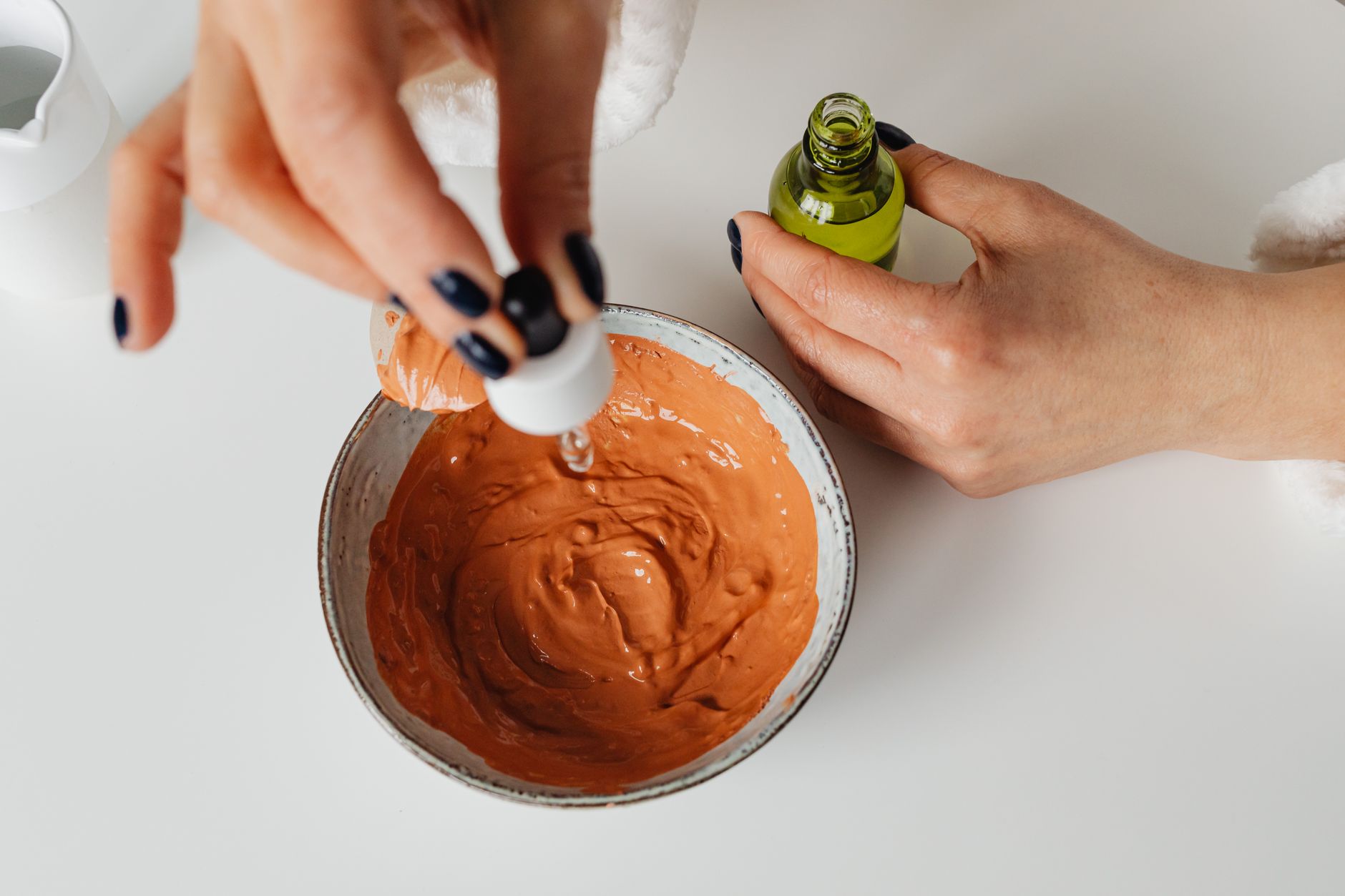
Apply conditioner from mid-length to ends, avoiding the scalp. Leave it on for at least two to three minutes to allow proper moisture penetration. Consider using a deep conditioning treatment or hair mask once weekly to provide extra nourishment.
Protective Styling and Handling
How you handle your hair daily makes a significant difference. Pat your hair dry with a soft towel rather than rubbing vigorously. Consider using a microfiber towel or old t-shirt, which creates less friction than regular towels.
Sleep on silk or satin pillowcases to reduce friction while you sleep. Alternatively, wrap your hair in a silk scarf before bed. Avoid sleeping with wet hair, as it's more prone to breakage.
Minimize tight hairstyles that pull on your hair, such as tight ponytails or buns. When you do tie your hair up, use fabric-covered elastic bands instead of rubber bands, which can catch and tear hair strands.
Nutritional Support for Hair Health
Dermatologists emphasize that healthy hair starts from within. Ensure your diet includes adequate protein, as hair is primarily made of keratin, a protein structure. Include biotin-rich foods like eggs, nuts, and whole grains. Omega-3 fatty acids from fish, flaxseeds, and walnuts support scalp health and hair moisture.
Stay hydrated by drinking sufficient water throughout the day. Dehydration affects hair health just as it impacts skin health.
Regular Trimming is Essential
Despite your best prevention efforts, regular trims remain necessary. Dermatologists recommend trimming your hair every eight to twelve weeks to remove split ends before they travel up the hair shaft. This doesn't make your hair grow faster, but it does prevent damage from worsening and keeps your hair looking healthy.
Treatment Products Worth Considering
Look for leave-in conditioners and serums containing ingredients like argan oil, coconut oil, or keratin. These can temporarily seal split ends and make hair appear smoother, though they don't repair the damage. Silicone-based products can also coat the hair shaft and prevent further splitting, but use them sparingly to avoid buildup.
This article is for general informational purposes only and is not a substitute for professional dermatological advice. If you have persistent hair concerns or underlying scalp conditions, consult a qualified dermatologist or trichologist for personalized guidance.