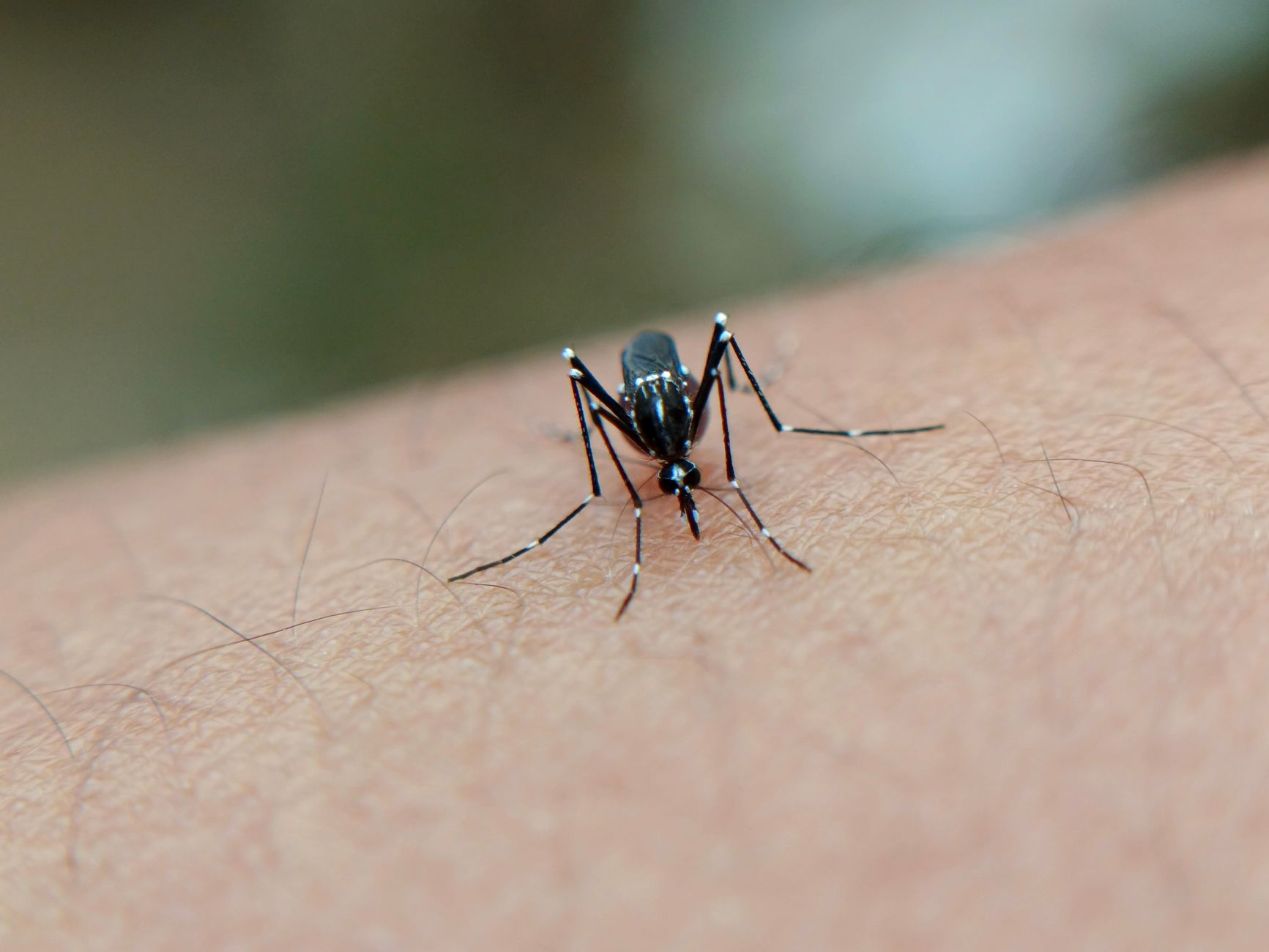
India's monsoon season has arrived with its characteristic rains and waterlogging, creating ideal breeding conditions for mosquitoes and triggering a significant surge in dengue fever cases across multiple states. This year's dengue outbreak comes amid a broader shift in India's disease landscape, where traditional vector-borne diseases are showing mixed trends while non-communicable diseases continue their steady climb.
The Dengue Situation This Monsoon
Dengue fever, transmitted by the Aedes aegypti mosquito, thrives during the monsoon months when stagnant water accumulates in urban and rural areas. Flower pots, discarded tyres, water storage containers, and even small puddles become breeding grounds for these day-biting mosquitoes. This year has seen a notable uptick in reported dengue cases across several Indian states, with urban areas particularly affected due to dense populations and inadequate drainage systems.
The symptoms of dengue range from high fever, severe headache, and joint pain to more serious complications including dengue hemorrhagic fever and dengue shock syndrome. Hospital admissions have increased in major cities, putting pressure on healthcare infrastructure already stretched by other seasonal illnesses.
Progress Against Malaria and Kala-Azar
While dengue cases rise, India has made remarkable progress in controlling other vector-borne diseases. Malaria cases have declined significantly over the past decade, thanks to sustained government efforts including the distribution of insecticide-treated bed nets, indoor residual spraying, and improved diagnostic and treatment facilities under the National Vector Borne Disease Control Programme.
Kala-azar, also known as visceral leishmaniasis, has seen even more dramatic reductions. Once endemic to Bihar, Jharkhand, West Bengal, and eastern Uttar Pradesh, aggressive elimination campaigns have brought case numbers down substantially. The disease, transmitted by sandflies, had been a major cause of mortality in affected regions, but early detection, effective treatment with newer drugs, and vector control measures have turned the tide.
The Rising Burden of Non-Communicable Diseases
Even as India celebrates victories against infectious diseases, the country faces a growing epidemic of non-communicable diseases (NCDs). Diabetes, cardiovascular diseases, cancer, and chronic respiratory conditions now account for a significant proportion of deaths and disabilities nationwide.
Several factors drive this trend. Rapid urbanization has led to sedentary lifestyles, with desk jobs replacing physical labour for millions. Dietary changes have introduced more processed foods, sugar, and unhealthy fats into daily meals. Tobacco use remains widespread, and air pollution in major cities reaches hazardous levels during certain months. An aging population also contributes to higher NCD prevalence.
The COVID-19 pandemic further complicated matters, disrupting routine screenings and management programmes for chronic diseases. Many patients delayed or avoided hospital visits, leading to poorly controlled conditions and increased complications.
Understanding the Double Disease Burden
India now contends with a double disease burden: infectious diseases that remain threats during specific seasons, and chronic conditions requiring lifelong management. This dual challenge strains healthcare resources, requiring simultaneous investment in preventive medicine, acute care facilities, and long-term disease management infrastructure.
The healthcare system must maintain vigilance against vector-borne diseases during monsoon while ensuring continuous care for millions living with diabetes, hypertension, and heart disease. Rural areas face particular difficulties, with limited access to both preventive services and specialized care for chronic conditions.
Prevention and Protection Measures
Preventing dengue during monsoon requires community-wide efforts. Residents should eliminate stagnant water sources, use mosquito repellents, install window screens, and wear protective clothing. Municipal authorities must ensure proper drainage and conduct regular fogging operations in affected areas.
For NCDs, prevention starts with lifestyle modifications including regular physical activity, balanced nutrition, stress management, and avoiding tobacco and excessive alcohol. Regular health check-ups help detect conditions like diabetes and hypertension early when they are most manageable.
Government initiatives like Ayushman Bharat and various screening programmes aim to address both infectious and non-communicable diseases, but success requires sustained funding, adequate healthcare workforce, and public awareness.
The Path Forward
Addressing India's double disease burden requires integrated approaches. Vector control programmes must continue their successful work while adapting to climate change and urbanization patterns. Simultaneously, strengthening primary healthcare for NCD screening, treatment, and management remains essential.
Public health messaging during monsoon should cover both immediate threats like dengue and long-term risks from unhealthy lifestyles. Only through comprehensive strategies addressing both infectious and chronic diseases can India build a resilient healthcare system capable of protecting all citizens.
This article is for general informational purposes only and should not replace professional medical advice. If you experience symptoms of dengue or any health condition, consult a qualified healthcare provider for proper diagnosis and treatment.