In an era where professional repairs can cost thousands of rupees and replacement parts take weeks to arrive, the art of creative problem-solving has become more valuable than ever. Indian households have long practiced jugaad – the innovative approach to making do with available resources – and this tradition continues to thrive in modern homes worldwide.
The Psychology Behind DIY Solutions
The satisfaction of fixing something yourself goes beyond mere cost savings. When you devise an unconventional solution to a household problem, you engage in creative thinking that builds confidence and self-reliance. These makeshift repairs often emerge from necessity, but they reveal an important truth: expensive doesn't always mean better, and sometimes the simplest solution is the most effective one.
Many successful DIY fixes share common characteristics. They use readily available materials, require minimal technical expertise, and solve the immediate problem efficiently. A broken cabinet handle might be replaced with a sturdy rope knot, or a cracked phone screen protected with clear nail polish until proper repair is possible.
Common Household Problems With Clever Solutions
Indian homes face unique challenges, from monsoon-related dampness to power fluctuations and space constraints. Creative fixes address these issues in remarkably effective ways.
For kitchen challenges, aluminum foil serves multiple purposes beyond food storage. It can sharpen scissors, clean burnt cookware, and even fix loose battery connections in remote controls. Similarly, baking soda and vinegar combinations tackle everything from clogged drains to stubborn stains without expensive commercial cleaners.
Storage solutions demonstrate particular ingenuity. Shoe organizers hung on doors become storage for cleaning supplies, craft materials, or children's toys. Empty plastic bottles transform into planters, cord organizers, or even makeshift funnels. Old sarees and dupattas find new life as curtains, tablecloths, or decorative wall hangings.
When Temporary Becomes Permanent
Many DIY fixes intended as stopgap measures prove so effective they become permanent solutions. A wooden plank bridging a broken bed frame might outlast the bed itself. Duct tape repairs on bags and furniture often hold strong for years. These successes challenge our assumptions about what constitutes a proper fix.
The key lies in understanding the difference between temporary patches and sustainable solutions. A rubber band holding together a broken hinge works fine for lightweight cabinet doors but won't support heavy loads. Similarly, using a nail as a makeshift screwdriver might work once, but repeated use damages both the nail and the screw head.
Materials Every Home Should Keep
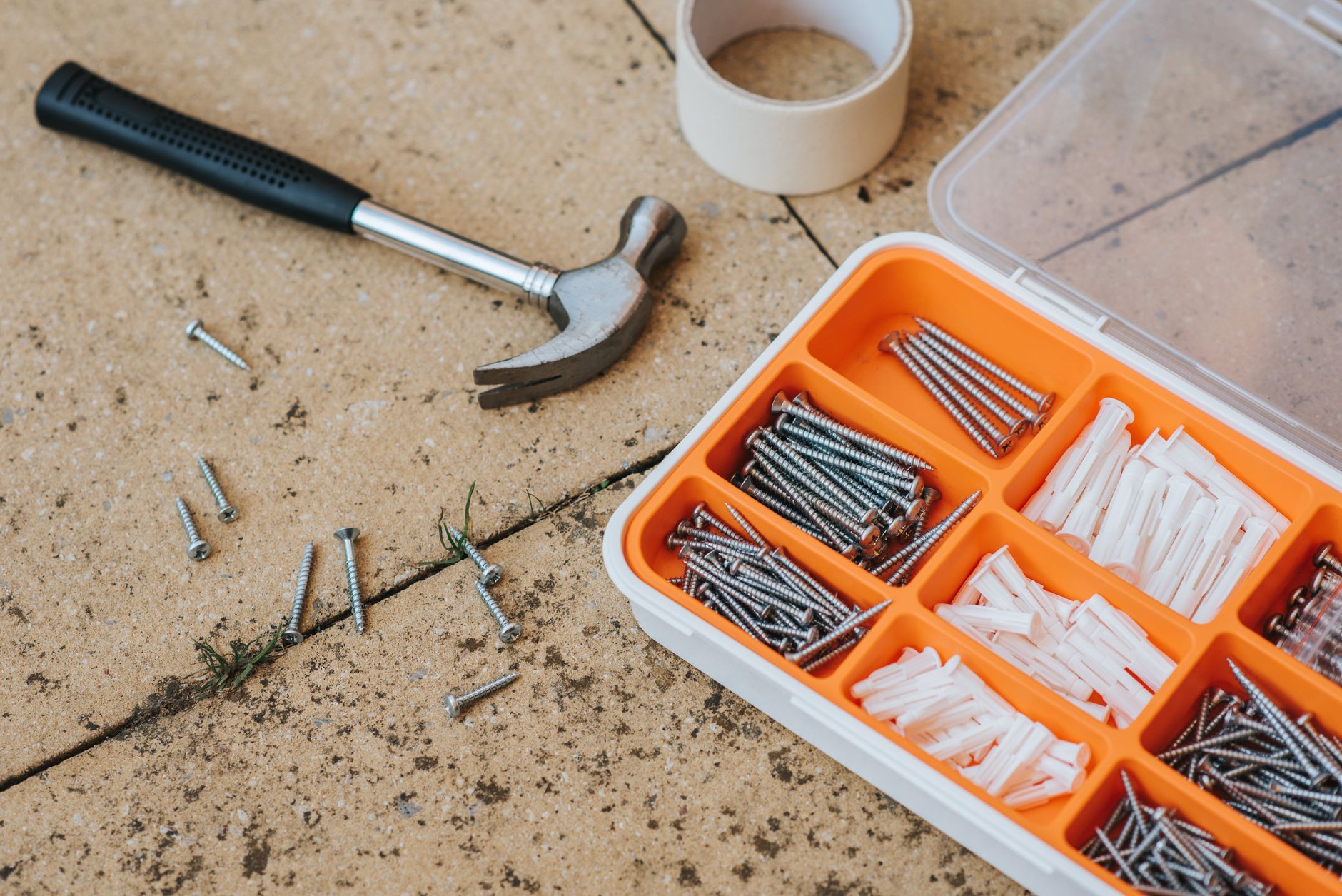
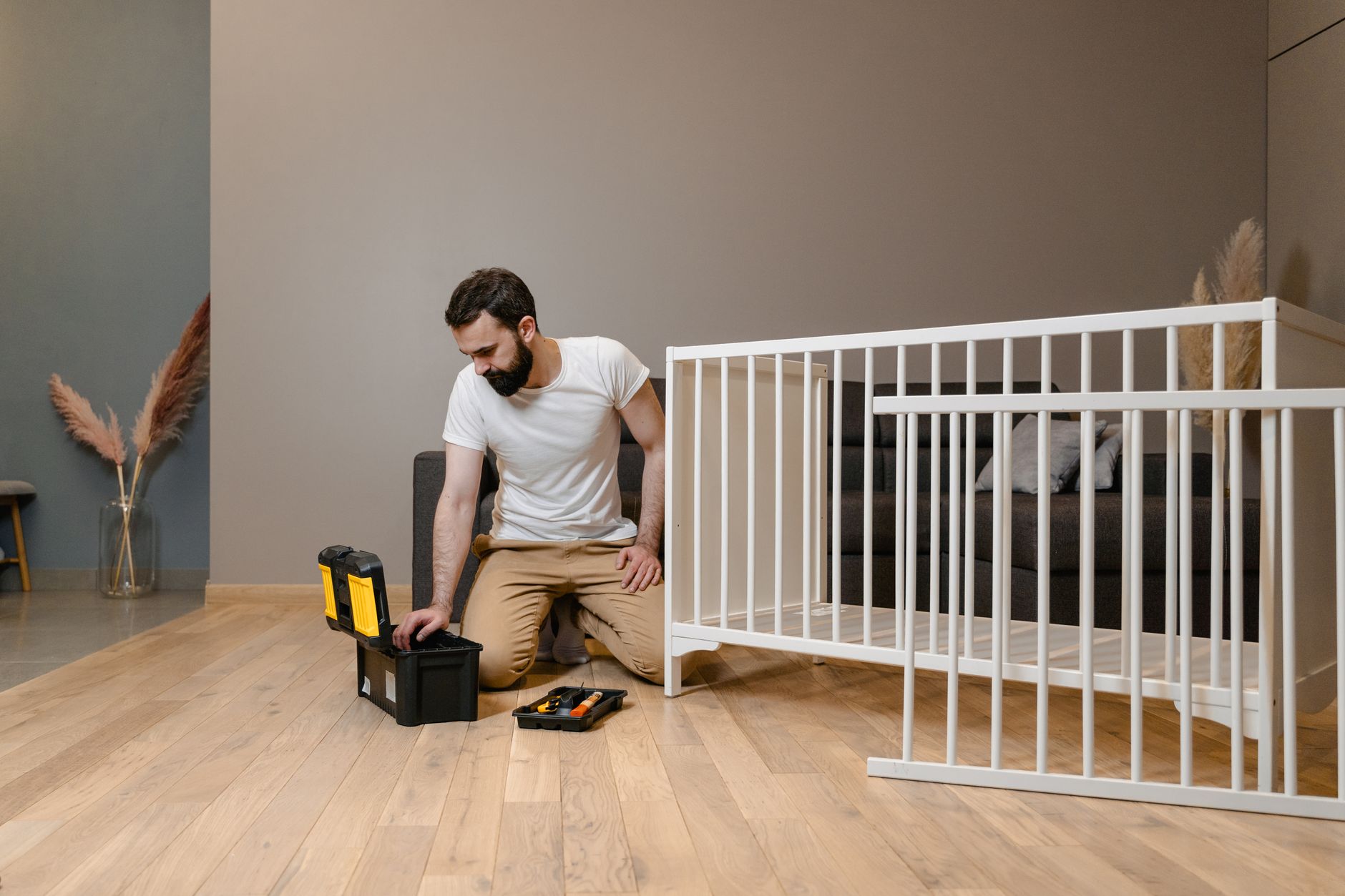
Successful DIY fixing requires a basic toolkit of versatile materials. Beyond standard tools like hammers and screwdrivers, certain items prove invaluable for creative repairs.
- Strong adhesive tape (duct tape, electrical tape, double-sided tape)
- Cable ties or zip ties in various sizes
- Rubber bands and binder clips
- Multipurpose adhesives like fevicol or superglue
- WD-40 or similar lubricant
- Basic fasteners (screws, nails, hooks)
- Old cloth pieces and newspapers
- Coconut oil for squeaky hinges and stuck zippers
Safety Considerations
While creative fixes demonstrate resourcefulness, safety must remain paramount. Electrical repairs require particular caution – never use makeshift solutions for exposed wiring or damaged electrical appliances that could cause fires or shocks. Similarly, structural repairs to furniture or fixtures that bear weight should be temporary only, with professional assessment planned.
Water-related fixes need careful consideration too. A leak temporarily stopped with tape might seem successful, but hidden moisture can cause mold growth and structural damage over time. Gas connections and cooking equipment should never receive DIY repairs, as the risks far outweigh any cost savings.
The Environmental Angle
Creative repairs align perfectly with sustainability goals. Every item repaired rather than replaced reduces waste heading to landfills. This approach also decreases demand for new manufacturing, conserving resources and reducing carbon emissions. In India's push toward sustainable living, such practices become doubly valuable.
Repurposing household items extends their lifecycle significantly. Glass jars become storage containers, old clothes transform into cleaning rags, and cardboard boxes organize drawers and shelves. This mindset shift from disposable to reusable benefits both household budgets and environmental health.
Learning From Failures
Not every DIY fix succeeds, and that's perfectly acceptable. Failed attempts teach valuable lessons about material properties, structural requirements, and personal skill limits. The important thing is knowing when a professional is needed and not letting pride or budget constraints compromise safety or create bigger problems.
Documentation helps too. Photographing successful repairs and noting materials used creates a personal reference guide for future problems. Sharing these solutions with family and friends builds a community knowledge base that benefits everyone.