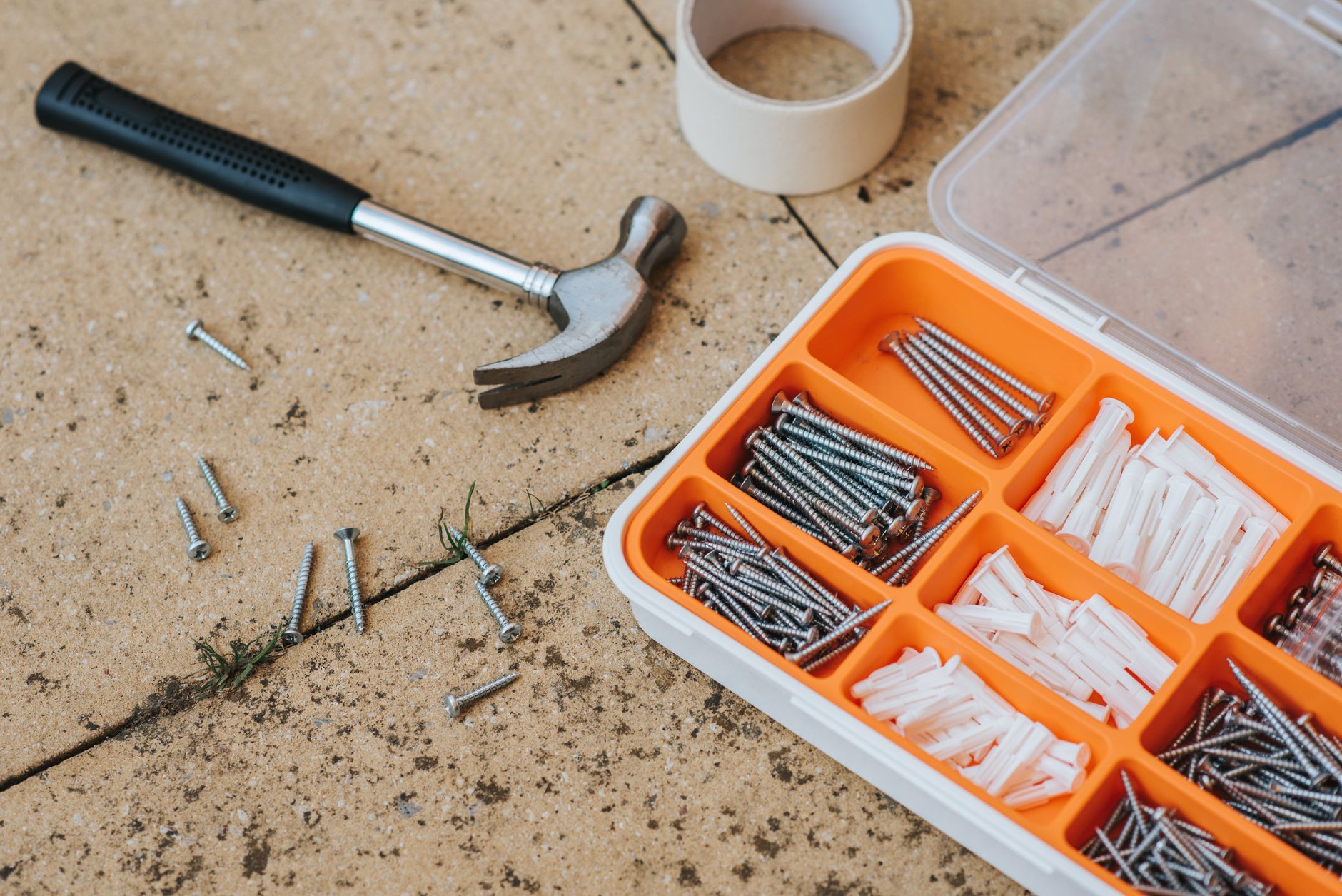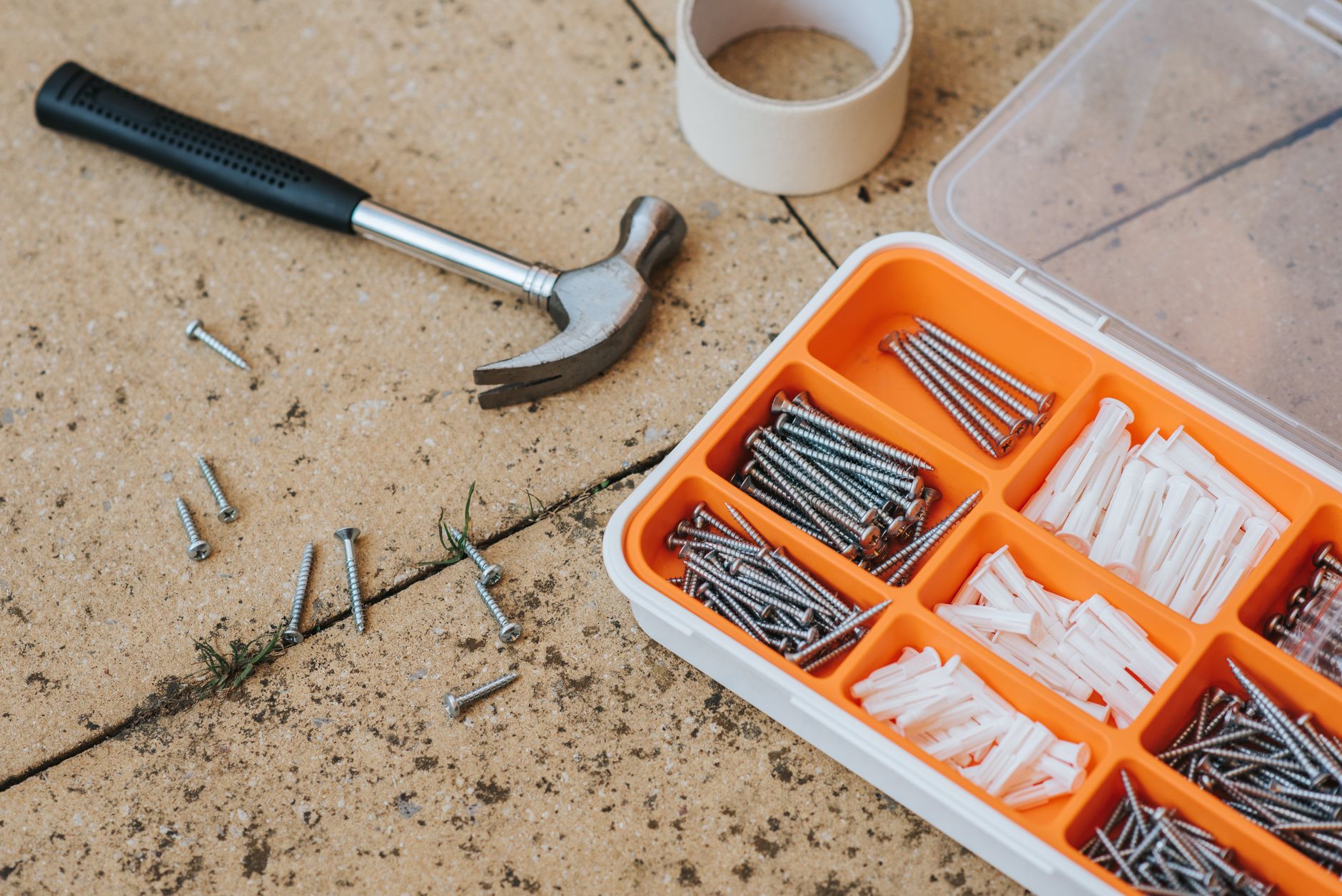
The home repair and maintenance sector has traditionally been male-dominated across most cultures, including India. However, a quiet revolution is underway as more women pick up drills, hammers, and wrenches—not just for personal projects but as professional service providers. This shift reflects changing attitudes about gender roles and opens new economic opportunities for women seeking alternative career paths.
The Changing Face of Home Repairs in India
Historically, Indian households have relied on male carpenters, plumbers, electricians, and handymen for repairs and installations. The assumption that physical strength and technical knowledge are exclusively male domains has kept women largely absent from this sector. However, urbanization, nuclear families, and increased awareness about gender equality are gradually dismantling these outdated notions.
Several Indian startups and service platforms have begun actively recruiting and training women for home repair services. These initiatives recognize that many female customers feel more comfortable having women enter their homes for repairs, particularly in households where women may be alone during daytime hours. This creates a unique market opportunity while simultaneously empowering women economically.
Why Women Excel in Home Repair Services
Contrary to stereotypes, the home repair industry requires more than just physical strength. Success depends on attention to detail, customer service skills, problem-solving abilities, and technical knowledge—qualities that have nothing to do with gender.
Women professionals in this field often report that clients appreciate their thoroughness and communication skills. They tend to explain the repair process clearly, maintain cleaner work environments, and show patience when customers have questions. These soft skills, combined with technical competence, often result in higher customer satisfaction rates.
Training and Skill Development Opportunities
Several organizations across India now offer vocational training programs specifically designed to bring women into skilled trades. These programs cover:
- Basic electrical repairs and installations
- Plumbing maintenance and fixture replacement
- Furniture assembly and carpentry basics
- Appliance installation and troubleshooting
- Wall painting and minor masonry work
- Use of power tools and safety equipment
The typical training period ranges from three to six months, making it a viable option for women seeking quick entry into income-generating work. Many programs also include modules on customer interaction, pricing services, and business basics for those interested in becoming independent contractors.
Economic Benefits and Independence
For many women, entering the home repair sector represents significant economic empowerment. The earnings potential often exceeds traditional female-dominated sectors like domestic work or garment manufacturing. Skilled repair professionals can earn between Rs 15,000 to Rs 40,000 monthly, with experienced independent contractors earning even more.
This income independence translates into better household decision-making power, improved living standards, and the ability to invest in children's education. For single mothers or women from economically disadvantaged backgrounds, these opportunities can be truly transformative.
Challenges That Remain
Despite progress, women in this sector still face considerable obstacles. Social stigma remains a significant barrier, with some communities viewing such work as inappropriate for women. Family resistance, particularly from spouses or in-laws, can prevent interested women from pursuing training or employment.
Safety concerns also exist, as traveling to different locations and entering unknown homes carries risks. Reputable service platforms address this through GPS tracking, customer verification systems, and emergency response protocols, but independent contractors may lack these protections.
Physical demands of certain jobs and lack of adequate protective equipment designed for women's bodies present additional challenges. Moreover, some customers still express preference for male workers, believing them more capable.
The DIY Movement Among Indian Women
Beyond professional services, increasing numbers of Indian women are embracing DIY home repairs and improvements as a hobby and practical skill. Online tutorials, YouTube channels, and social media communities have democratized access to repair knowledge. Women are sharing their projects—from fixing leaky taps to assembling furniture to painting accent walls—inspiring others to try.
This DIY culture builds confidence, saves money, and eliminates dependence on service providers for minor issues. It also challenges the notion that women need to wait for male family members to handle household repairs.
Looking Ahead
The entry of women into home repair services represents more than just occupational diversity—it signals broader social change. As more women demonstrate competence with power tools and technical work, younger generations grow up without rigid gender-based assumptions about who can do what.
For Indian households and businesses, this trend means access to a larger pool of skilled workers, potentially improving service quality and availability. For women themselves, it opens doors to dignified work, fair compensation, and the satisfaction of mastering valuable skills.
The journey toward full equality in this sector continues, but every woman who picks up a drill or wrench helps build a more inclusive future.