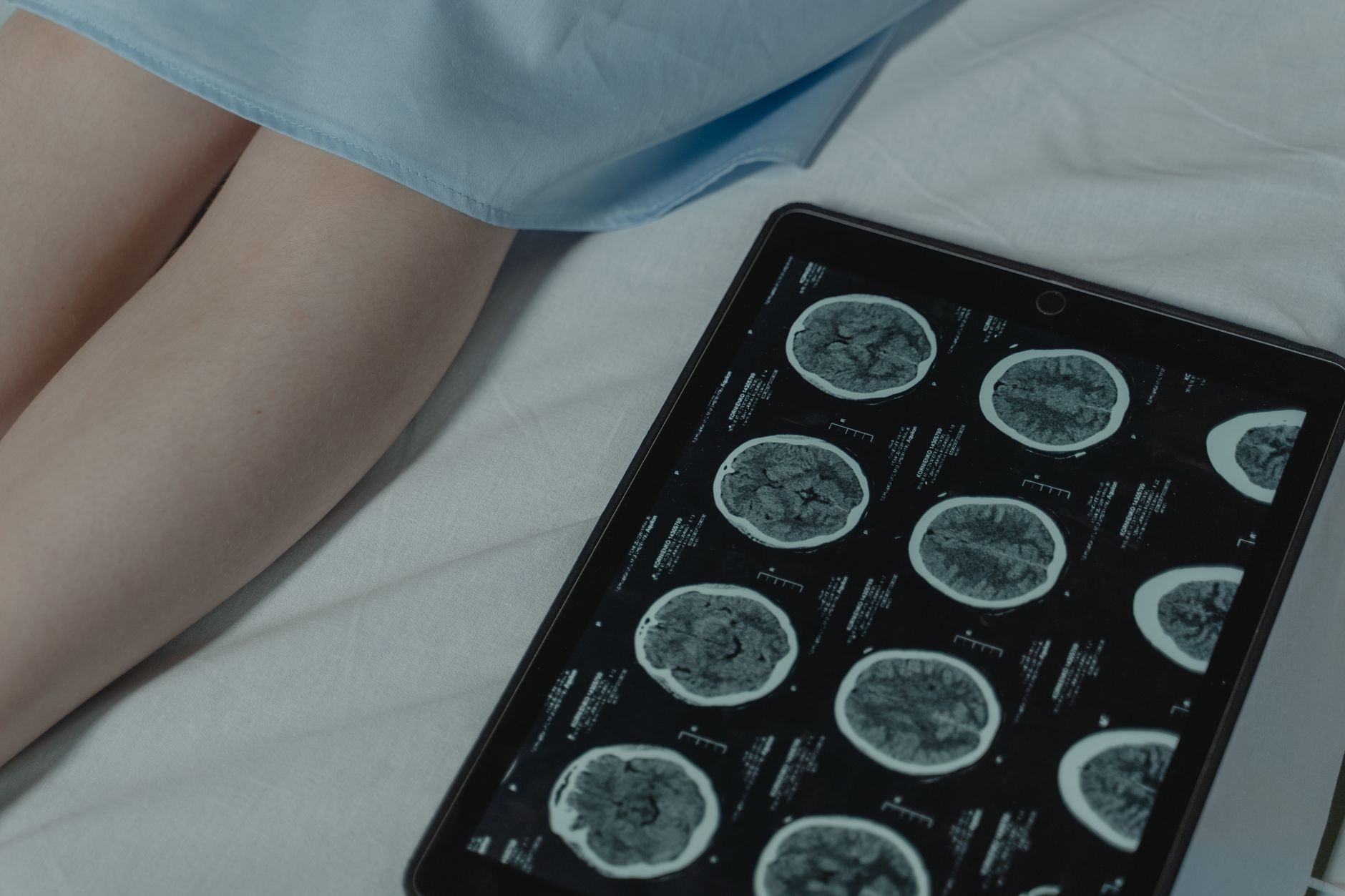
India is witnessing a concerning trend in public health as the incidence of neurological disorders continues to climb while the nation grapples with an acute shortage of specialist doctors to treat these conditions. The gap between the growing burden of brain-related diseases and the availability of trained neurologists has created a healthcare crisis that affects millions of Indians across urban and rural areas.
Understanding the Scope of Neurological Disorders
Neurological disorders encompass a wide range of conditions affecting the brain, spinal cord, and nervous system. These include stroke, epilepsy, Parkinson's disease, Alzheimer's disease, multiple sclerosis, migraines, and various other conditions that impact cognitive function, movement, and overall quality of life.
Recent estimates suggest that neurological disorders account for a significant proportion of the disease burden in India. Stroke alone affects approximately 1.8 million people annually in the country, while epilepsy impacts over 10 million Indians. The aging population, changing lifestyles, and increased survival rates from other diseases have contributed to the rising prevalence of conditions like dementia and Parkinson's disease.
The Neurologist Shortage Crisis
India currently faces a severe deficit in the number of trained neurologists relative to its population. The doctor-to-patient ratio for neurology specialists remains far below global standards and the country's actual needs. Most estimates suggest that India has fewer than 2,000 qualified neurologists serving a population of over 1.4 billion people.
This shortage is particularly acute in rural areas, where specialized neurological care is virtually non-existent. The vast majority of neurologists practice in major metropolitan areas and tier-one cities, leaving smaller towns and villages without access to these critical specialists.
Factors Contributing to the Healthcare Gap
Several interconnected factors have created this challenging situation:
- Limited training infrastructure and neurological departments in medical colleges across the country
- Concentration of medical specialists in urban areas due to better facilities and opportunities
- Insufficient government investment in specialized healthcare infrastructure
- Brain drain as trained specialists migrate to developed countries for better compensation and research opportunities
- Long and demanding training pathways that discourage many medical graduates from specializing in neurology
Impact on Patient Care and Outcomes
The neurologist shortage has serious implications for patient care. Many individuals with neurological symptoms experience delayed diagnoses, which can be critical for conditions like stroke where timely intervention is essential. Patients in tier-two and tier-three cities often must travel hundreds of kilometers to access specialist care, facing significant financial and logistical burdens.
The lack of specialists also means that general physicians must handle complex neurological cases without adequate training, potentially leading to misdiagnosis or suboptimal treatment. This situation increases the overall disease burden and healthcare costs while reducing the quality of life for patients and their families.
Rising Risk Factors in Modern India
The increasing prevalence of neurological disorders in India can be attributed to several contemporary factors. Lifestyle changes including sedentary work habits, poor dietary patterns, high stress levels, and inadequate sleep have increased the risk of stroke and other brain conditions. Air pollution, particularly in urban areas, has also been linked to higher rates of neurological problems and cognitive decline.
Additionally, improved diagnostic capabilities mean that more cases are being identified than in previous decades, though this also highlights the existing treatment gap.
Potential Solutions and Way Forward
Addressing this crisis requires a multi-pronged approach. Expanding neurology departments in medical colleges and increasing postgraduate seats in neurology can help train more specialists. Telemedicine initiatives can extend specialist consultations to remote areas, while training programs for general practitioners in basic neurological care can improve primary-level diagnosis and treatment.
Government incentives to encourage neurologists to practice in underserved areas, along with investments in neurological research and treatment facilities, could help distribute expertise more equitably. Public awareness campaigns about neurological health and preventive measures are equally important to reduce the overall disease burden.
The integration of technology, including AI-assisted diagnostic tools and digital health platforms, may also help bridge the gap between specialist availability and patient needs in the coming years.
This article is for general informational purposes only and should not be considered medical advice. Anyone experiencing neurological symptoms should consult qualified healthcare professionals for proper diagnosis and treatment.