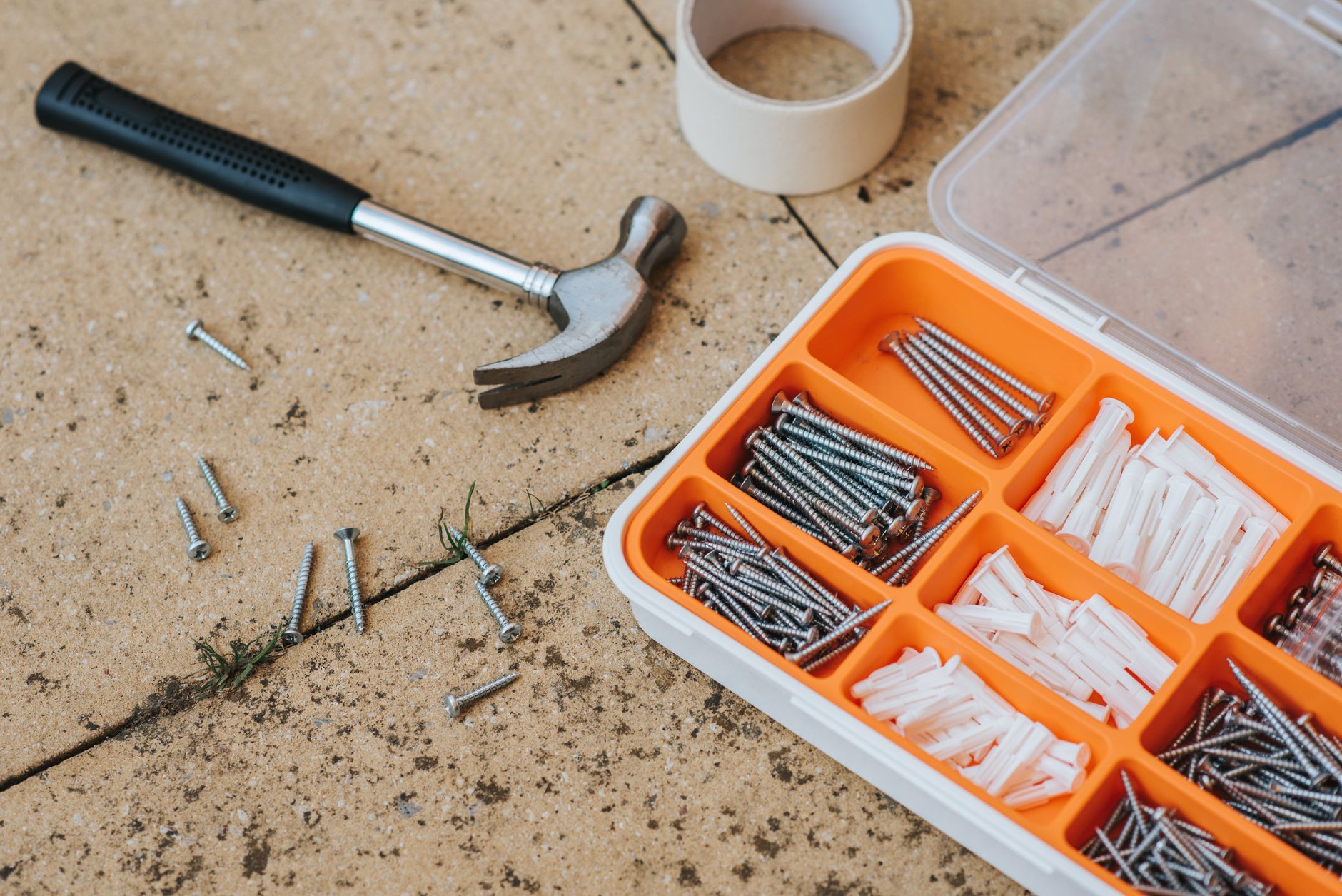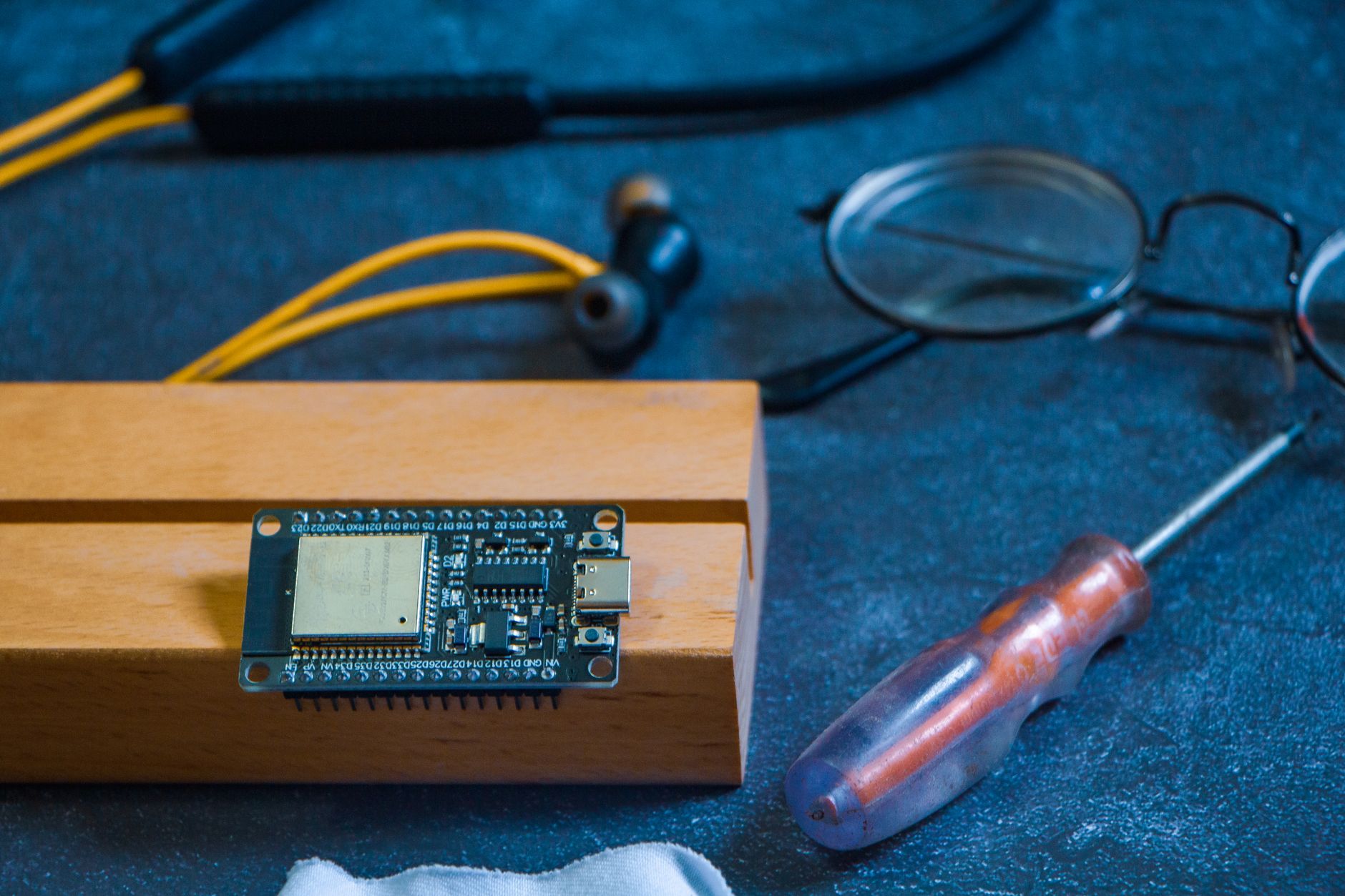
The intersection of artificial intelligence and home improvement is ushering in a new era for DIY enthusiasts and novice homeowners alike. What once required calling an expensive professional or spending hours watching tutorial videos can now be simplified through AI-powered tools that guide users through repairs with unprecedented precision and personalisation.
The Rise of AI-Powered Diagnostic Tools
One of the most significant developments in the DIY space is the emergence of AI diagnostic applications. These smartphone-based tools can identify problems simply by analysing photos or videos of household issues. Whether it's a leaking pipe, electrical fault, or structural crack, machine learning algorithms trained on millions of images can now diagnose common household problems with remarkable accuracy.
Homeowners can photograph a damaged wall, malfunctioning appliance, or plumbing issue, and receive instant analysis of the problem along with difficulty ratings and estimated repair costs. This technology eliminates much of the guesswork that traditionally plagued home repairs, helping people understand whether a task is genuinely within their skillset or requires professional intervention.
Virtual Assistants and Augmented Reality Guidance
AI-driven virtual assistants are transforming how people approach repair projects. These systems provide real-time, conversational guidance throughout the repair process. Unlike static video tutorials, AI assistants can answer specific questions, adapt instructions based on user feedback, and troubleshoot unexpected complications as they arise.
Augmented reality applications take this concept further by overlaying digital instructions directly onto the physical workspace. Using a smartphone or AR glasses, users can see exactly where to drill, which wire to connect, or how components should align. This visual guidance dramatically reduces errors and builds confidence in tackling unfamiliar projects.
Personalised Learning and Skill Development
Modern AI systems learn from user interactions, creating personalised repair journeys tailored to individual skill levels. For beginners, instructions might include more detailed explanations and safety reminders. Experienced DIYers receive streamlined guidance that focuses on efficiency rather than basic concepts.
These platforms also track completed projects and gradually increase complexity recommendations, effectively serving as personal home improvement coaches. The technology recognises patterns in the types of repairs homeowners successfully complete and suggests logical next steps for skill development.
Material and Tool Recommendations
AI algorithms analyse specific repair requirements and recommend optimal materials, tools, and techniques. Rather than purchasing unnecessary items or choosing inappropriate products, homeowners receive curated shopping lists tailored to their exact needs. Some systems even compare prices across retailers and factor in delivery times to ensure projects aren't delayed.
Advanced platforms can assess existing tool collections through image recognition, identifying what users already own and suggesting only genuinely needed purchases. This reduces waste and prevents the common DIY pitfall of accumulating redundant equipment.
Safety and Risk Assessment
Perhaps most importantly, AI systems are enhancing safety in DIY repairs. By analysing project parameters, these tools can identify potential hazards and provide specific safety protocols. Electrical work, structural modifications, and plumbing repairs all carry inherent risks that AI can help mitigate through comprehensive safety checklists and real-time warnings.
The technology can also recognise when a repair exceeds safe DIY boundaries, recommending professional assistance for complex or dangerous tasks. This protective function helps prevent injuries and property damage that often result from overambitious home repair attempts.
Cost Savings and Insurance Implications
The financial benefits of AI-enabled DIY extend beyond avoiding professional service fees. By improving repair accuracy and reducing mistakes, homeowners save on material waste and repeated attempts. Some insurance providers are beginning to recognise this trend, offering premium discounts or coverage benefits to policyholders who utilise certified AI diagnostic tools for home maintenance.
Regular AI-guided maintenance can also help identify small issues before they escalate into expensive problems, potentially reducing insurance claims and maintaining property values.
The Future of Home Maintenance
As AI technology continues advancing, integration with smart home systems will create proactive maintenance ecosystems. Sensors will detect developing issues, AI will diagnose problems, and homeowners will receive guided repair instructions before failures occur.
The democratisation of home repair knowledge through AI is empowering more people to take control of their living spaces, develop valuable skills, and reduce dependence on increasingly expensive professional services. While technology cannot replace human expertise in complex scenarios, it is certainly making the DIY landscape more accessible, safer, and more efficient than ever before.