India's healthcare system has long grappled with a stark divide between urban centres with world-class facilities and rural areas where even basic medical care remains scarce. Today, artificial intelligence is emerging as a powerful equaliser, putting sophisticated medical protocols and diagnostic capabilities into the hands of frontline health workers across the country's most underserved regions.
The Healthcare Gap India Faces
India has approximately one doctor for every 1,400 people, well below the World Health Organization's recommendation of one per 1,000. This shortage is felt most acutely in rural areas, where nearly 65 percent of the population lives but only 30 percent of healthcare infrastructure exists. District hospitals and primary health centres often lack specialists, forcing patients to travel hundreds of kilometres for diagnosis and treatment.
Compounding this challenge is the inconsistency in care quality. Even when healthcare workers are available, they may lack access to updated treatment protocols or specialist consultation. This results in delayed diagnoses, inappropriate treatments, and preventable complications.
AI as the Digital Doctor's Assistant
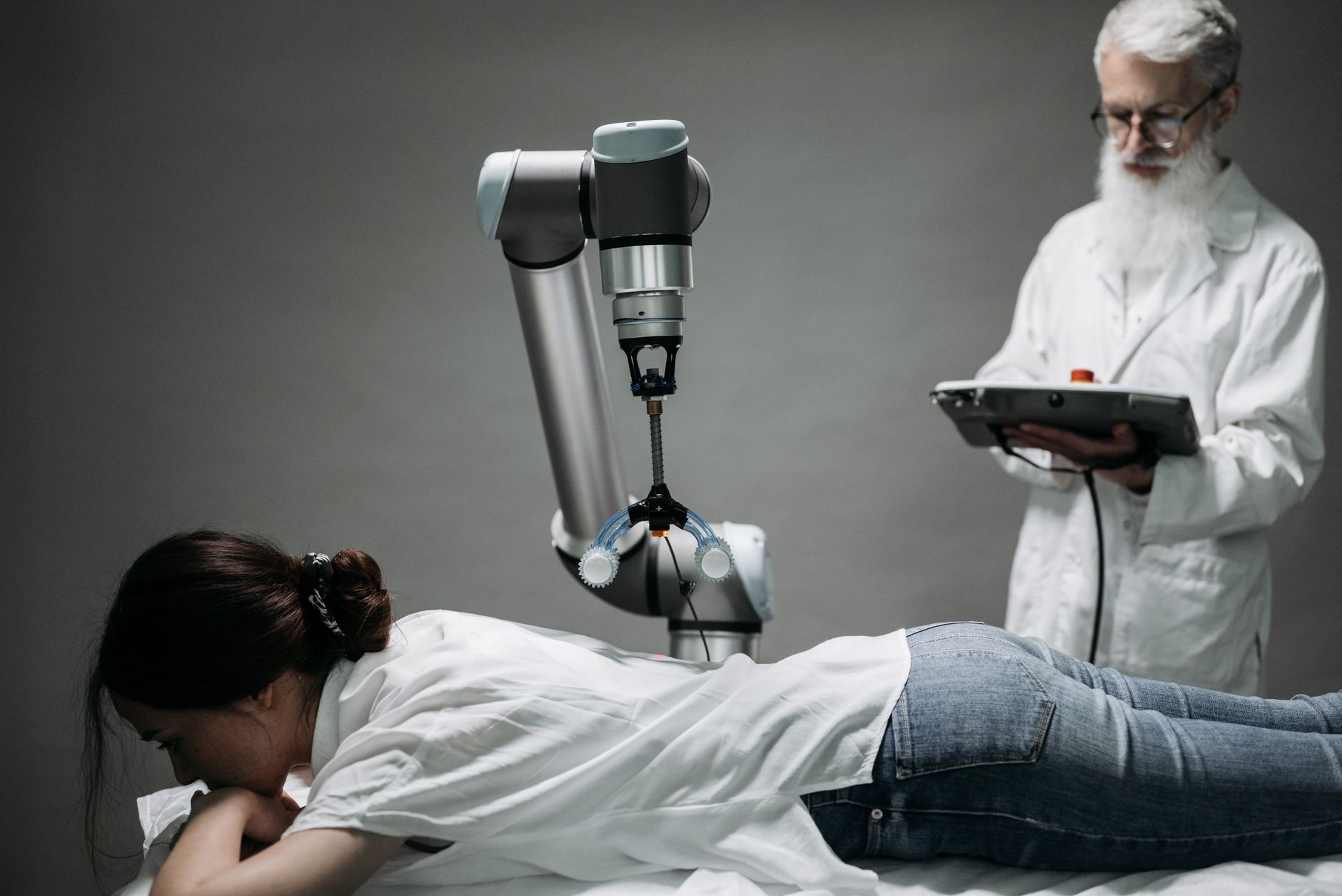
Artificial intelligence applications are now being deployed at India's healthcare frontline to bridge these gaps. These tools don't replace doctors but augment the capabilities of nurses, community health workers, and general practitioners working in resource-constrained settings.
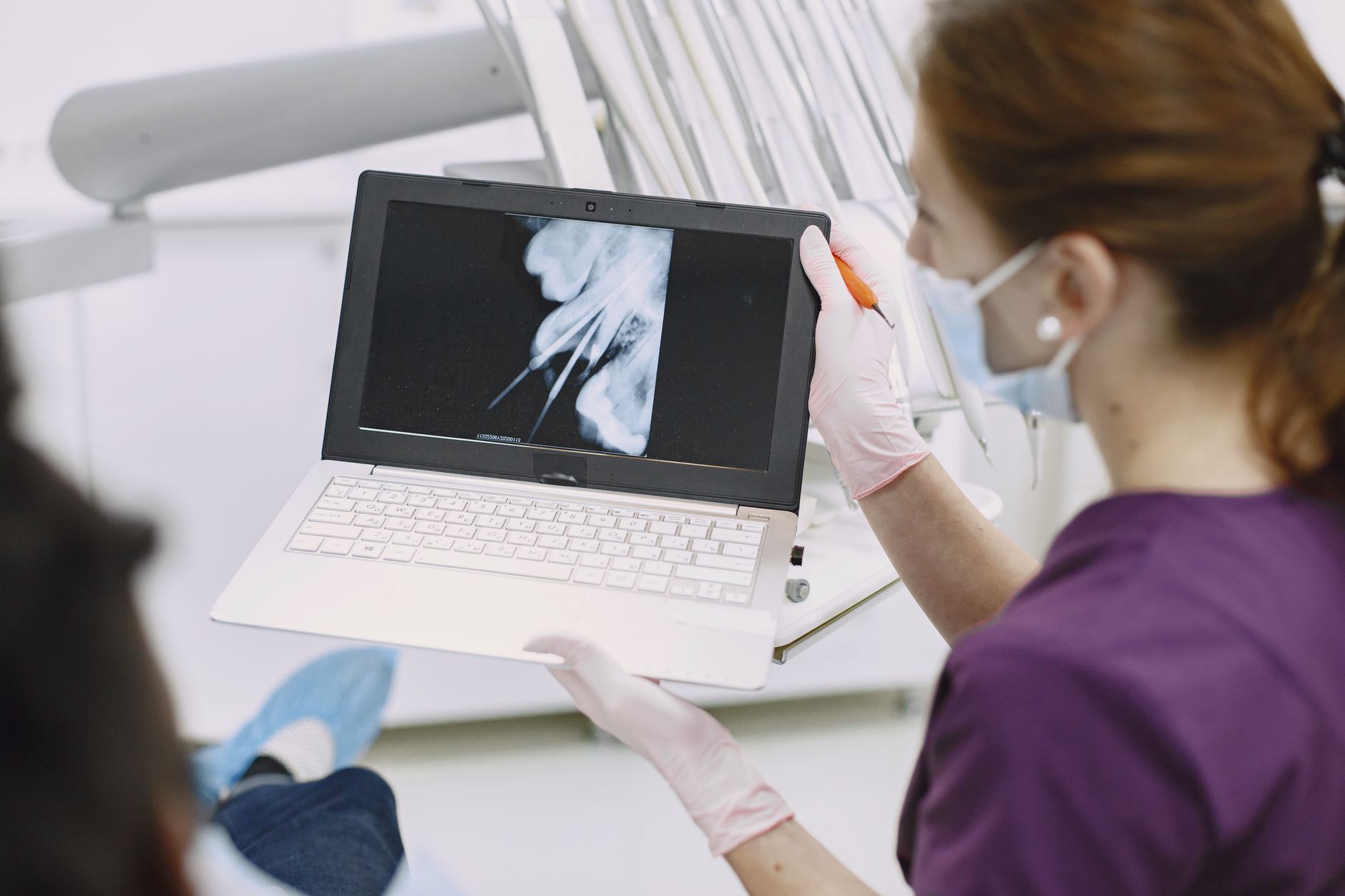
AI-powered diagnostic tools can analyse symptoms, medical images, and patient data to suggest probable diagnoses and appropriate treatment pathways. A health worker in a remote village clinic can now photograph a skin condition, retinal image, or X-ray, and receive immediate analysis from an AI system trained on millions of similar cases.
Putting Protocols in Every Pocket
The smartphone revolution has been crucial to this transformation. With over 750 million smartphone users in India, mobile devices have become the delivery platform for AI healthcare tools. Health workers can now access:
- Clinical decision support systems that guide them through standardised treatment protocols
- Drug interaction checkers and dosage calculators that reduce medication errors
- Patient triage tools that help prioritise cases based on severity
- Language translation features that overcome communication barriers in multilingual India
- Telemedicine platforms connecting frontline workers with specialist doctors in real-time
These pocket-sized tools effectively bring institutional knowledge and specialist expertise to every point of care, ensuring patients receive evidence-based treatment regardless of their location.
Real-World Applications Saving Lives
Several AI healthcare initiatives are already making measurable impacts across India. Diabetic retinopathy screening programmes use AI to analyse retinal photographs, detecting early signs of blindness in diabetes patients at primary health centres. Tuberculosis detection tools help identify cases earlier through AI analysis of chest X-rays, critical in a country that accounts for over a quarter of global TB cases.
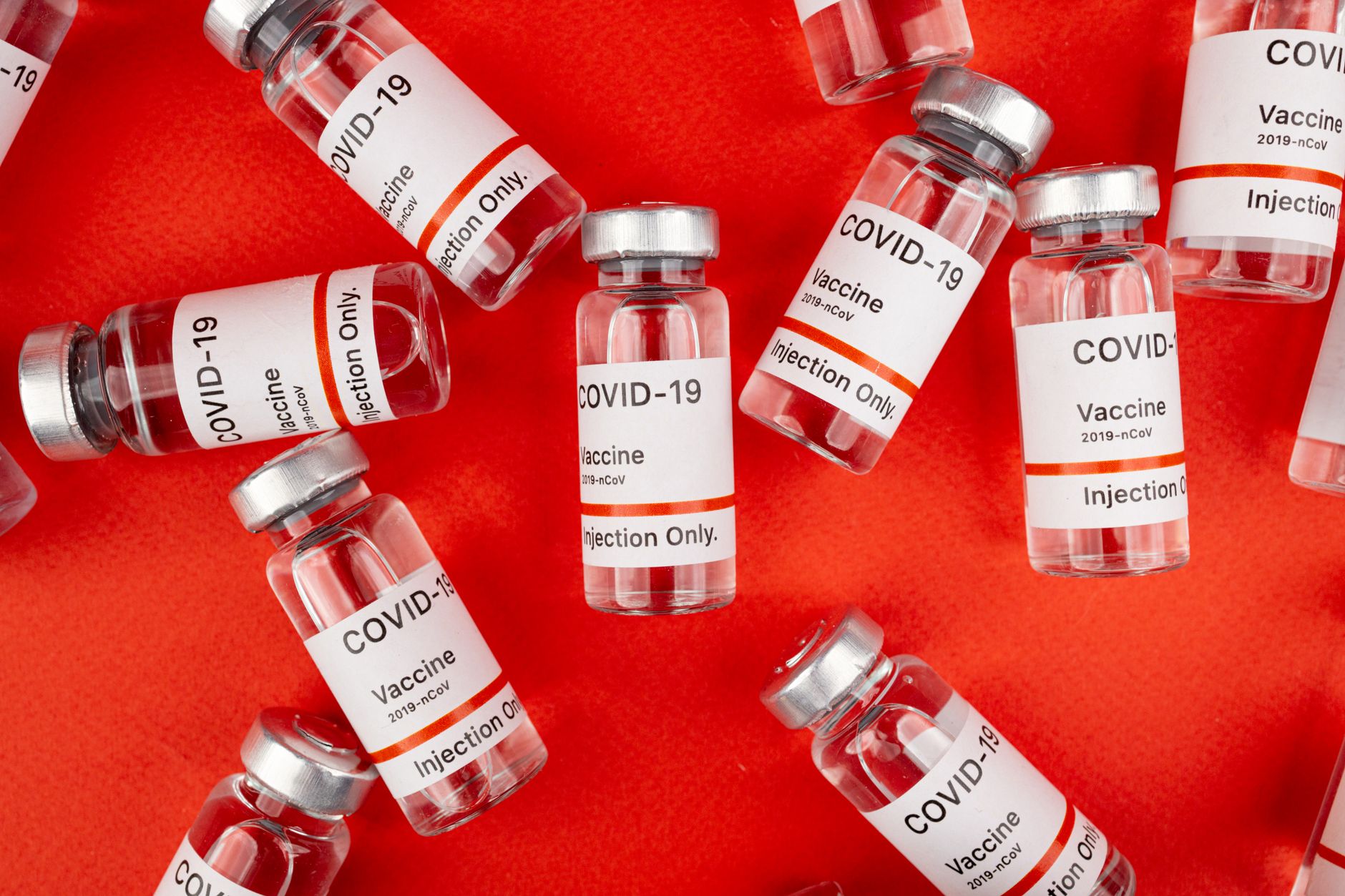
In maternal and child health, AI chatbots provide prenatal care guidance to expectant mothers in their local languages, while alerting health workers to high-risk pregnancies requiring immediate attention. During the COVID-19 pandemic, AI triage tools helped overwhelmed healthcare systems prioritise patients and allocate limited resources more effectively.
Challenges and Considerations
Despite the promise, significant challenges remain. Internet connectivity in rural areas can be unreliable, though offline-capable AI applications are being developed. Digital literacy among health workers varies, requiring comprehensive training programmes. Data privacy and security concerns must be addressed, particularly when handling sensitive health information.
There's also the risk of algorithmic bias if AI systems are trained predominantly on data from urban hospitals or specific populations. Ensuring these tools work accurately across India's diverse demographics requires inclusive data collection and rigorous validation.
The Road Ahead
The integration of AI into India's healthcare system represents a shift from aspiring for universal access to actually achieving it. By democratising medical knowledge and putting clinical protocols within reach of every health worker, AI is helping to level the playing field between urban and rural healthcare.
Government initiatives, private sector innovation, and international partnerships are all contributing to this transformation. As technology improves and adoption increases, AI could help India not just address its healthcare challenges but become a model for other developing nations facing similar constraints.
The vision of "protocol in every pocket" is steadily becoming reality, promising a future where quality healthcare is determined not by geography or economic status, but by the ingenuity of technology deployed in service of universal health.
This article is for general informational purposes only and does not constitute medical advice. Always consult qualified healthcare professionals for diagnosis and treatment decisions. Healthcare AI tools should be used as decision-support aids, not replacements for professional medical judgment.