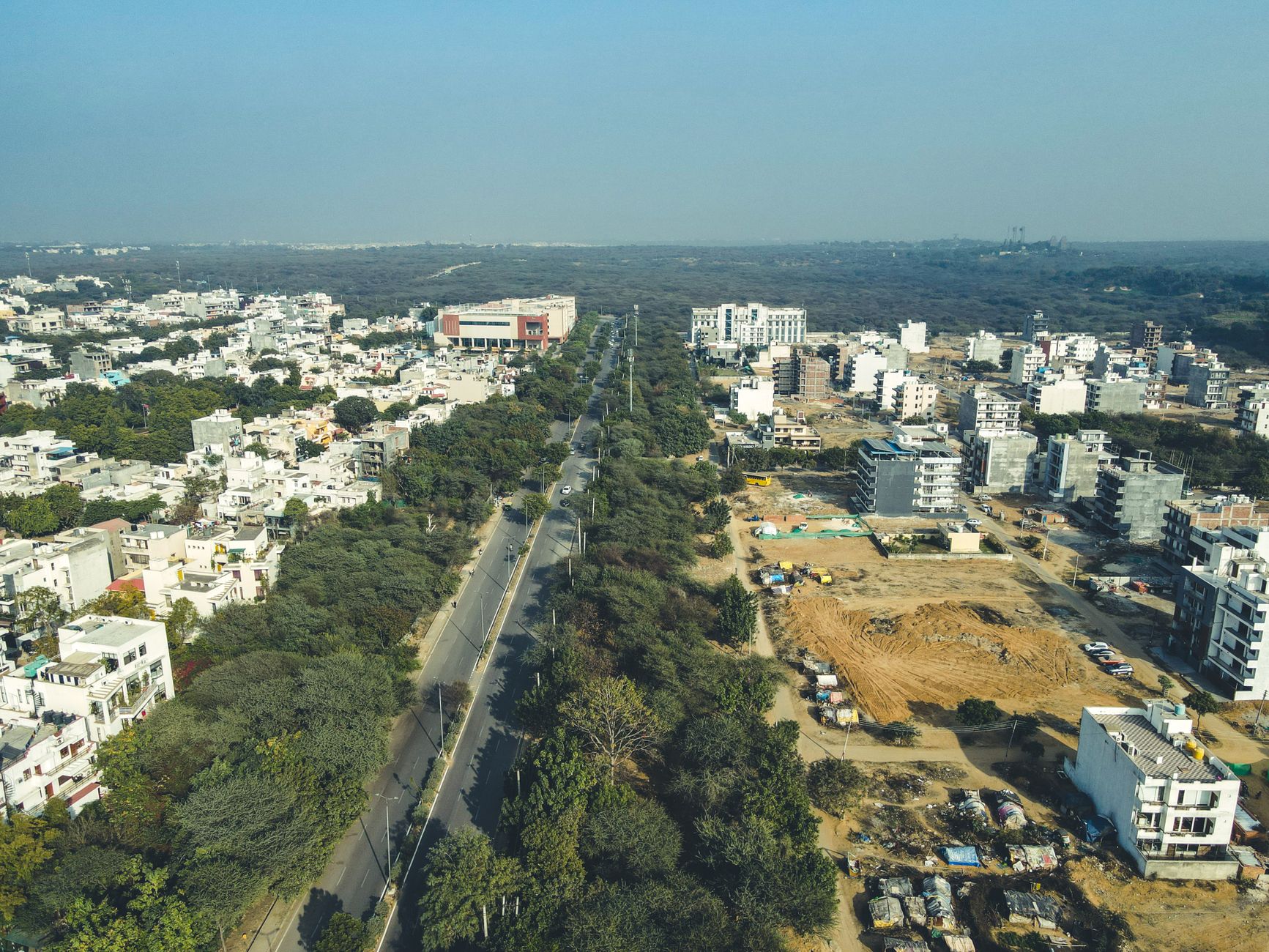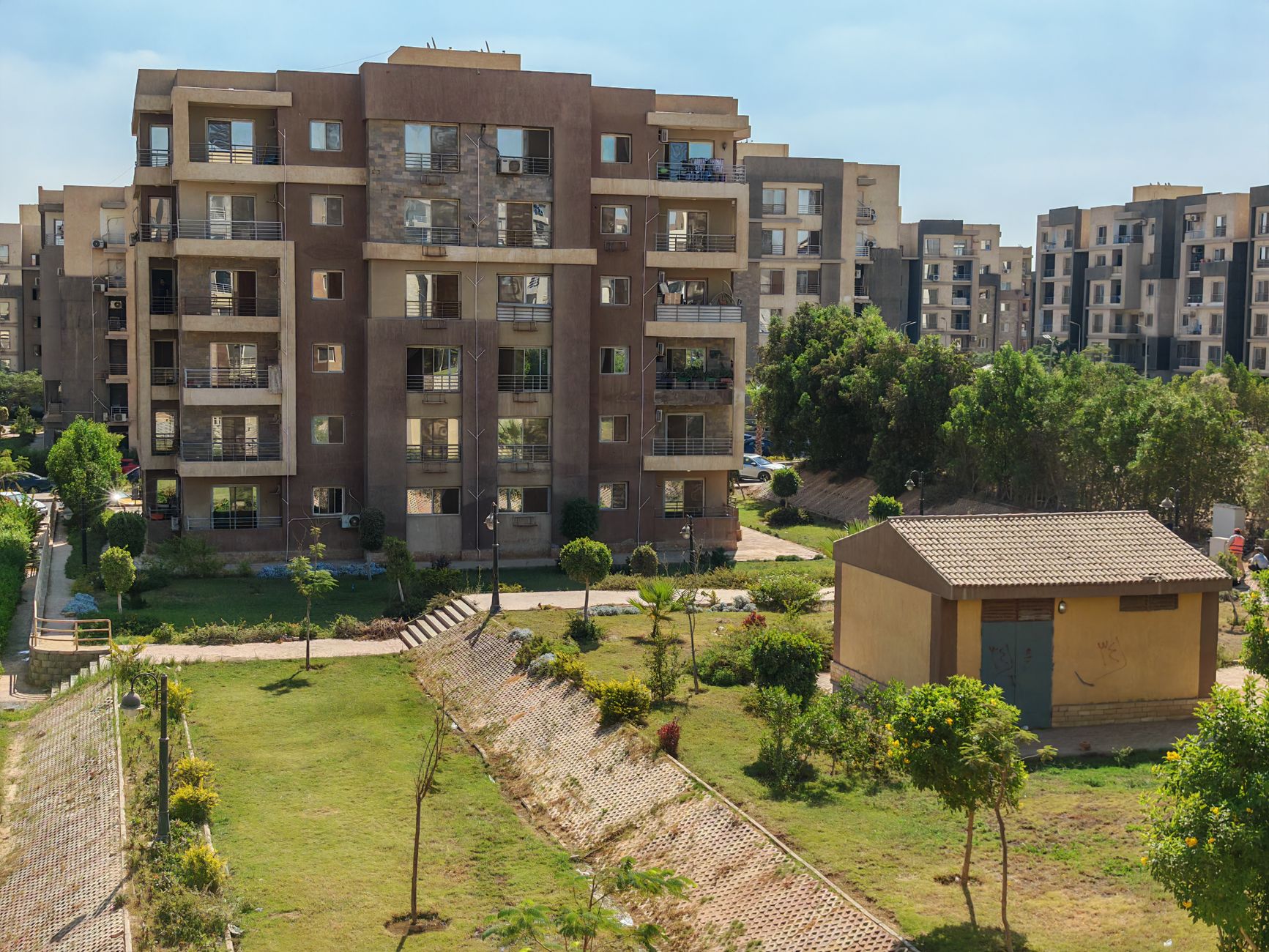
India's housing market is experiencing a fundamental transformation that could reshape home ownership dreams for millions. Recent data reveals a concerning divergence: while premium housing inventory has surged by 43 percent, affordable housing stock continues to shrink, creating a widening gap between market supply and the needs of average homebuyers.
The Great Housing Divide
The real estate sector has traditionally catered to diverse income segments, but developers are increasingly pivoting toward luxury and premium projects. This strategic shift is driven by higher profit margins, faster sales velocity in the premium segment, and improved purchasing power among affluent buyers. Metropolitan cities like Mumbai, Bangalore, Delhi-NCR, and Pune are witnessing a pronounced shift toward high-value properties priced above Rs 1.5 crore.
Meanwhile, homes priced below Rs 45 lakh, which constitute the affordable housing category under government schemes, are becoming harder to find. This segment once dominated new launches, particularly in suburban and peripheral areas, but now represents a diminishing share of overall inventory.
Why Developers Are Moving Upmarket
Several factors explain this strategic reorientation. Land costs in urban centers have escalated dramatically, making it financially unviable for developers to offer affordable units while maintaining reasonable profit margins. Construction material prices, labor costs, and regulatory compliance expenses have all increased, further squeezing margins on budget projects.
Premium projects also offer developers better cash flow. Affluent buyers typically make larger down payments and are less dependent on loan approvals, reducing project financing risks. Additionally, luxury developments command premium pricing per square foot, allowing developers to generate higher returns on similar land parcels.
The pandemic accelerated this trend as higher-income professionals, benefiting from remote work savings and stock market gains, upgraded their homes. Demand for larger apartments with amenities like home offices, private terraces, and recreational facilities surged, encouraging developers to focus on this lucrative segment.
Impact on First-Time Homebuyers
The affordable housing shortage creates significant challenges for first-time buyers and middle-income families. With fewer options in the budget segment, aspiring homeowners face difficult choices: stretching their finances beyond comfortable limits, compromising on location by moving to distant suburbs, or postponing homeownership altogether.
This trend also undermines the government's Housing for All vision, which aims to provide adequate shelter to every Indian family. Despite incentives like tax benefits under Section 80-IBA for developers and credit-linked subsidies for buyers under PMAY (Pradhan Mantri Awas Yojana), market forces are pulling developers away from affordable projects.
Young professionals entering the housing market find themselves priced out of desirable locations. The dream of owning a home near workplace hubs is increasingly distant, forcing longer commutes and impacting quality of life.
Regional Variations and Opportunities
The affordable housing crisis is not uniform across India. Tier-2 and tier-3 cities still offer relatively better options in the budget segment, as land costs remain manageable. Cities like Indore, Surat, Lucknow, and Coimbatore continue to see affordable project launches, though even these markets are gradually tilting toward mid-range developments.
Some developers and housing finance companies are exploring alternative models like rent-to-own schemes, compact housing formats, and projects on the urban periphery to serve budget-conscious buyers. Government initiatives focusing on developing affordable housing zones in satellite towns also provide some relief.
Looking Ahead
The housing market's premium tilt appears sustainable in the short to medium term, supported by India's growing population of high-net-worth individuals and upper-middle-class professionals. However, this leaves a substantial population segment underserved, potentially creating long-term social and economic implications.
Policy interventions may become necessary to rebalance the market. Enhanced incentives for affordable housing developers, expedited approvals for budget projects, and innovative financing solutions could help reverse this trend. Without corrective measures, the gap between housing aspirations and availability for average Indians will likely widen further.
For prospective homebuyers in the budget segment, patience and thorough market research remain essential. Exploring emerging locations, considering resale properties, and staying informed about government schemes may offer viable pathways to homeownership despite the challenging market dynamics.
This article provides general information about real estate market trends and should not be considered as investment advice. Readers should conduct thorough due diligence and consult qualified real estate and financial advisors before making property purchase decisions.