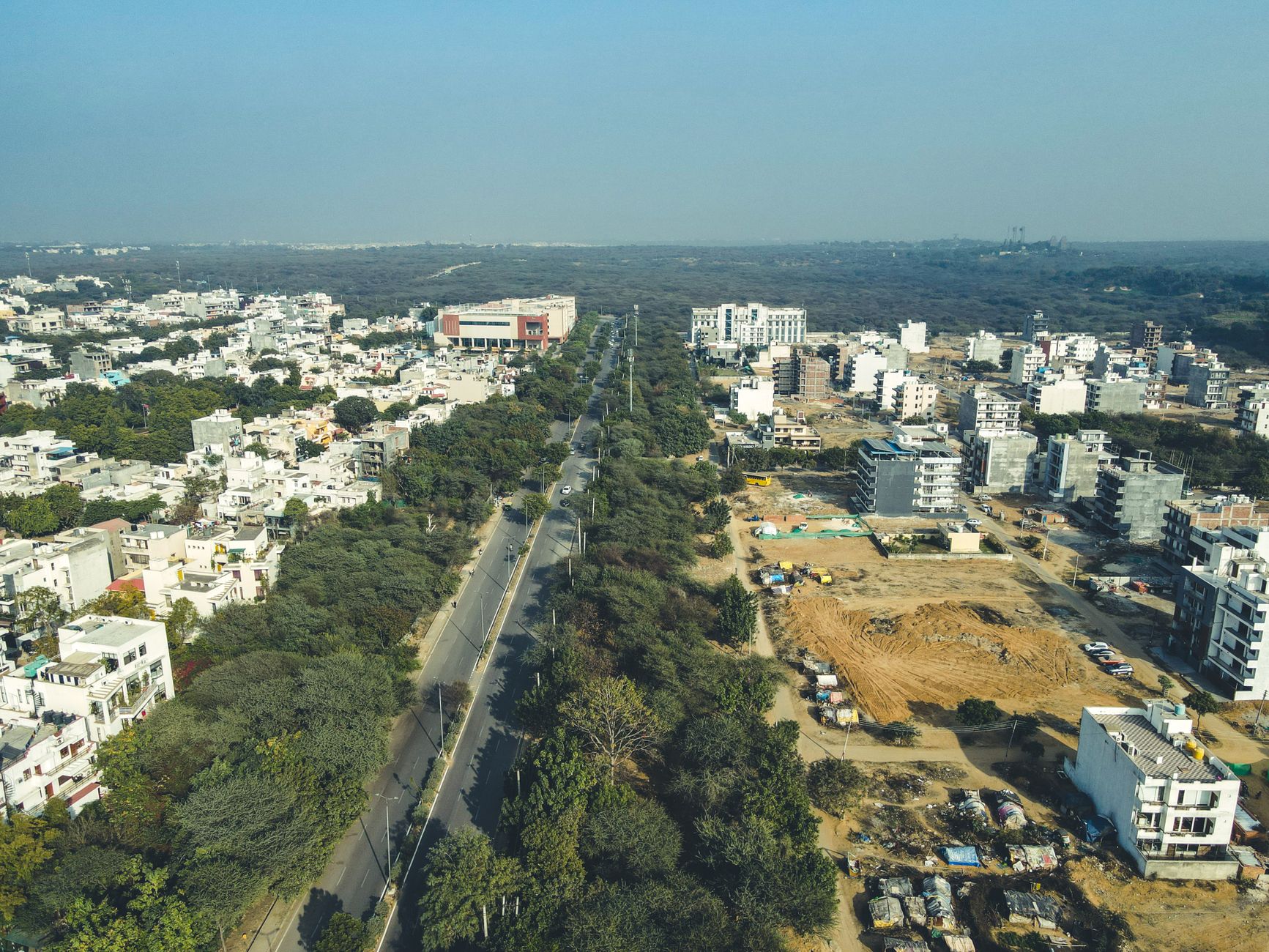
The Adani family's emergence at the pinnacle of India's real estate wealth rankings marks a significant milestone in the group's business evolution. With property holdings valued at ₹90,400 crore, the conglomerate has demonstrated its ability to diversify successfully beyond its traditional strongholds in ports, energy, and infrastructure sectors.
Understanding the Real Estate Rich List
The real estate rich list typically evaluates individuals and families based on their direct property holdings, real estate development ventures, and land banks. Unlike general wealth rankings that consider all assets, this specific list focuses exclusively on real estate-related wealth, including residential projects, commercial developments, land acquisitions, and property investment portfolios.
For the Adani family, this substantial valuation encompasses various real estate ventures across multiple cities, including residential townships, commercial complexes, and integrated mixed-use developments. The group has been strategically acquiring land parcels in prime locations and developing projects that cater to both premium and mid-segment markets.
Strategic Entry into Real Estate
The Adani Group's foray into real estate represents a calculated diversification strategy. While the conglomerate built its reputation through ports, power generation, and logistics, real estate offers several advantages. Property development provides steady long-term returns, helps optimize land assets already held for industrial purposes, and creates synergies with the group's existing infrastructure capabilities.
The family's real estate portfolio likely includes properties held through various group entities, personal holdings, and dedicated real estate development platforms. This integrated approach allows the Adanis to leverage their existing land banks near ports and industrial zones while also developing standalone residential and commercial projects in metropolitan areas.
Key Components of Real Estate Wealth
Several factors contribute to such substantial real estate valuations. Land appreciation in Indian metros and tier-2 cities has been significant over recent years, particularly for well-located parcels. The Adani family's holdings likely include premium land in cities like Mumbai, Ahmedabad, Bengaluru, and Delhi NCR, where property values have witnessed steady growth.
Development projects in progress also add to the wealth calculation. Upcoming residential townships, commercial office spaces, retail destinations, and mixed-use developments contribute to the overall valuation based on their projected completion values and market potential.
Comparison with Traditional Real Estate Families
India's real estate sector has traditionally been dominated by families like the Ruias, Hiranandanis, Oberois, and others who built their empires exclusively through property development. The Adani family's entry into the top position represents a shift in the landscape, showcasing how diversified industrial groups are increasingly viewing real estate as a core business vertical rather than just an ancillary activity.
This trend reflects broader changes in Indian business, where conglomerates leverage their financial strength, land holdings, and execution capabilities to compete with traditional developers. The integration of technology, sustainability practices, and modern amenities in such projects often gives these new entrants a competitive edge.
Market Implications
The concentration of such significant real estate wealth has several implications for the market. Large-scale developers can weather market cycles more effectively, invest in long-term projects, and set quality benchmarks. However, it also raises questions about market competition and the ability of smaller developers to compete for prime land and projects.
For homebuyers and investors, the entry of established business houses into real estate often signals improved construction quality, timely delivery, and better corporate governance. These factors have become increasingly important considerations in India's real estate market, which has historically faced challenges related to project delays and transparency.
Future Outlook
The real estate sector continues to evolve with changing consumer preferences, regulatory reforms like RERA, and increasing emphasis on sustainable development. The Adani family's substantial presence in this space suggests confidence in the sector's long-term growth prospects despite cyclical challenges.
As urbanization continues and India's economy expands, real estate wealth is likely to grow further, though distribution among various players may shift based on execution capabilities, market conditions, and strategic positioning.
This article is for general informational purposes only and does not constitute investment advice. Real estate investments carry market risks, and valuations mentioned are based on publicly available information and may vary based on market conditions and assessment methodologies.