Air conditioners have become indispensable in Indian homes, particularly during the scorching summer months. However, recent events have brought to light the potential dangers of poorly maintained or faulty AC units. Understanding how to prevent such tragedies and recognizing warning signs can save lives and property.
Understanding AC Fire and Blast Risks
Air conditioning units operate using electrical components, refrigerants, and compressors that work under pressure. When these systems malfunction or are improperly maintained, they can pose serious fire and explosion risks. The primary causes include electrical short circuits, refrigerant leaks, compressor failures, and accumulation of dust or debris within the unit.
Older air conditioners, particularly those over ten years old, carry higher risks due to worn-out components, outdated wiring, and degraded insulation. Additionally, units that have undergone multiple repairs or use substandard replacement parts may have compromised safety features.
Common Warning Signs to Watch For
Being vigilant about your AC's performance can help you identify potential hazards before they escalate:
- Unusual burning smells or acrid odours emanating from the unit
- Sparking or visible smoke from the indoor or outdoor unit
- Strange noises such as buzzing, clicking, or grinding sounds
- Frequent circuit breaker trips when the AC is running
- Hot spots on the unit's surface or surrounding walls
- Water leakage or excessive condensation around the unit
- Reduced cooling efficiency despite normal operation
- Flickering lights when the AC starts or runs
Any of these symptoms warrant immediate attention from a qualified technician.
Essential Maintenance Practices
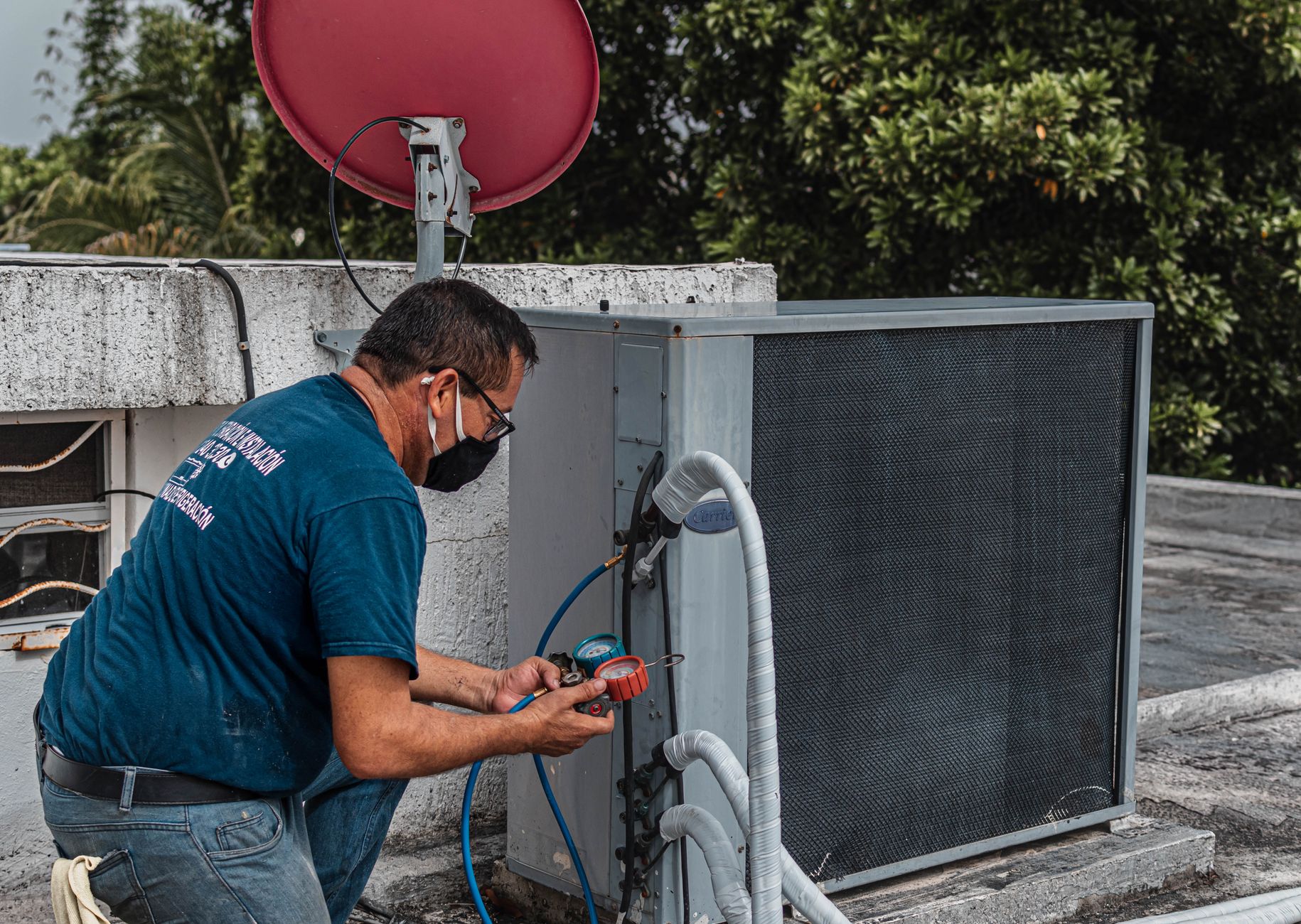
Regular maintenance is your first line of defence against AC-related accidents. Schedule professional servicing at least twice a year—before and after the peak summer season. During these services, technicians should inspect electrical connections, check refrigerant levels, clean filters and coils, examine the compressor, and test safety mechanisms.
Between professional services, homeowners should clean or replace air filters monthly during heavy-use periods. Keep the outdoor unit free from debris, leaves, and vegetation that might obstruct airflow. Ensure adequate clearance around both indoor and outdoor units for proper ventilation.
Electrical Safety Measures
Electrical issues are among the leading causes of AC fires. Always use a dedicated circuit for your air conditioner, avoiding the use of extension cords or power strips. Ensure the voltage stabilizer, if used, is appropriately rated for your unit's capacity.
Have a qualified electrician inspect your home's wiring, especially if you live in an older building or have recently installed a high-capacity AC unit. Loose connections, corroded wires, or inadequate circuit breakers can all contribute to dangerous situations.
Installation and Repair Best Practices
Proper installation sets the foundation for safe AC operation. Always hire certified technicians from reputable companies for installation work. Verify that installers follow manufacturer specifications regarding placement, electrical connections, and ventilation requirements.
When repairs become necessary, insist on genuine spare parts rather than cheaper alternatives. Counterfeit or substandard components may not meet safety standards and could create hazards. Keep records of all maintenance and repairs for reference.
When to Replace Your AC Unit
Despite best maintenance efforts, air conditioners have finite lifespans. Consider replacement if your unit is over twelve years old, requires frequent repairs, uses outdated refrigerants like R-22, or shows signs of serious component degradation. Modern units offer improved safety features, energy efficiency, and environmental benefits.
Emergency Preparedness
Every household with an air conditioner should have a fire safety plan. Install smoke detectors near AC units and test them regularly. Keep a working fire extinguisher accessible and ensure family members know how to use it. Know the location of your electrical main switch to cut power in emergencies.
If you smell burning or see smoke from your AC, immediately turn off the unit at the thermostat and circuit breaker. Evacuate if necessary and call emergency services. Never attempt to investigate or repair a smoking or sparking unit yourself.
Creating a Safety Checklist
Develop a monthly inspection routine that includes visual checks of your AC unit for damage, listening for unusual sounds during operation, monitoring electricity bills for unexpected increases that might indicate efficiency problems, and ensuring proper airflow from vents.
This article provides general information about air conditioner safety and maintenance. For specific technical issues, electrical work, or safety concerns, always consult qualified professionals such as certified HVAC technicians or licensed electricians.